

Cart
0


*Images are for reference only
×



Share this product
4.9
★
★
★
★
☆
Based on 8 reviews
We deliver within 7–10 working days.
Vendor: Jiffy Plants
Couldn't load pickup availability
100% Live & Healthy Plant
Secure payment
Healthy Roots Guarantee 🌱
Guarantee safe checkout


Red Vein Aglaonema - Rare
Rs. 475.00

Plant size: Single Plant | Pot Included | Secure Packing
The Red Vein Aglaonema (Chinese Evergreen) is a beautiful and relatively low-maintenance houseplant.Here is a guide to Red Vein Aglaonema's care:
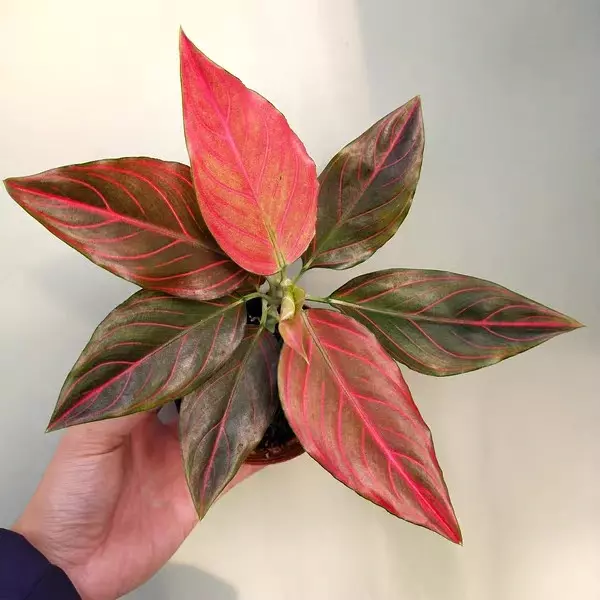 Red Vein Aglaonema
 Light
- Bright, Indirect Light is Best: This is ideal for maintaining the vibrant red coloration. A location near a north or east-facing window is often perfect.
- Can Tolerate Lower Light: Aglaonemas can adapt to low light, but the red colors may fade and growth will slow down.
- Avoid Direct Sun: Prolonged exposure to intense direct sunlight, especially afternoon sun, can scorch the leaves.
Water
- Water When Dry: Allow about 50% (or the top 1-2 inches) of the soil volume to dry out between waterings.
- Water Thoroughly: Water slowly and deeply until you see water draining from the bottom hole. Discard any excess water from the saucer.
- Avoid Overwatering: Aglaonemas are sensitive to soggy soil, which can lead to root rot. It's generally better to underwater slightly than to overwater.
 Red Vein Aglaonema
 Humidity & Temperature
- Temperature: They prefer warm temperatures, ideally between 65∘F and 80∘F (18∘C and 27∘C).
- Avoid Cold Drafts: Keep the plant away from cold windows, doors, and air conditioning/heating vents. Temperatures below 60∘F (15∘C) can be damaging.
-
Humidity: While they tolerate average household humidity, they will thrive in higher humidity. To increase it, you can:
- Place the pot on a pebble tray with water (ensure the pot's bottom is not sitting in the water).
- Use a small space humidifier nearby.
- Mist the leaves occasionally, though a humidifier or pebble tray is more effective.
Soil & Fertilizer
- Soil: Use a well-draining, loose potting mix. A mix designed for houseplants, often peat-based with added perlite or pumice for drainage, works well. Good drainage is crucial to prevent root rot.
- Fertilizer: Feed your plant with a balanced, general-purpose houseplant fertilizer (such as a 20-20-20) once a month during the spring and summer growing season.
- Dilution: Always dilute the fertilizer to half-strength to avoid burning the roots.
- Winter: Reduce or stop fertilizing during the fall and winter months when growth naturally slows.
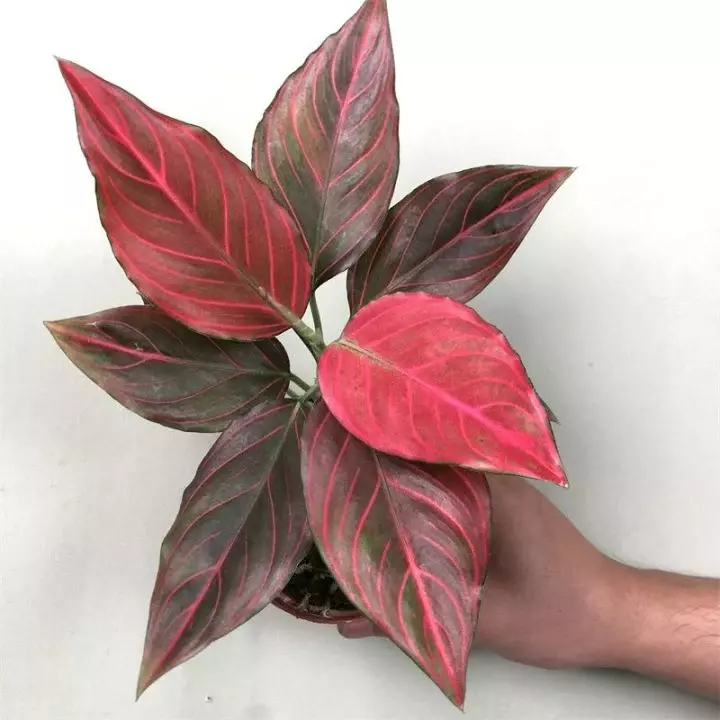 Red Vein Aglaonema
 Other Tips
- Repotting: Repot every 2-3 years, or when the plant becomes root-bound (roots are tightly packed or growing out of the drainage holes). Choose a pot only one size larger than the current one.
- Cleaning: Wipe the leaves occasionally with a soft, damp cloth to remove dust and help the plant photosynthesize efficiently.
- Toxicity: Aglaonemas are toxic if ingested, as they contain calcium oxalate crystals. Keep them out of reach of children and pets.
Customer Reviews for Jiffy Plants
S
I received all the plants that I ordered in excellent condition. The packaging was perfect and the plants arrived as if I brought them from a nursery personally.
S
All the plants i recieved were in a very good condition and a recieved them wothin 2 days and the price was also good
C
Received the plants in very good condition, thank you so much.
N
Excellent service and products.
S
Had ordered ten plants in coco peat seeding capsules. It was delivered well packed and all the plants were healthy. Foliage.in platform friends were quick and very helpful with my queries. Appreciate the quality of plants and HR
J
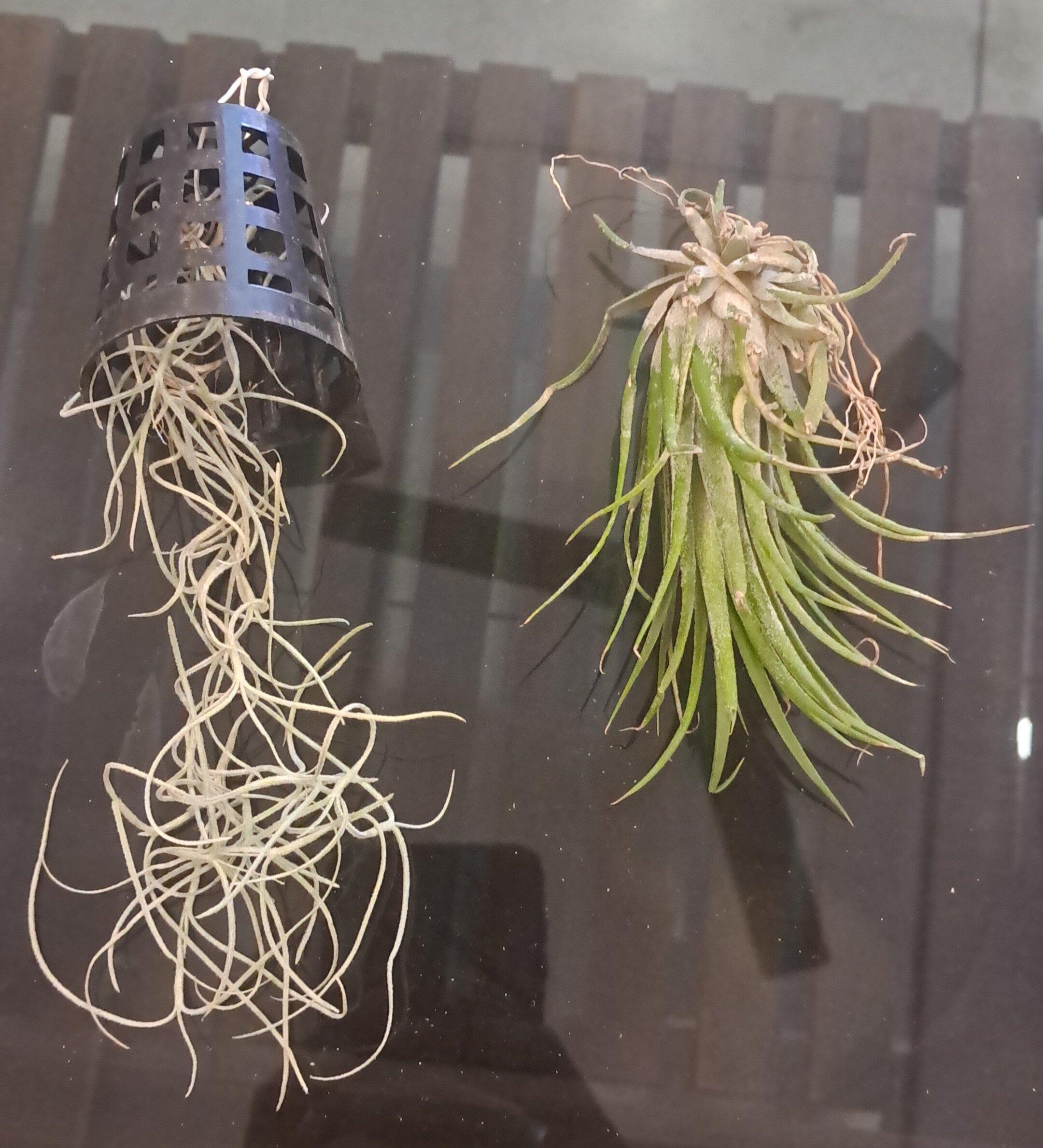
I bought Spanish moss and Tillandsia from Jiffy Plants and both came in good condition with good packing.
R
Plants are very healthy. Good packing too.
T
Excellent service and good product. Plant arrived healthy, well-packaged, and already budding. Very happy with my purchase


