

Cart
0


*Images are for reference only
×



Share this product
4.9
★
★
★
★
☆
Based on 7 reviews
We deliver within 7–10 working days.
Vendor: Jiffy Plants
Couldn't load pickup availability
100% Live & Healthy Plant
Secure payment
Healthy Roots Guarantee 🌱
Guarantee safe checkout


Philodendron 69686
Rs. 749.00

Selling Size : Third Image | Pot Included | Secure Packing | Free Shipping
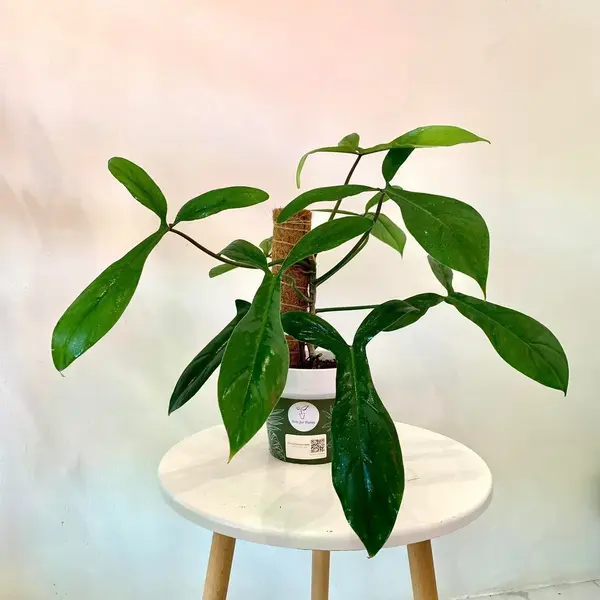
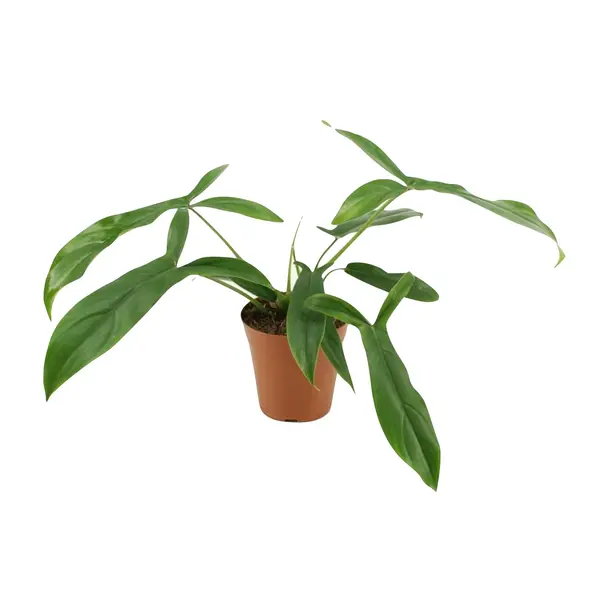
The Philodendron 69686 is a fascinating and relatively rare Philodendron, known for its unique, tri-lobed, glossy green leaves. It's thought to be a natural hybrid. While it can tolerate some neglect, providing optimal conditions will help it thrive and display its striking foliage.
 Philodendron 69686
 Here's a comprehensive guide to caring for your Philodendron 69686:
1. Light:- Bright, indirect sunlight is ideal. This mimics its natural habitat where it grows under a tree canopy.
- Avoid direct sunlight, especially harsh afternoon sun, as it can scorch the leaves, leading to yellowing or brown spots.
- Medium light can be tolerated, but growth might be slower and leaves less vibrant.
- Good spots: Near an east or north-facing window, or a few feet away from a south or west-facing window where light is filtered by sheer curtains.
- Rotate your plant periodically to ensure even growth.
- Water when the top 1-2 inches (2.5-5 cm) of soil are dry to the touch. This usually translates to about once a week in an average indoor environment, but it can vary based on temperature, humidity, and light.
- Ensure excellent drainage. Philodendrons are very susceptible to root rot if they sit in soggy soil. Always use a pot with drainage holes. If using a decorative cachepot without drainage, place pebbles at the bottom to keep the plant above any standing water.
- Allow all excess water to drain out.
- Reduce watering in winter as the plant's growth slows.
- Yellowing leaves often indicate overwatering. If this happens, reduce your watering frequency.
- Philodendron 69686 thrives in higher humidity levels (60-80%), typical of its tropical origin.
- It can survive in average household humidity, but it will appreciate efforts to increase humidity.
-
Ways to increase humidity:
- Mist the leaves regularly (daily is good).
- Use a pebble tray filled with water beneath the pot (ensure the pot isn't sitting in the water).
- Place a humidifier nearby.
- Group it with other plants, as they release moisture into the air.
- It prefers normal to warm indoor temperatures, ideally between 18∘C and 28∘C (65∘F and 82∘F).
- Avoid temperatures below 13∘C (55∘F), cold drafts, and sudden temperature changes.
 Philodendron 69686 5. Soil and Potting:
 - Use a loose, well-draining, and airy potting mix rich in organic matter.
- A good aroid mix often consists of:
- Coco coir/peat moss (30-40% for moisture retention)
- Perlite/pumice (20-30% for drainage and aeration)
- Orchid bark (20-30% for airflow)
- Vermicompost/compost (10-20% for slow-release nutrients)
- Optional: A handful of horticultural charcoal.
- Repotting: Repot when the plant becomes root-bound, usually every 1-2 years. Move it to a pot only one size larger. Repotting can be done at any time of year except during its short rest period.
- Philodendron 69686 is considered a heavy feeder during its active growing season (spring through fall).
- Apply a balanced liquid fertilizer (e.g., 20-20-20 or 10-10-10) diluted to half strength once every 2-4 weeks.
- It's better to fertilize more frequently at half strength than to apply one strong dose.
- Ensure the soil is moist before fertilizing to avoid root burn.
- Reduce or pause fertilization in winter when growth slows.
- This Philodendron is a climbing hemi-epiphyte, meaning it appreciates something to climb on.
- Provide a moss pole, tree bark, or other sturdy support for its aerial roots to attach to. This encourages larger, more mature leaves and a healthier growth habit.
- Use sharp pruners or scissors to control the size and shape of the plant.
- Remove any yellowing, damaged, or leggy leaves to encourage new, healthy growth.
- Philodendron 69686 is generally resistant to serious pest and disease problems.
- Regularly inspect your plant (especially the undersides of leaves) for common houseplant pests like spider mites, thrips, and mealybugs.
- Treat any infestations early with insecticidal soap or neem oil.
- Root rot is the most common issue, caused by overwatering or poorly draining soil.
 Philodendron 69686 10. Toxicity:
 - Like many Philodendrons, this plant contains calcium oxalate crystals and is toxic to pets and humans if ingested. Keep it out of reach of curious animals and children.
Customer Reviews for Jiffy Plants
S
All the plants i recieved were in a very good condition and a recieved them wothin 2 days and the price was also good
C
Received the plants in very good condition, thank you so much.
N
Excellent service and products.
S
Had ordered ten plants in coco peat seeding capsules. It was delivered well packed and all the plants were healthy. Foliage.in platform friends were quick and very helpful with my queries. Appreciate the quality of plants and HR
J
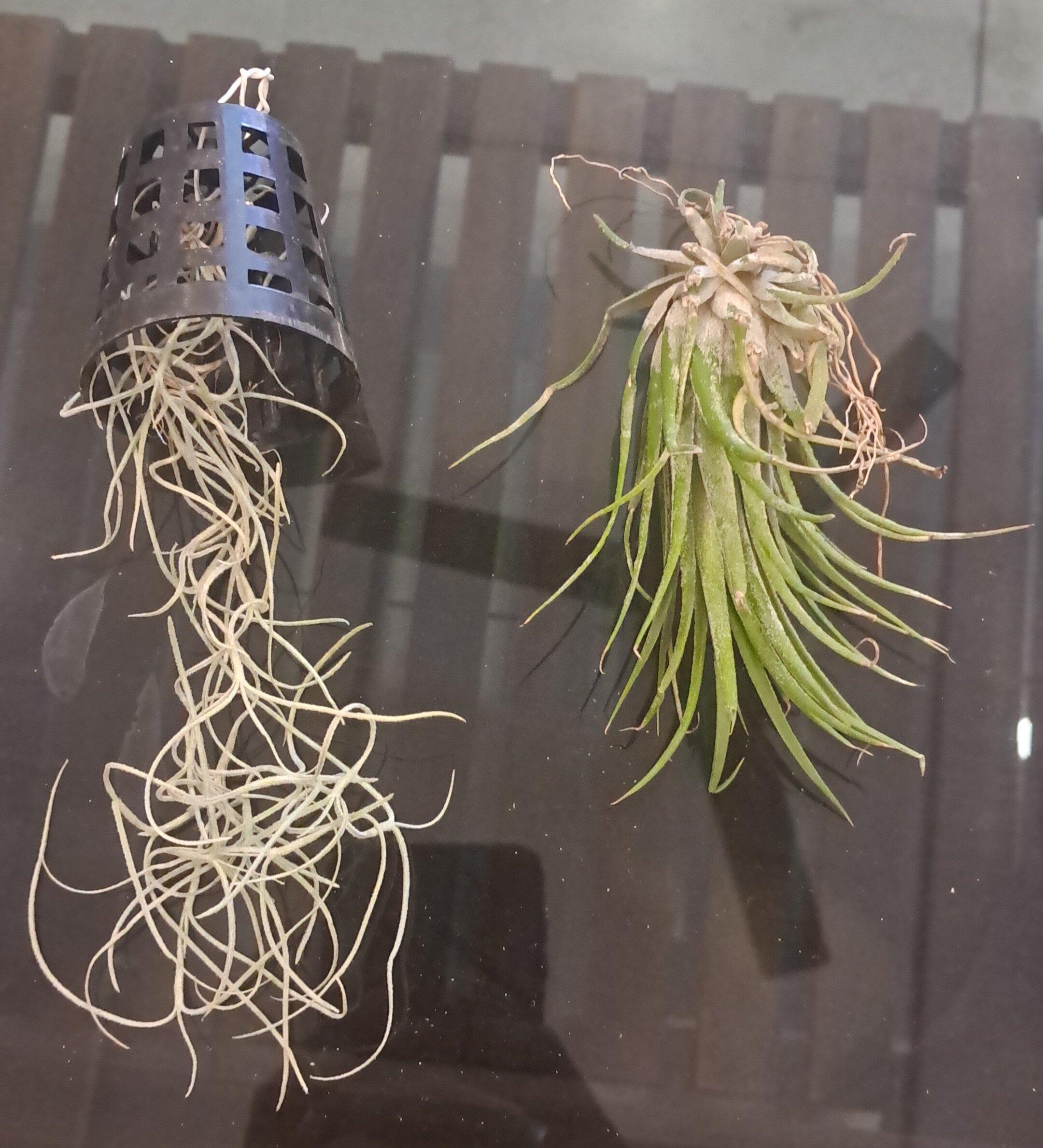
I bought Spanish moss and Tillandsia from Jiffy Plants and both came in good condition with good packing.
R
Plants are very healthy. Good packing too.
T
Excellent service and good product. Plant arrived healthy, well-packaged, and already budding. Very happy with my purchase


