

Cart
0


*Images are for reference only
×



Share this product
4.9
★
★
★
★
☆
Based on 7 reviews
We deliver within 7–10 working days.
Vendor: Jiffy Plants
Couldn't load pickup availability
100% Live & Healthy Plant
Secure payment
Healthy Roots Guarantee 🌱
Guarantee safe checkout


Philodendron Pink Birkin Plant
Rs. 1,199.00

Single plant| Pot included | Free Shipping | Secure Packing
Philodendron Pink Birkin Plant
 Philodendron Pink Birkin Plant
 Here’s a complete care guide for Philodendron Pink Birkin Plant🌸💚
🌿 Overview
-
Botanical Name: Philodendron ‘Pink Birkin’
-
Family: Araceae
-
Type: Hybrid tropical houseplant
-
Origin: Cultivar (likely from Philodendron erubescens)
-
Feature: Striking pink and cream variegation on dark green leaves
☀️ Light
-
Prefers bright, indirect light.
-
Too little light will fade the pink variegation, while too much direct sun can scorch leaves.
-
East or north-facing windows are ideal.
💧 Watering
-
Water when the top 3–4 cm of soil feels dry.
-
Keep soil slightly moist but never soggy.
-
Ensure good drainage — Pink Birkin dislikes “wet feet.”
-
In winter, reduce watering frequency.
🌡️ Temperature & Humidity
-
Ideal temperature: 18–30°C.
-
Avoid cold drafts and sudden temperature drops below 15°C.
-
Loves high humidity (60–80%).
-
Mist occasionally or use a pebble tray/humidifier for best leaf color and texture.
 Philodendron Pink Birkin Plant
 🌱 Soil
-
Use a loose, airy, well-draining mix.
-
Ideal mix:
🪴 1 part coco peat or peat moss
🪴 1 part perlite
🪴 1 part orchid bark or coco chips -
Avoid compacted soil — it causes root rot.
🌸 Fertilizer
-
Feed every 4–6 weeks during spring and summer with a balanced liquid fertilizer (half strength).
-
Stop feeding during winter when growth slows.
-
Avoid overfertilizing — it can burn roots and dull the pink color.
✂️ Pruning & Maintenance
-
Remove yellow or damaged leaves to encourage new growth.
-
Wipe leaves with a damp cloth to remove dust.
-
Rotate the plant regularly to maintain even variegation and shape.
🪴 Repotting
-
Repot every 1–2 years or when roots outgrow the pot.
-
Use a slightly larger pot with proper drainage holes.
-
Best time: Spring.
🧩 Propagation
-
Can be propagated from stem cuttings with nodes.
-
Root in water or moist soil under bright, indirect light.
 Philodendron Pink Birkin Plant
 🐛 Common Problems Philodendron Pink Birkin Plant
| Problem | Cause | Solution |
|---|---|---|
| Yellow leaves | Overwatering or poor drainage | Let soil dry and improve aeration |
| Brown edges | Low humidity or salt buildup | Increase humidity; flush soil occasionally |
| Faded pink color | Low light | Move to brighter, indirect light |
| Drooping leaves | Underwatering or temperature stress | Adjust watering or move to stable environment |
🌼 Extra Tips
-
Keep it away from AC vents or heaters.
-
Non-toxic if handled, but keep away from pets (mildly toxic if ingested).
-
The more stable and bright its environment, the richer its pink variegation becomes.
Customer Reviews for Jiffy Plants
S
All the plants i recieved were in a very good condition and a recieved them wothin 2 days and the price was also good
C
Received the plants in very good condition, thank you so much.
N
Excellent service and products.
S
Had ordered ten plants in coco peat seeding capsules. It was delivered well packed and all the plants were healthy. Foliage.in platform friends were quick and very helpful with my queries. Appreciate the quality of plants and HR
J
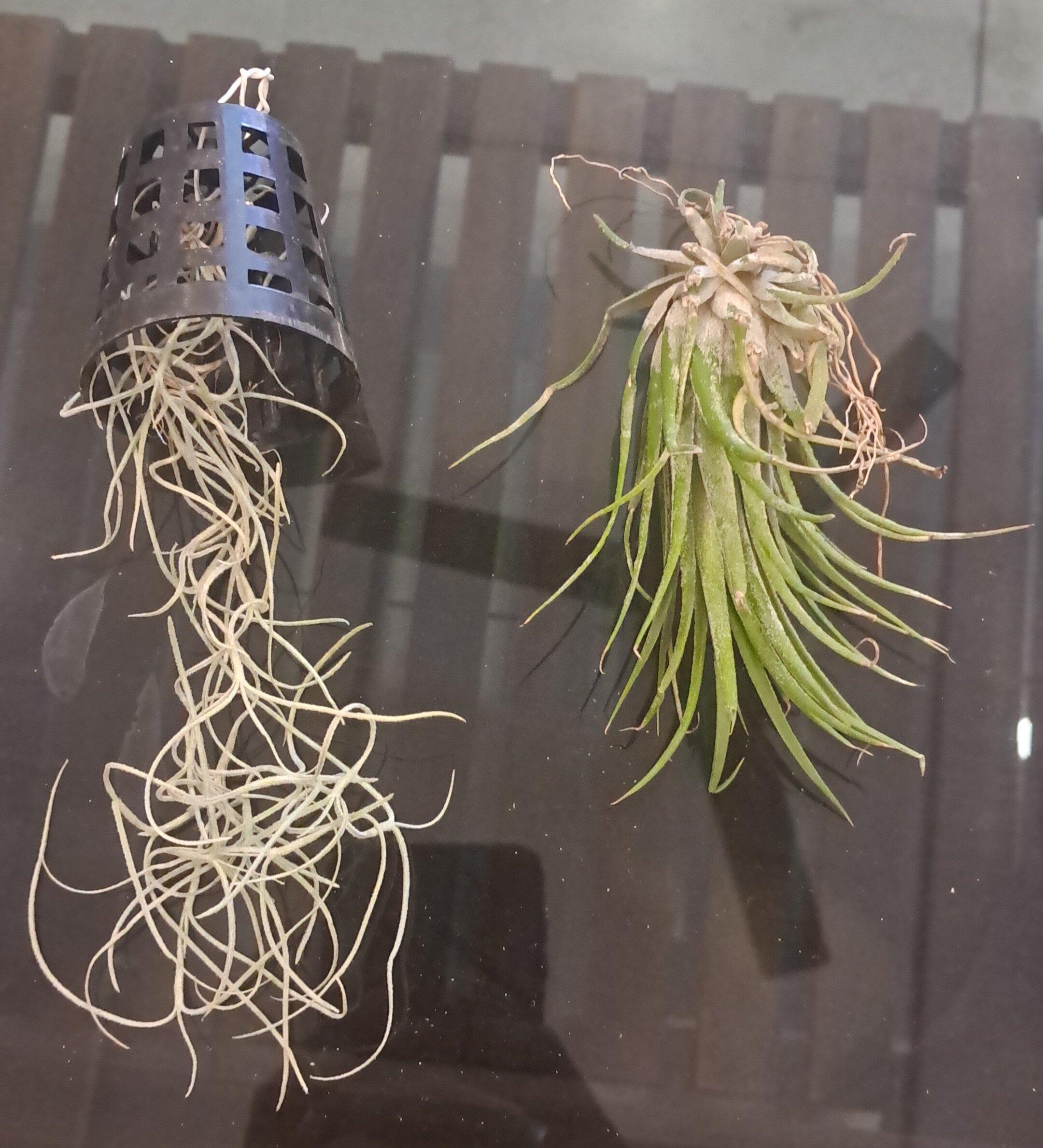
I bought Spanish moss and Tillandsia from Jiffy Plants and both came in good condition with good packing.
R
Plants are very healthy. Good packing too.
T
Excellent service and good product. Plant arrived healthy, well-packaged, and already budding. Very happy with my purchase


