

Cart
0


*Images are for reference only
×



Share this product
4.9
★
★
★
★
☆
Based on 8 reviews
We deliver within 7–10 working days.
Vendor: Jiffy Plants
Couldn't load pickup availability
100% Live & Healthy Plant
Secure payment
Healthy Roots Guarantee 🌱
Guarantee safe checkout


Philodendron Subhastatum
Rs. 149.00

Size: Single Plant | 2.5" Pot Included | Secure Packing
The Philodendron Subhastatum is a beautiful, easy-to-care-for houseplant, known for its green leaves with striking red undersides.
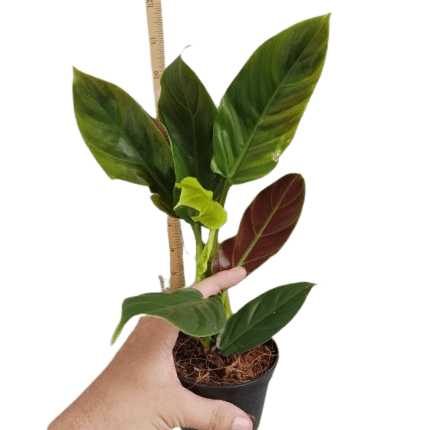 Philodendron Subhastatum
 Here's a comprehensive guide to Philodendron Subhastatum's care:
1. Light:- Bright, indirect light is ideal. This promotes faster growth and more vibrant leaf color, especially for any variegation.
- It can tolerate medium light conditions, but growth may be slower.
- Avoid direct sunlight, as it can scorch the leaves.
- Good locations include east or north-facing windows, or a spot near a south or west-facing window with a sheer curtain to filter the light.
- Allow the top 1-2 inches (2.5-5 cm) of soil to dry out between waterings. You can check this by sticking your finger into the soil.
- It prefers consistently moist soil but not wet or soggy. Overwatering can lead to root rot, which is a common issue for philodendrons.
- Reduce watering frequency during winter when the plant's growth slows.
- Ensure the pot has drainage holes to prevent water from sitting in the bottom.
- If your plant is drooping, it could be a sign of either over or underwatering, so always check the soil moisture.
- Philodendron Subhastatum appreciates average to high humidity, as it's native to tropical forests.
- Average household humidity is usually sufficient, but occasional misting can help leaves grow larger.
- Placing it near a humidifier or on a pebble tray with water can also boost humidity.
- Use a loose, well-draining potting mix that is rich in organic matter.
- A good mix might include:
- Potting soil (40%)
- Coco peat/peat moss (25-30%)
- Organic manure/vermicompost (25%)
- Perlite/pumice (5-20%)
- Charcoal chips (5%)
- A balanced acidic soil (pH 6-6.5) is beneficial.
- It's important that the soil drains well to prevent root rot.
- Philodendron Subhastatum thrives in warm temperatures, ideally between 18°C to 25°C (64-77°F).
- Avoid sudden temperature fluctuations.
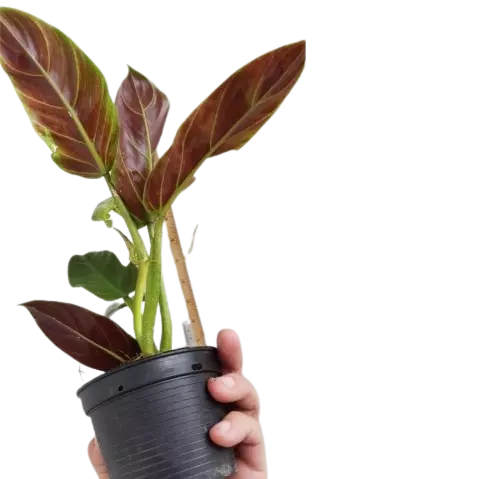 Philodendron Subhastatum 6. Fertilizer:
 - Fertilize once or twice a month during the spring and summer (growing season).
- Use a balanced liquid houseplant fertilizer (e.g., 20-20-20 NPK ratio).
- You can also supplement with calcium and magnesium, which are important for healthy leaf development.
- Reduce or stop fertilizing during the fall and winter when growth slows.
- Wait at least one month before fertilizing a newly transplanted or young philodendron.
- Pruning isn't strictly necessary but can be done to maintain the plant's shape, control its size, or remove leggy growth.
- The best time for pruning is early spring or fall.
- Always remove any yellow or damaged leaves.
- Repot your Philodendron Subhastatum every 1-3 years, or when it becomes root-bound and outgrows its current pot.
- The best time to repot is in the spring.
- Choose a pot that is at least 2 inches larger than the current one.
- Philodendron Subhastatum is relatively easy to propagate from stem cuttings.
-
In water:
- Take a healthy stem cutting about 6 inches long with a few leaves, cutting just below a leaf node.
- Remove the leaves from the bottom half of the cutting.
- Place the cutting in a glass of water, ensuring the nodes are submerged.
- Place in a warm spot with bright, indirect light. Change the water if it becomes cloudy.
- Roots should appear within a few weeks. Once they are at least an inch long, you can plant the cutting in soil.
-
In soil:
- Take a similar stem cutting as for water propagation.
- Remove leaves from the lower half.
- Plant the cutting in a well-draining potting mix, ensuring the nodes are below the soil surface.
- Keep the soil evenly moist and provide bright, indirect light.
- Gently tug on the cutting after a few weeks; resistance indicates root development. New leaf growth is also a sign of successful rooting.
- Common Pests: Watch out for aphids, mealybugs, spider mites, and scale insects. Inspect your plant regularly, especially the undersides of leaves. Treat with insecticidal soap, neem oil, or by manually removing pests.
-
Common Diseases:
- Root Rot: Primarily caused by overwatering. Symptoms include yellowing leaves, mushy roots, and wilting. If detected, remove the plant, trim affected roots, and repot in fresh, well-draining soil.
- Leaf Spot Diseases: Can be bacterial or fungal, appearing as brown or black spots on leaves. Ensure good air circulation and avoid overwatering.
- Nutrient Deficiencies: Yellowing leaves can indicate a lack of magnesium or iron.
- Good air circulation and proper watering practices are key to preventing most diseases.
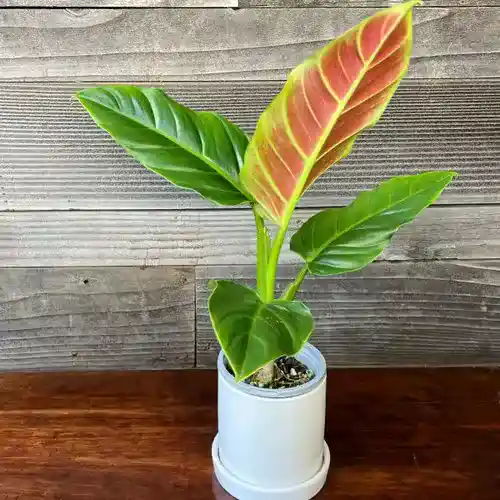 Philodendron Subhastatum By following these care guidelines, your Philodendron Subhastatum should thrive and bring a touch of tropical beauty to your home.
Customer Reviews for Jiffy Plants
S
I received all the plants that I ordered in excellent condition. The packaging was perfect and the plants arrived as if I brought them from a nursery personally.
S
All the plants i recieved were in a very good condition and a recieved them wothin 2 days and the price was also good
C
Received the plants in very good condition, thank you so much.
N
Excellent service and products.
S
Had ordered ten plants in coco peat seeding capsules. It was delivered well packed and all the plants were healthy. Foliage.in platform friends were quick and very helpful with my queries. Appreciate the quality of plants and HR
J
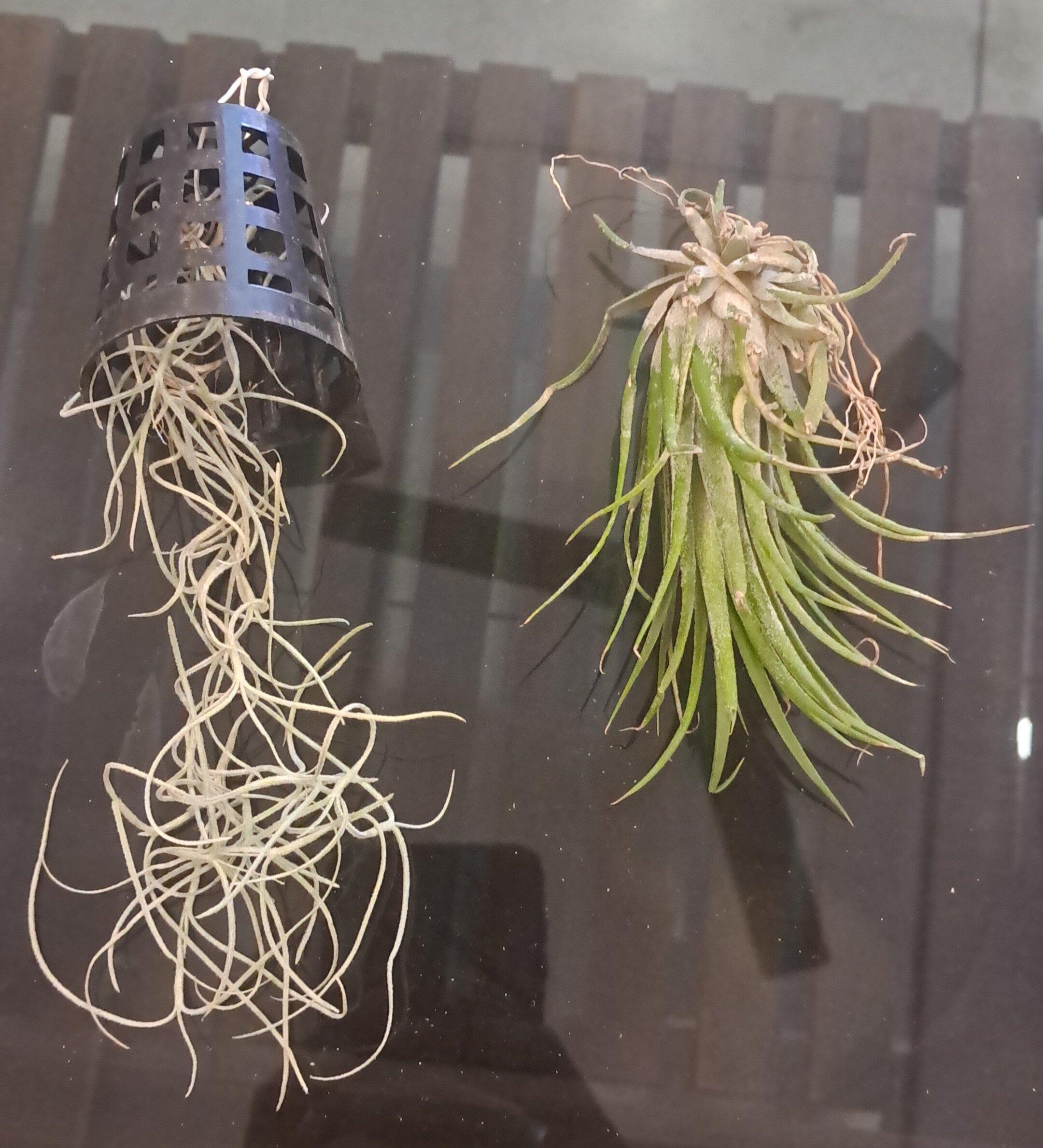
I bought Spanish moss and Tillandsia from Jiffy Plants and both came in good condition with good packing.
R
Plants are very healthy. Good packing too.
T
Excellent service and good product. Plant arrived healthy, well-packaged, and already budding. Very happy with my purchase


