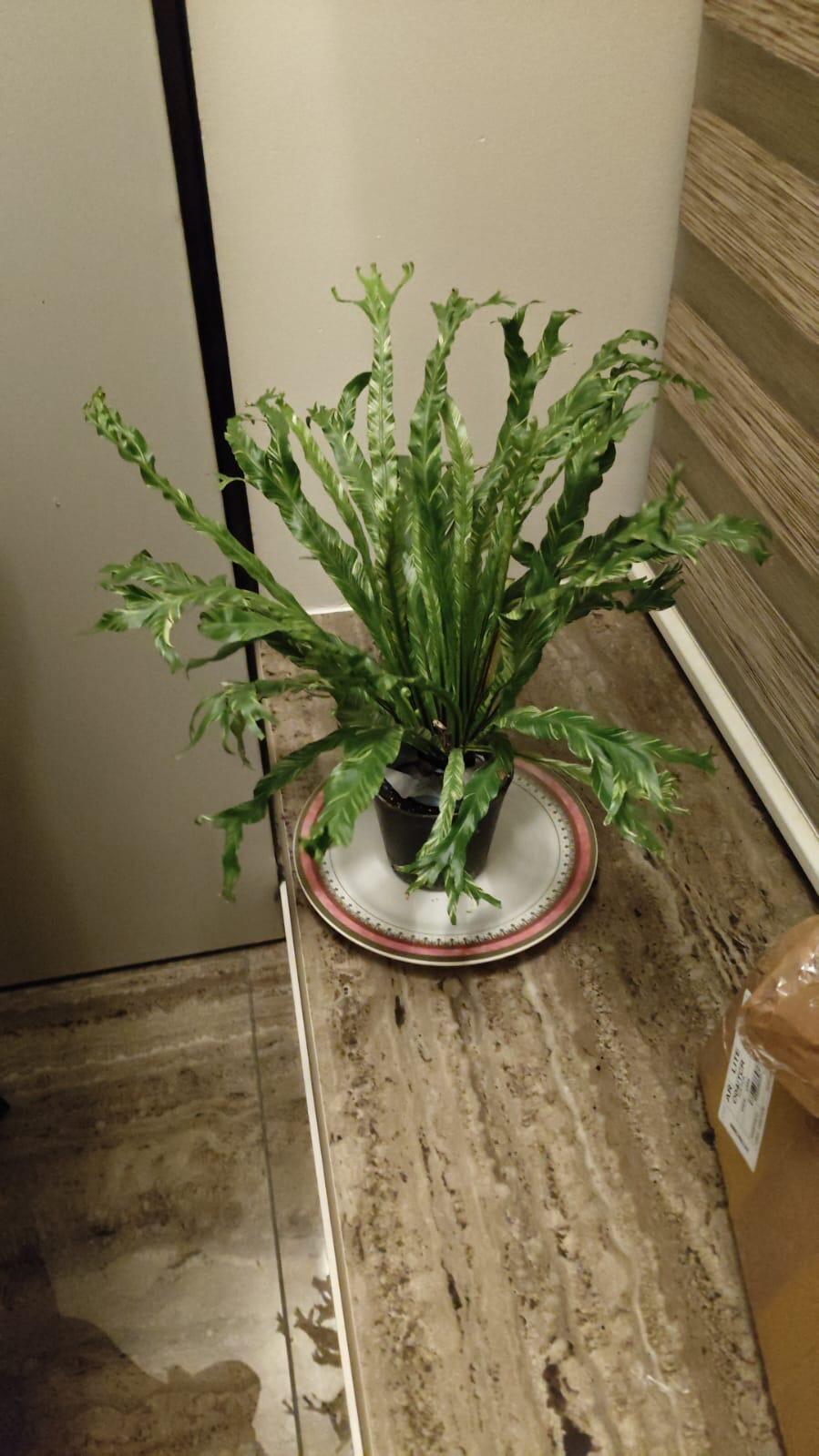
Caladiums, often called "Angel Wings" or "Heart of Jesus," are renowned for their breathtaking, colorful foliage that brings a tropical paradise feel to any indoor space. Native to the lush rainforests of South and Central America, these stunning plants display a spectacular array of heart-shaped leaves, painted with vivid combinations of red, pink, white, and green, making each plant a living work of art. Their striking patterns and vibrant hues are a testament to their exotic heritage, thriving in warm, humid environments.
🌟 Overview
-
Common Name: Bleeding Heart Caladium
-
Botanical Name: Caladium (Houseplant hybrid)
-
Family: Araceae
-
Foliage: Deciduous, large, heart-shaped leaves in vibrant shades
-
Special Features: Known for its dramatic leaf coloration, perfect for adding a pop of color to interiors.
☀️ Light Requirements
-
Ideal: Bright, indirect light is paramount for optimal leaf coloration and growth.
-
Avoid: Direct sun can scorch the delicate leaves, causing brown spots and fading.
-
Tolerance: Can tolerate partial shade, but colors may be less vibrant.
💧 Water Requirements
-
Frequency: Keep soil consistently moist but not waterlogged during the growing season (spring to fall).
-
Method: Water thoroughly when the top 1-2 inches of soil feel dry to the touch.
-
Dormancy: Reduce watering significantly when the plant enters dormancy in winter; allow soil to dry out almost completely.
-
Humidity: Prefers high humidity; misting, a pebble tray, or a humidifier can be beneficial.
📏 Size & Growth
-
Height: Typically grows 1-2 feet (30-60 cm) tall.
-
Spread: Can spread 1-2 feet (30-60 cm) wide.
-
Growth Rate: Moderate grower during its active season.
-
Dormancy: Enters a dormant period in cooler months, often losing all its leaves, only to re-emerge in spring.
🌍 Origin & Characteristics
-
Native Region: Tropical rainforests of South and Central America.
-
Appearance: Features spectacular heart-shaped or lance-shaped leaves with intricate patterns of red, pink, white, and green.
-
Cultural Significance: Popular ornamental plant cultivated for its dramatic foliage, often used in shaded gardens or as vibrant indoor accents.
📇 Toxicity & Safety Warning
-
Toxic to Pets & Humans: All parts of the Caladium plant are toxic if ingested, containing calcium oxalate crystals.
-
Symptoms: Ingestion can cause irritation of the mouth and throat, swelling, difficulty swallowing, and vomiting.
-
Precaution: Keep out of reach of children and pets. Wear gloves when handling to avoid skin irritation.
Frequently Asked Questions
Q: Why are my Caladium leaves turning yellow?
A: Yellowing leaves can indicate overwatering, underwatering, or too much direct sunlight. Check your soil moisture and adjust your watering schedule, and ensure the plant is in bright, indirect light.
Q: How do I get my Caladium to come back after dormancy?
A: After the leaves die back in winter, store the dormant bulb in a cool, dry, dark place. In early spring, repot the bulb in fresh soil, begin light watering, and expose it to bright indirect light to stimulate new growth.
Q: Does my Bleeding Heart Caladium need high humidity?
A: Yes, Caladiums thrive in high humidity, mimicking their native tropical environment. Consider placing a humidifier nearby or using a pebble tray filled with water beneath the pot to increase ambient moisture.