

Cart
0

*Images are for reference only
×



Share this product
4.9
★
★
★
★
☆
Based on 7 reviews
We deliver within 7–10 working days.
Vendor: Jiffy Plants
Couldn't load pickup availability
100% Live & Healthy Plant
Secure payment
Healthy Roots Guarantee 🌱
Guarantee safe checkout


Haplocorma Sp
Rs. 2,199.00

Selling Size : Single Plant | Pot Included | Secure Packing | Free Shipping
"Haplocorma Sp" does not appear to be a recognized botanical genus name. It is likely a misspelling of a different plant name, possibly a variety of Curcuma or another member of the ginger family (Zingiberaceae), which are often rhizomatous and have beautiful foliage. Given the uncertainty, I'll provide a general care guide for a plant that might share characteristics with a misidentified "Haplocorma Sp" such as a member of the Curcuma genus, also known as turmeric, hidden ginger, or Siam tulip. These are popular for their showy, cone-like flowers and tropical foliage.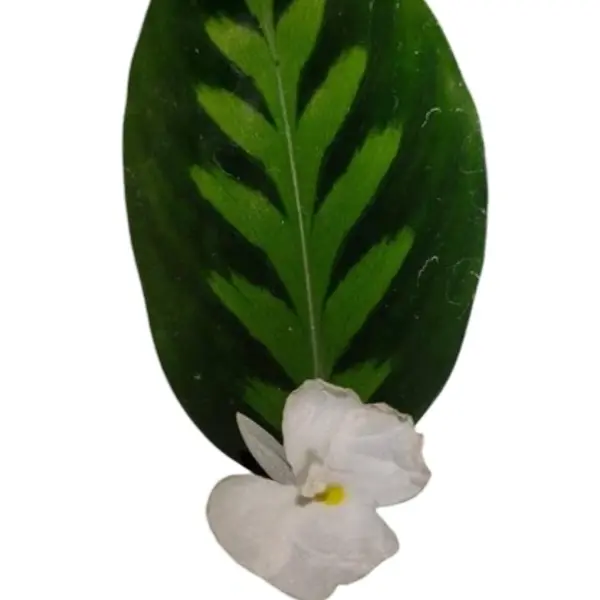 Haplocorma Sp
 Here's a comprehensive guide care for a Haplocorma Sp :
Light:- Bright, indirect light is best. Most ginger-family plants thrive with a good amount of light but need protection from the harsh, direct sun, which can burn their leaves.
- In their native habitat, they grow in the understory of forests, receiving dappled sunlight.
- A few hours of gentle morning sun is usually fine.
- These plants need consistently moist soil during their active growing season (spring and summer).
- Do not let the soil dry out completely, as this can cause the plant to go dormant prematurely.
- Ensure the pot has good drainage, as waterlogged soil can lead to root rot.
- Reduce watering significantly in the fall and winter, when the plant may enter a dormant phase.
- High humidity is crucial. These are tropical plants that thrive in warm, humid conditions.
- You can increase humidity by misting the leaves, using a humidifier, or placing the plant in a naturally humid room like a bathroom or kitchen.
- Maintain a warm temperature, ideally between 65-80°F (18-27°C). They are not frost-tolerant, and cold temperatures will cause them to go dormant or die back.
- Use a rich, well-draining soil with plenty of organic matter. A mix with compost, peat moss, or coco coir is a good choice.
- During the growing season, a balanced liquid fertilizer can be applied monthly to support strong growth and flowering.
- Do not fertilize when the plant is dormant.
- Many rhizomatous tropical plants, including Curcuma, have a natural dormant period in the fall and winter. The foliage will begin to yellow and die back.
- This is a normal part of their life cycle. During this time, reduce watering and stop fertilizing. You can cut the dead foliage back to the soil level.
- In the spring, with warmer temperatures and more light, the plant will emerge from dormancy and begin growing again.
Customer Reviews for Jiffy Plants
S
All the plants i recieved were in a very good condition and a recieved them wothin 2 days and the price was also good
C
Received the plants in very good condition, thank you so much.
N
Excellent service and products.
S
Had ordered ten plants in coco peat seeding capsules. It was delivered well packed and all the plants were healthy. Foliage.in platform friends were quick and very helpful with my queries. Appreciate the quality of plants and HR
J
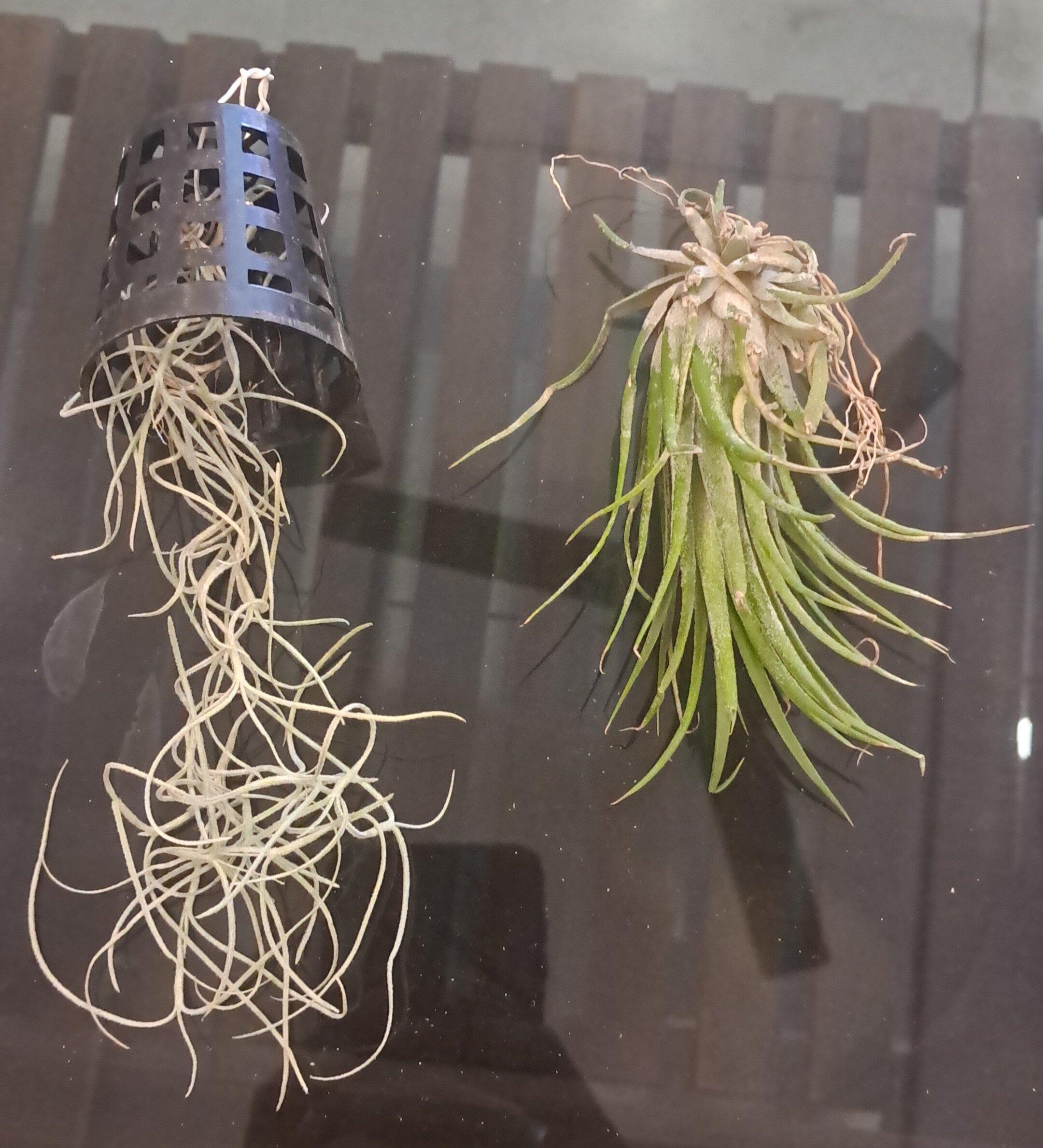
I bought Spanish moss and Tillandsia from Jiffy Plants and both came in good condition with good packing.
R
Plants are very healthy. Good packing too.
T
Excellent service and good product. Plant arrived healthy, well-packaged, and already budding. Very happy with my purchase


