

Cart
0


*Images are for reference only
×



Share this product
4.9
★
★
★
★
☆
Based on 7 reviews
We deliver within 7–10 working days.
Vendor: Jiffy Plants
Couldn't load pickup availability
100% Live & Healthy Plant
Secure payment
Healthy Roots Guarantee 🌱
Guarantee safe checkout


Tectaria Heracleifolia Fern - Rare
Rs. 349.00

Size: Single plant | 2.5"-4" Pot Included
Tectaria Heracleifolia Fern Care:

Tectaria heracleifolia, also known as the Broad Halberd Fern, is a beautiful and relatively easy-to-care-for fern. Here's a care guide to help you keep your plant thriving:
Light:
- Prefers bright, indirect light.
- Avoid direct sunlight, as it can scorch the leaves.
- Can tolerate lower light conditions, but growth may be slower.
Water:
- Keep the soil consistently moist, but not waterlogged.
- Allow the top inch of soil to dry out slightly between waterings.
- Use lukewarm water to avoid shocking the plant.
- Increase humidity around the plant, especially in dry environments. You can use a humidifier, mist the plant regularly, or place the pot on a tray of pebbles filled with water.
Temperature:
- Thrives in warm temperatures between 65-80°F (18-27°C).
- Avoid placing the plant near cold drafts or heat sources.
Fertilizer:
- Fertilize your Tectaria heracleifolia every 4-6 weeks during the growing season (spring and summer) with a balanced liquid fertilizer diluted to half strength.
- Reduce or stop fertilizing in winter.
Soil:
- Use a well-draining potting mix that retains moisture.
- A mix of peat moss, perlite, and potting soil works well.
Repotting:
- Repot your fern every 1-2 years or when it outgrows its current pot.
- Choose a pot that is slightly larger than the current one.
- Gently remove the plant from its old pot, shake off excess soil, and place it in the new pot with fresh soil.
Propagation:
- Propagate your Tectaria heracleifolia through division.
- The best time to propagate is during the spring when the plant is actively growing.

Additional Tips:
- Regularly check your fern for pests like mealybugs and scale.
- If you notice any pests, treat them promptly with insecticidal soap or neem oil.
- Brown leaf tips can be a sign of low humidity or underwatering.
- Yellowing leaves can indicate overwatering or a nutrient deficiency.
By following these care tips, you can enjoy the beauty of your Tectaria heracleifolia for years to come.
Customer Reviews for Jiffy Plants
S
All the plants i recieved were in a very good condition and a recieved them wothin 2 days and the price was also good
C
Received the plants in very good condition, thank you so much.
N
Excellent service and products.
S
Had ordered ten plants in coco peat seeding capsules. It was delivered well packed and all the plants were healthy. Foliage.in platform friends were quick and very helpful with my queries. Appreciate the quality of plants and HR
J
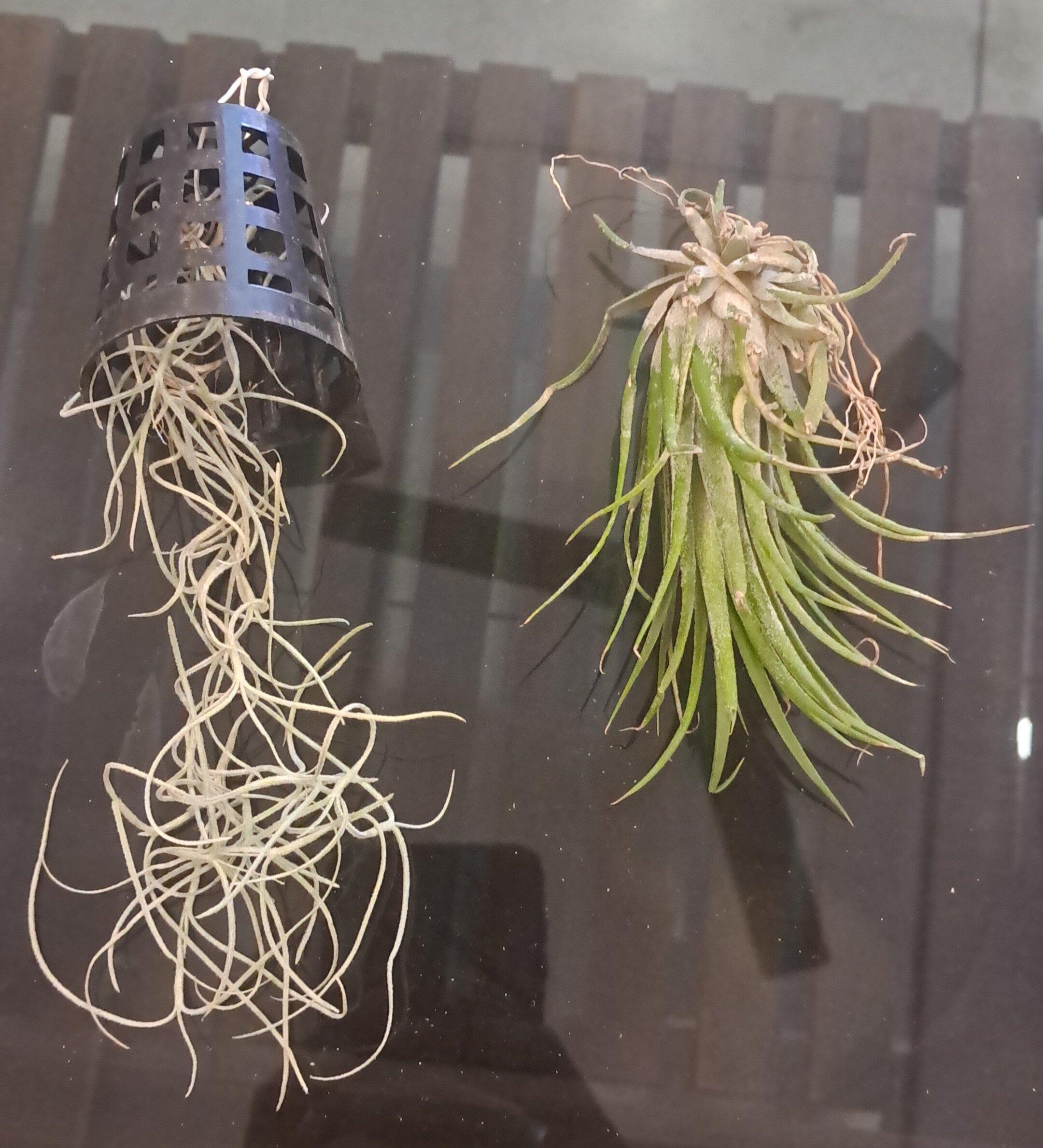
I bought Spanish moss and Tillandsia from Jiffy Plants and both came in good condition with good packing.
R
Plants are very healthy. Good packing too.
T
Excellent service and good product. Plant arrived healthy, well-packaged, and already budding. Very happy with my purchase


