

Cart
0


*Images are for reference only
×



Share this product
4.9
★
★
★
★
☆
Based on 7 reviews
We deliver within 7–10 working days.
Vendor: Jiffy Plants
Couldn't load pickup availability
100% Live & Healthy Plant
Secure payment
Healthy Roots Guarantee 🌱
Guarantee safe checkout


Vanda (VS-054) - Large
Rs. 700.00

Selling Size : Last Image | Net Pot Not Included | Secure Packing
"Vanda (VS-054) - Large Care" primarily refers to the care and cultivation of Vanda orchids, which are highly prized for their vibrant, long-lasting, and often fragrant flowers.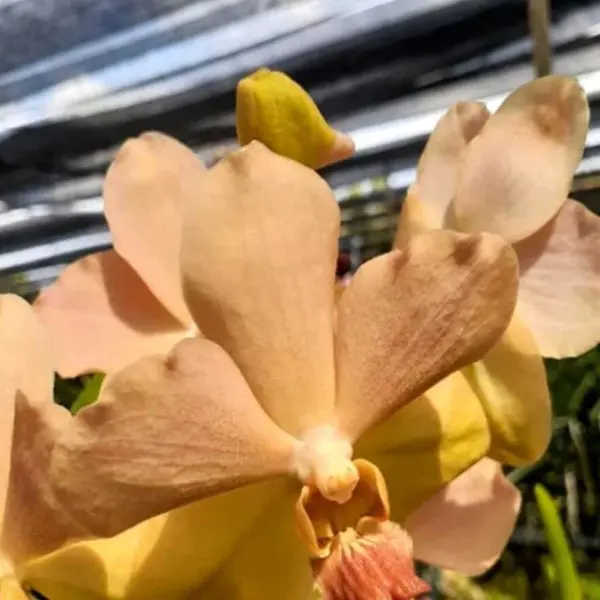 Vanda (VS-054) - Large
 Here's a breakdown of key aspects of Vanda (VS-054) - Large orchid care:
1. Light:- Vandas require bright light to bloom well.
- They prefer indirect or dappled sunlight, such as that provided by a shade cloth, rather than direct, harsh sun, which can burn their leaves.
- A south-facing window is often ideal indoors.
- Some Vanda types, like terete (pencil-shaped leaves), need more direct sun than strap-leaved types.
- LED grow lights can supplement natural light, especially during darker months.
- Vandas are warm-growing orchids.
- Day temperatures: 70-90°F (20-32°C)
- Night temperatures: 60-65°F (16-18°C)
- They need high humidity, ideally between 60-80%.
- You can increase humidity using humidifiers or humidity trays (ensure the plant doesn't sit in water). In very humid environments, they can even be grown bare-root.
- Vandas require frequent watering, especially if grown bare-root. Daily watering or misting may be necessary in hot, sunny conditions.
- If potted, water as the medium just begins to dry out, typically every 5-7 days.
- Always water in the morning to allow leaves to dry before night, preventing bacterial growth.
- Use water low in alkalinity, such as rainwater, distilled water, or reverse osmosis water.
- Roots should turn from white/silvery to green when hydrated.
- During active growth and blooming, water more frequently. Reduce watering slightly in cooler, cloudier periods.
- Vandas are epiphytic (grow on other plants) and naturally have large aerial root systems.
- They are best grown in slotted baskets with a soilless medium like bark or sphagnum moss to ensure excellent airflow around their roots.
- Typical potting soil can kill them.
- Good air movement is crucial to prevent fungal issues, especially with high humidity. A fan can be beneficial in indoor growing environments.
 5. Fertilization:
 - Vandas are heavy feeders and benefit from regular fertilization.
- "Feed weakly, weekly" is a good general rule. Use a balanced liquid fertilizer (e.g., 20-20-20 NPK) at 1/4 to 1/2 strength every time you water during the growing season.
- Flush with non-softened water once a month to prevent salt buildup.
- A high-phosphorus fertilizer can be used occasionally to encourage blooming.
- Healthy, well-cared-for Vandas can bloom multiple times a year, with flowers lasting several weeks.
- Adequate light is the most critical factor for re-flowering.
- Some growers may place the plant in a slightly cooler spot for a few weeks (never below 59°F/15°C) to stimulate flowering, while maintaining light and watering.
- Vandas generally don't need frequent repotting, especially if grown in baskets, as their roots will grow beyond the container.
- If repotting is necessary, do it in spring every 2 years or so. Choose a basket or clay pot slightly larger than the old one.
- Allow roots to heal for about a week after repotting before resuming normal watering.
Customer Reviews for Jiffy Plants
S
All the plants i recieved were in a very good condition and a recieved them wothin 2 days and the price was also good
C
Received the plants in very good condition, thank you so much.
N
Excellent service and products.
S
Had ordered ten plants in coco peat seeding capsules. It was delivered well packed and all the plants were healthy. Foliage.in platform friends were quick and very helpful with my queries. Appreciate the quality of plants and HR
J
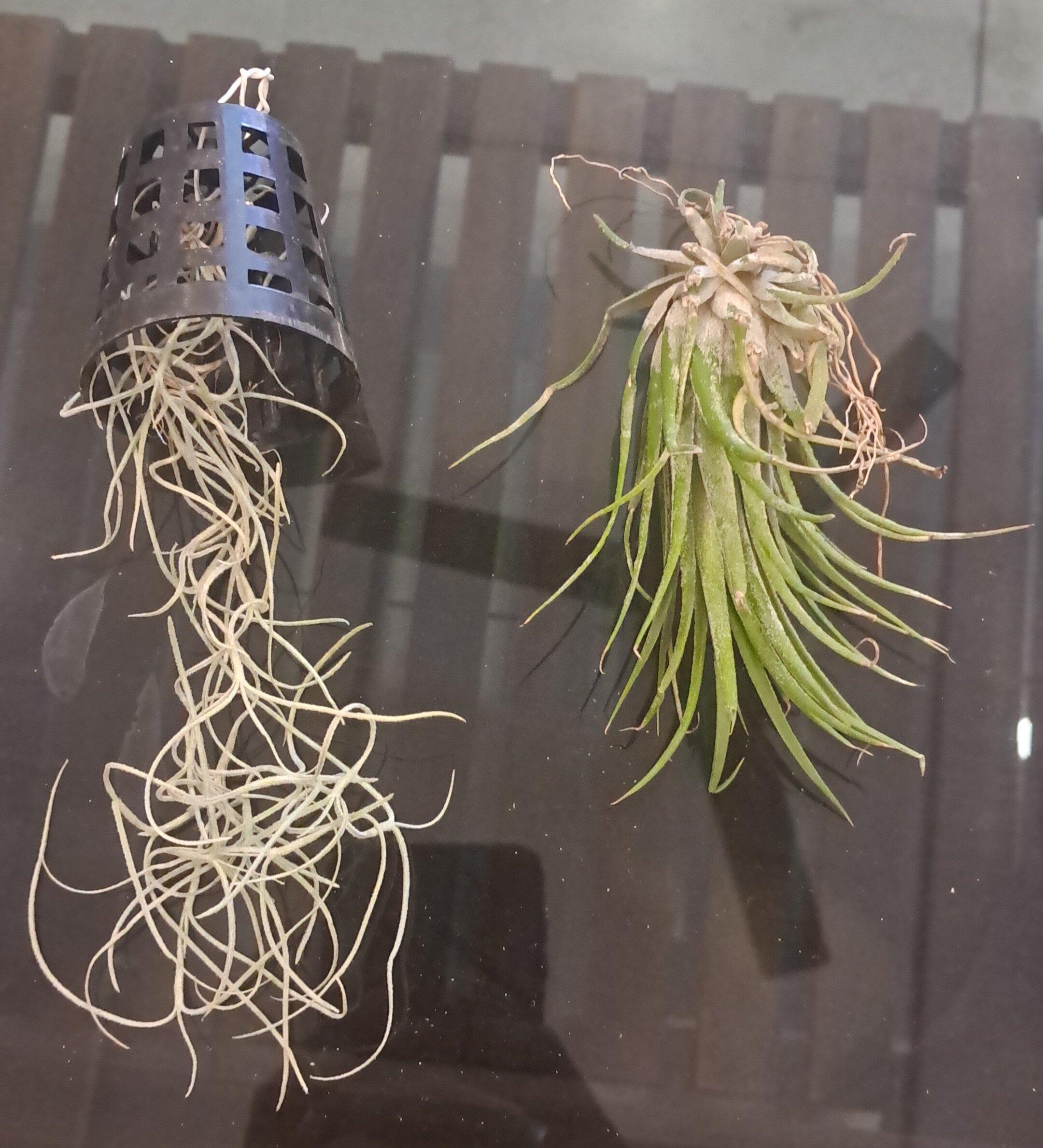
I bought Spanish moss and Tillandsia from Jiffy Plants and both came in good condition with good packing.
R
Plants are very healthy. Good packing too.
T
Excellent service and good product. Plant arrived healthy, well-packaged, and already budding. Very happy with my purchase


