

Cart
0


*Images are for reference only
×



Share this product
4.9
★
★
★
★
☆
Based on 7 reviews
We deliver within 7–10 working days.
Vendor: Jiffy Plants
Couldn't load pickup availability
100% Live & Healthy Plant
Secure payment
Healthy Roots Guarantee 🌱
Guarantee safe checkout


Thai Basil, Tulasi Plant
Rs. 299.00

Size: Single Plant | 2.5" Pot Included
Here's a guide to Thai basil plant care, combining information from various sources:
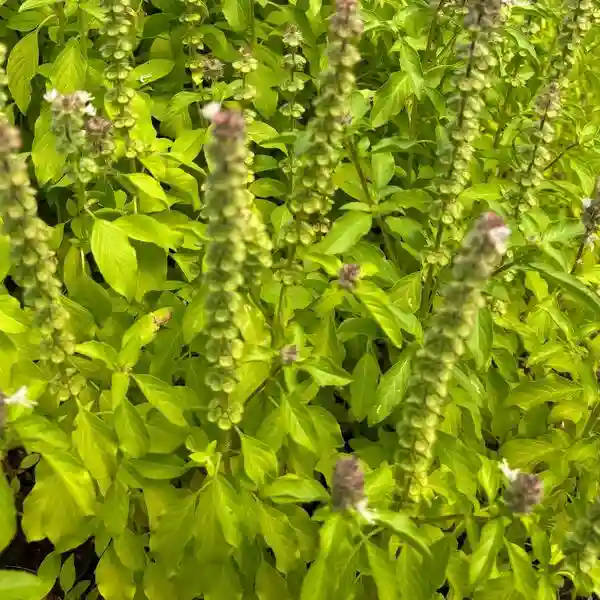
Understanding Thai Basil
- Distinctive Features: Thai basil stands out with its purple stems, dark green leaves, and a unique flavor profile that blends licorice and spice. It's a staple in Southeast Asian cuisine.
- Growth Habits: This herb thrives in warm, tropical climates. In cooler regions, it's often grown as an annual.
General Care Tips
- Sunlight: Thai basil loves sunshine! Aim for at least 6 hours of direct sunlight daily. If you live in a very hot area, some afternoon shade can be beneficial.
- Watering: Keep the soil consistently moist, but not soggy. Water deeply when the top inch of soil feels dry. Overwatering can lead to yellowing leaves and root rot.
- Soil: Well-draining soil is crucial. A slightly acidic pH is ideal. If you're growing in pots, ensure they have drainage holes.
- Temperature: Thai basil prefers warm temperatures. It's sensitive to frost, so protect it from cold snaps.
- Fertilizing: If your soil is rich, you may not need to fertilize often. A balanced fertilizer or a liquid seaweed/fish fertilizer can be used sparingly during the growing season.
- Pinching and Harvesting: Pinch off flower buds to encourage bushier growth and more leaves. Harvest leaves regularly to stimulate production. When harvesting, cut above a node (where leaves grow from the stem).
Growing Indoors
- Location: A sunny, south-facing window is best.
- Potting: Use a pot that's at least 6 inches deep with drainage holes.
- Soil: Choose a well-draining potting mix.
- Watering: Water when the top inch of soil feels dry.
- Light: If you don't have enough natural light, consider using grow lights.
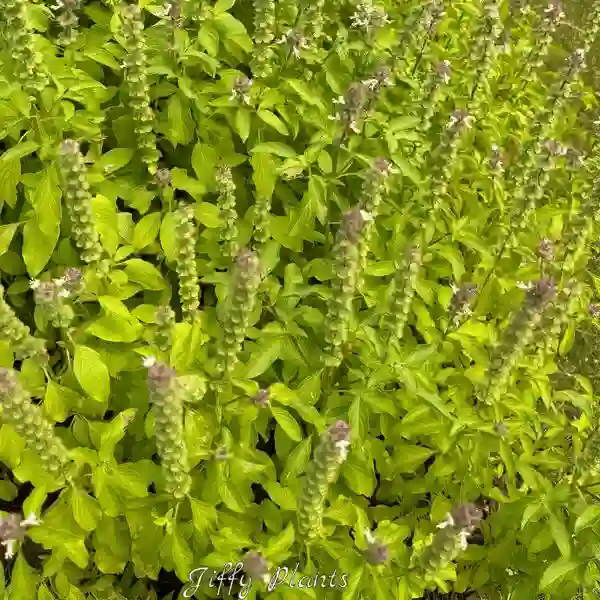
Troubleshooting
- Yellowing Leaves: Overwatering, nutrient deficiencies, or pests can cause yellowing leaves.
- Pests: Aphids, slugs, and spider mites can be problematic. Use insecticidal soap or neem oil to control pests.
- Diseases: Root rot and fungal diseases can occur in overly wet conditions. Ensure good drainage and air circulation.
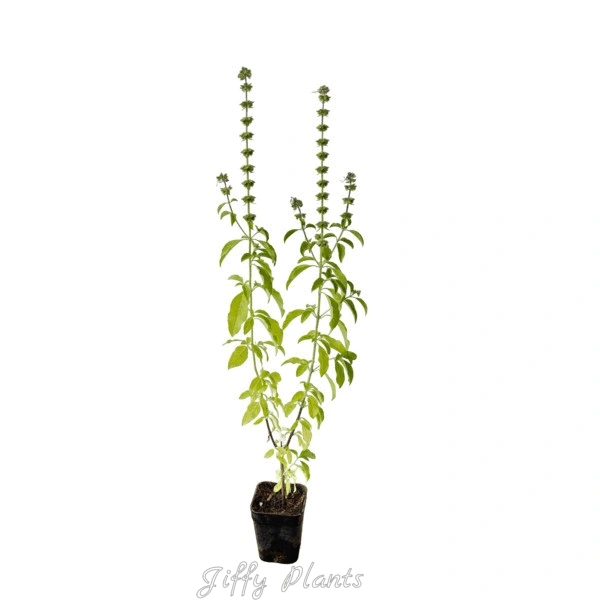 Thai Basil Plant
 Additional Tips
- Companion Planting: Thai basil grows well with tomatoes, peppers, and other herbs like rosemary.
- Propagation: You can propagate Thai basil from seeds or cuttings.
- Harvesting Seeds: If you want to collect seeds, allow some flowers to mature and dry.
Let me know if you have any other questions!
Customer Reviews for Jiffy Plants
S
All the plants i recieved were in a very good condition and a recieved them wothin 2 days and the price was also good
C
Received the plants in very good condition, thank you so much.
N
Excellent service and products.
S
Had ordered ten plants in coco peat seeding capsules. It was delivered well packed and all the plants were healthy. Foliage.in platform friends were quick and very helpful with my queries. Appreciate the quality of plants and HR
J
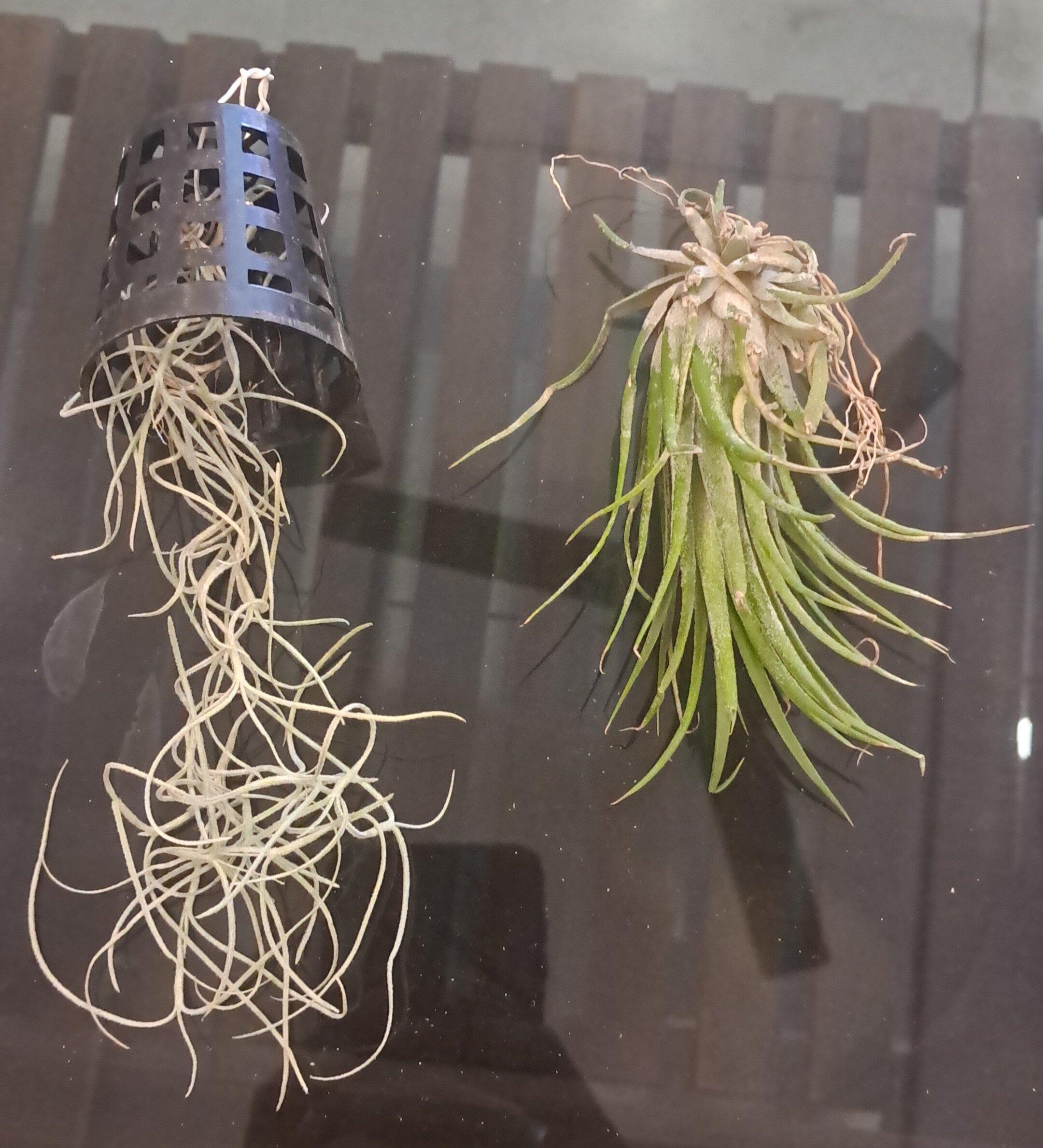
I bought Spanish moss and Tillandsia from Jiffy Plants and both came in good condition with good packing.
R
Plants are very healthy. Good packing too.
T
Excellent service and good product. Plant arrived healthy, well-packaged, and already budding. Very happy with my purchase


