

Cart
0

*Images are for reference only
×



Share this product
4.9
★
★
★
★
☆
Based on 7 reviews
We deliver within 7–10 working days.
Vendor: Jiffy Plants
Couldn't load pickup availability
100% Live & Healthy Plant
Secure payment
Healthy Roots Guarantee 🌱
Guarantee safe checkout


Tolumnia (TM-022)
Rs. 325.00

Selling Size : Last Image | Net Pot Included | Secure Packing
Tolumnia orchids, often called "Dancing Lady Orchids" due to their unique flower shape, are miniature epiphytes native to the Caribbean.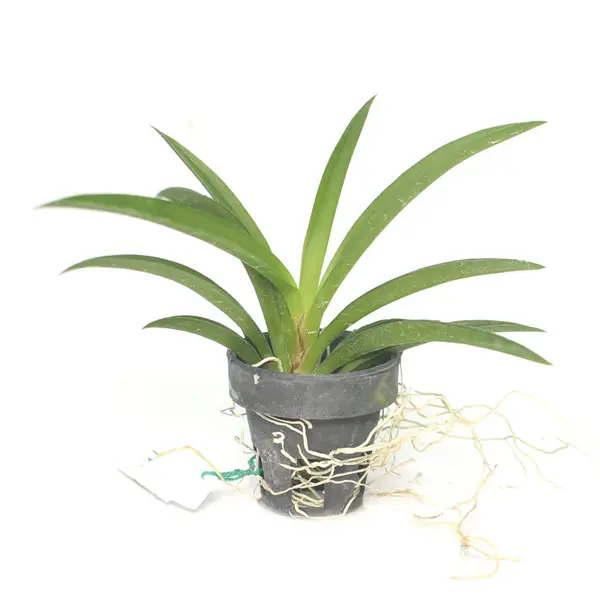 Tolumnia
 Here's a comprehensive guide for Tolumnia care:
1. Light:- Bright, diffused light is essential. Tolumnias need more light than Phalaenopsis but less than Cattleyas.
- Ideal locations: East, south, or west-facing windows that receive at least 2 hours to a full day of sun.
- Avoid harsh midday sun: Filter intense light with a sheer curtain to prevent leaf burn.
- Insufficient light: Can lead to reluctance to bloom. Gradually increase light if this occurs.
- Intermediate conditions are preferred.
- Daytime: 70-80°F (21-27°C)
- Nighttime: 60-65°F (16-18°C)
- They can tolerate higher daytime temperatures if they cool down at night and receive increased watering.
- Crucial for Tolumnias: They thrive on a quick wet/dry cycle. In their natural habitat, they grow on tree branches and dry out rapidly.
-
Frequency:
- Mounted or in very airy media: Daily watering, potentially twice a day in hot conditions (above 85°F/29°C).
- Potted indoors: Every day to every other day, depending on how quickly the potting mix dries.
- Method: Water thoroughly until water drains from the pot. It's often recommended to take them to a sink or shower, water, let them drip dry, and then return them.
- Water quality: Use lukewarm water. Avoid water below 50°F (10°C), hard water, or water softened by salts, as this can injure the plant. Rainwater, distilled, or reverse osmosis water are ideal.
- Signs of insufficient water: "Accordion" growth (pleated leaves) or wrinkled leaves. These won't straighten out, but new growth should be normal if watering improves.
- Avoid wetting foliage: Tolumnias are susceptible to various infections if their leaves stay wet for extended periods.
- High humidity is beneficial: Aim for 50-70%.
- Good airflow is critical if humidity is high (above 75%) or conditions are soggy to prevent fungal issues.
- You can increase humidity with a humidifier or a humidity tray (ensure the pot is not sitting in water).
- Excellent drainage and aeration are paramount.
- Mounting: They do very well mounted on cork or tree fern, mimicking their natural epiphytic growth. If mounted, they will require more frequent watering.
- Pots: If potting, choose small pots with ample drainage holes.
-
Potting mixes:
- 100% coarse-grade orchid bark mix
- 100% tree fern fiber
- A mix of 1/3 sphagnum moss and 2/3 fine orchid bark mix or tree fern fiber.
- Charcoal is also a common component.
- Repotting: Best done in spring when new growth initiates and new roots are forming. Repot every 2-3 years or when the potting mix breaks down.
- Fertilize regularly during active growth to promote strong growth and prolific blooming.
- Strength: Use ¼ to full strength of a water-soluble orchid fertilizer.
-
Formulation:
- Active growth (spring to early fall): High nitrogen (e.g., 30-10-10), gradually tapering off as pseudobulbs form.
- Flower spike formation: Bloom-booster formulation (e.g., 10-30-20).
- Frequency: Some growers fertilize with almost every watering at a very diluted strength (1/2 to 1/4 recommended dose), while others fertilize every 2-4 weeks.
- Do not fertilize during winter or when the plant is completely dry, as this can damage roots.
- Flush regularly with plain water to remove built-up salts from the media.
- Some sources suggest a slightly drier period from November to February to stimulate flowering, with reduced watering (e.g., once every 3-4 weeks for potted plants, every 10-15 days for mounted). However, others report success with consistent watering throughout the year, especially with mounted plants that dry quickly. It's generally agreed that withholding fertilizer during winter is beneficial.
- Wrinkled or pleated leaves: Often a sign of underwatering or low humidity. Check roots for rot if this occurs despite adequate watering.
- Root rot: Caused by overwatering or poor drainage. Ensure quick drying between waterings.
- Pests: Susceptible to common orchid pests like mealybugs, scale insects, and thrips. Inspect regularly and treat as needed.
- Bud blast: Dropping of buds, can be caused by various factors including sudden temperature changes, over/underwatering, low humidity, over-fertilization, or pests.
- Leaf spots: Can be bacterial or fungal. Ensure good airflow and avoid wetting foliage.
Customer Reviews for Jiffy Plants
S
All the plants i recieved were in a very good condition and a recieved them wothin 2 days and the price was also good
C
Received the plants in very good condition, thank you so much.
N
Excellent service and products.
S
Had ordered ten plants in coco peat seeding capsules. It was delivered well packed and all the plants were healthy. Foliage.in platform friends were quick and very helpful with my queries. Appreciate the quality of plants and HR
J
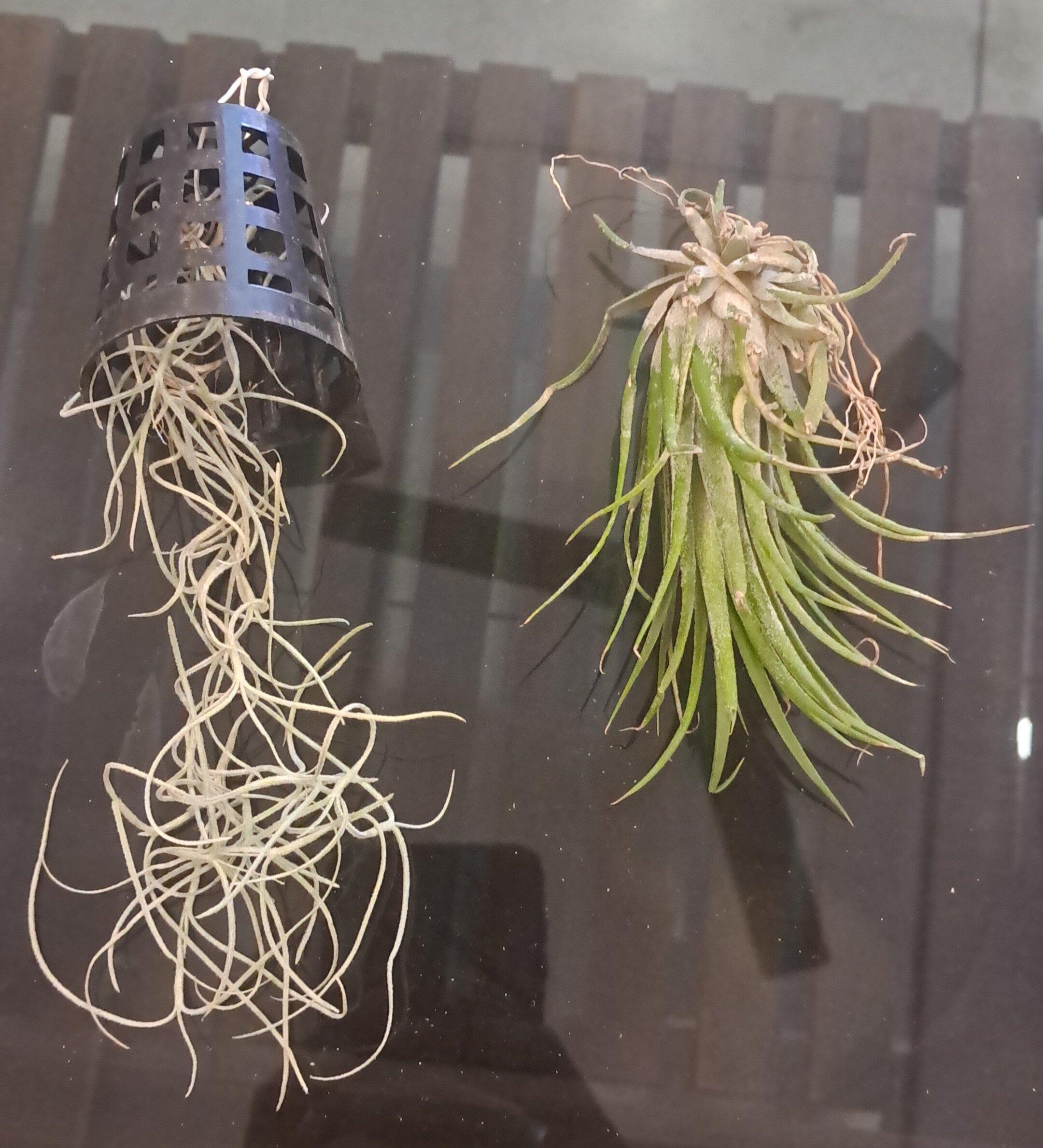
I bought Spanish moss and Tillandsia from Jiffy Plants and both came in good condition with good packing.
R
Plants are very healthy. Good packing too.
T
Excellent service and good product. Plant arrived healthy, well-packaged, and already budding. Very happy with my purchase


