

Cart
0


*Images are for reference only
×



Share this product
4.9
★
★
★
★
☆
Based on 7 reviews
We deliver within 7–10 working days.
Vendor: Jiffy Plants
Couldn't load pickup availability
100% Live & Healthy Plant
Secure payment
Healthy Roots Guarantee 🌱
Guarantee safe checkout


Syngonium Mojito - Rare Plant
Rs. 599.00

Size: Single Plant | Pot Included | Secure Packing
Syngonium Mojito - Rare Plant is a highly prized variety of Syngonium podophyllum, celebrated for its unique mottled variegation that resembles splashes of green, lime, cream, and mint across the leaves. Its unpredictable marbled pattern makes every leaf different and increases its popularity among rare plant collectors. Despite its exotic appearance, Syngonium Mojito is quite easy to care for, provided it receives stable light, proper watering, and good humidity. Below is a detailed 600-word guide to help you grow your Syngonium Mojito beautifully.
 Syngonium Mojito - Rare Plant
 Syngonium Mojito – Rare Plant Care Guide :
Light Requirements
Light is the most important factor for maintaining strong variegation. Syngonium Mojito thrives in bright, indirect light. Place it near windows where it receives good natural brightness but no direct sunlight. Direct sun can burn the variegated portions and leave brown patches. In low light, the plant produces greener leaves with reduced variegation. A bright east-facing spot or north-facing window works perfectly. If your indoor space lacks natural sunlight, you can use a medium-strength grow light for 8–10 hours daily to maintain its colourful foliage.
Watering
Syngonium Mojito prefers consistent moisture, but not soggy soil. Water the plant once the top 2–3 cm of the soil dries. The watering frequency varies by season:
-
Summer/Active growth: Water more frequently as the soil dries faster.
-
Winter: Reduce watering slightly to prevent root rot.
Always use pots with drainage holes. Overwatering leads to yellow leaves and mushy stems, while underwatering causes drooping and crispy edges. The plant usually bounces back from mild dehydration, but repeated dryness can damage the variegation. Use room-temperature water for best results.
Humidity
Syngonium Mojito thrives in moderate to high humidity, ideally between 60–80%. High humidity keeps the leaves lush, prevents browning tips, and supports vibrant variegation. You can increase humidity by:
-
Using a humidifier nearby
-
Keeping the pot on a pebble tray
-
Grouping plants together
-
Placing it in naturally humid rooms like kitchens or bathrooms
Avoid misting directly during cooler months because water droplets may cause fungal spots.
Temperature
Keep your Syngonium Mojito in warm temperatures between 18–30°C. The plant does not tolerate cold air or sudden temperature drops. Do not place it near AC vents, open windows, or near heaters. Temperatures below 15°C may cause leaf curling, slowed growth, or leaf drop. Stable temperature encourages fast, bushy growth.
 Syngonium Mojito - Rare Plant
 Soil
A light, airy, well-draining mix is essential to keep the roots healthy. A perfect Syngonium Mojito potting mix includes:
-
40% cocopeat or peat moss
-
25% perlite
-
20% orchid bark
-
10% charcoal
-
5% coco chips
This mix holds moisture while allowing enough airflow to prevent rot. Syngoniums have shallow root systems, so medium-size pots work best.
Fertilisation
Feed your Syngonium Mojito with a balanced liquid fertilizer (NPK 20-20-20 or 10-10-10) every 2–3 weeks during the growing season (March–October). Always dilute the fertilizer to half strength because variegated plants are sensitive to chemical buildup. Signs of overfertilisation include brown patches, burnt tips, and very dark green leaves. Organic options like seaweed extract, fish emulsion, or very mild compost tea work well for maintaining healthy variegation. Avoid fertilising in winter unless the plant is actively growing.
 Syngonium Mojito - Rare Plant
 Pruning & Maintenance
Regular pruning helps maintain compact, bushy growth. Trim leggy stems or yellowing leaves using clean scissors. Syngonium Mojito naturally vines as it matures, so you can either let it trail or train it to climb using a moss pole. Climbing promotes larger leaves and stronger variegation. Clean the leaves gently with a soft cloth to remove dust and improve photosynthesis.
Propagation
This plant is very easy to propagate through stem cuttings. Ensure each cutting has at least one node. You can root it in water, moist moss, perlite, or directly in soil. High humidity speeds up rooting. Once roots are around 2–3 cm long, you can transfer the cutting to a pot.
Pests & Common Problems
Common pests include spider mites, thrips, mealybugs, and aphids. Regularly inspect the undersides of leaves. Treat infestations early with neem oil or insecticidal soap.
-
Yellow leaves: Overwatering
-
Brown tips: Low humidity or fertilizer burn
-
Fading variegation: Insufficient light
Addressing these issues early ensures long-term health.
Customer Reviews for Jiffy Plants
S
All the plants i recieved were in a very good condition and a recieved them wothin 2 days and the price was also good
C
Received the plants in very good condition, thank you so much.
N
Excellent service and products.
S
Had ordered ten plants in coco peat seeding capsules. It was delivered well packed and all the plants were healthy. Foliage.in platform friends were quick and very helpful with my queries. Appreciate the quality of plants and HR
J
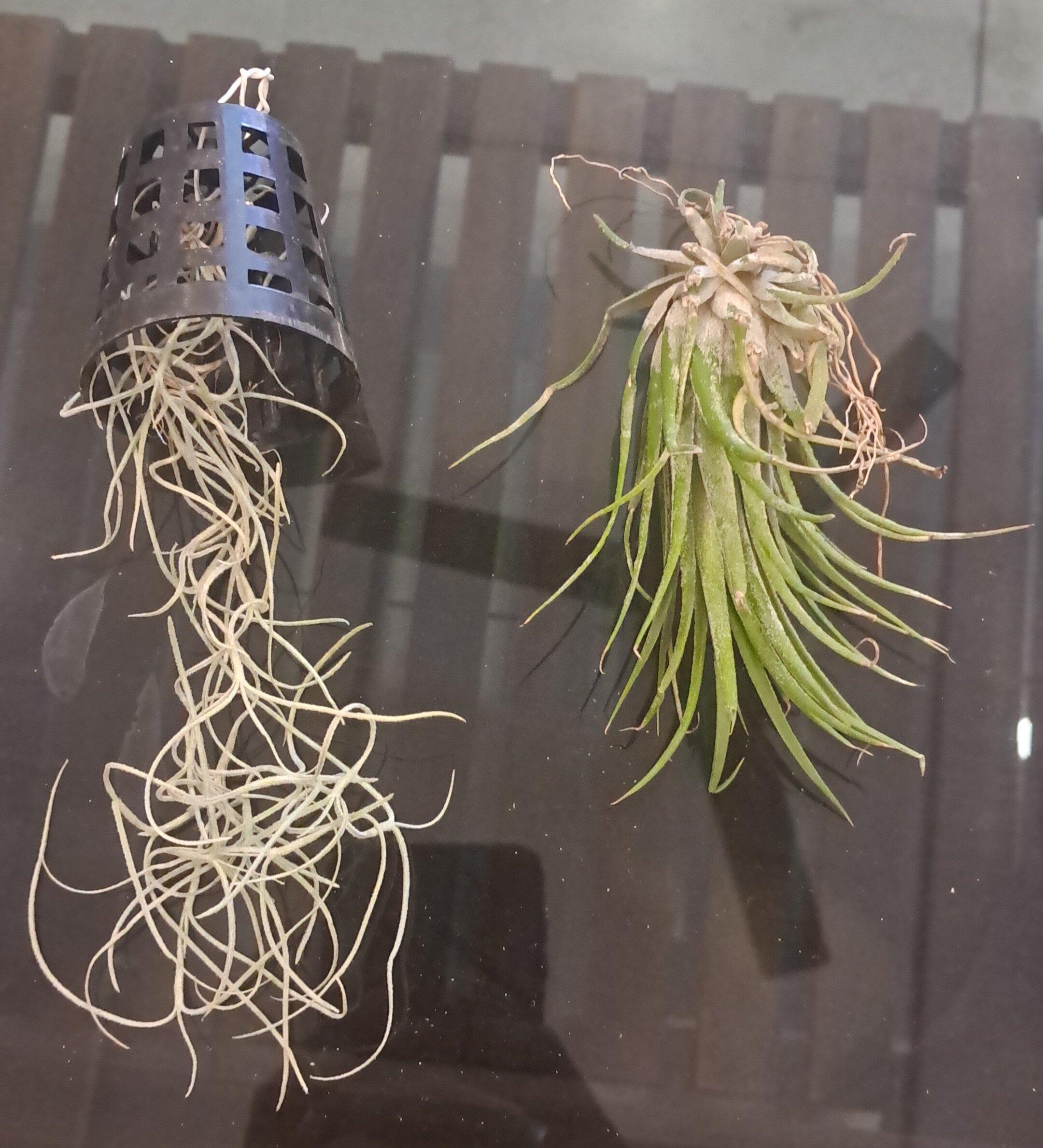
I bought Spanish moss and Tillandsia from Jiffy Plants and both came in good condition with good packing.
R
Plants are very healthy. Good packing too.
T
Excellent service and good product. Plant arrived healthy, well-packaged, and already budding. Very happy with my purchase


