

Cart
0

*Images are for reference only
×



Share this product
4.9
★
★
★
★
☆
Based on 7 reviews
We deliver within 7–10 working days.
Vendor: Jiffy Plants
Couldn't load pickup availability
100% Live & Healthy Plant
Secure payment
Healthy Roots Guarantee 🌱
Guarantee safe checkout


Labisia 'Super Dark'
Rs. 2,499.00

Selling Size : Single Plant | |Pot Included | Secure Packing | Free Shipping
The Labisia 'Super Dark' is a stunning tropical plant, much like its Labisia relatives, and is prized for its incredibly dark, often iridescent foliage. As a member of the forest floor community in its native Southeast Asian habitat, it requires specific conditions to thrive.
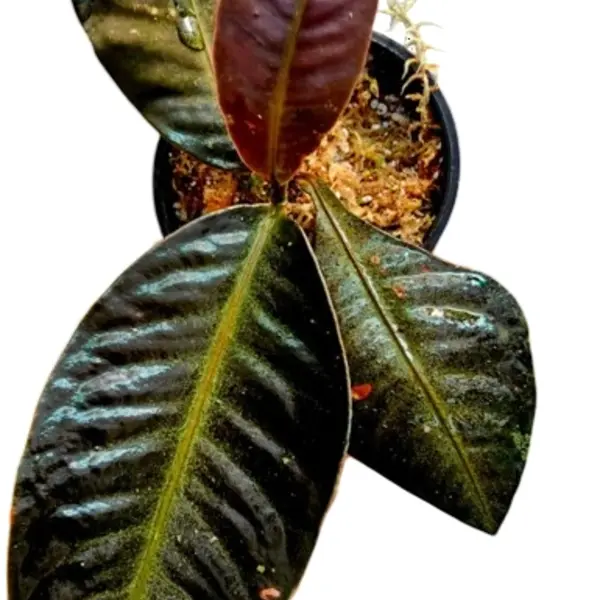 Labisia 'Super Dark'
 Here is a detailed guide to caring for your Labisia 'Super Dark':
Light
- Low to medium, indirect light is ideal. This plant is an understory dweller, so it's accustomed to receiving dappled, filtered sunlight.
- Avoid all direct sunlight. Direct sun will not only scorch the delicate leaves but also cause the plant to lose its vibrant, dark coloration.
- Signs of improper lighting: Too much sun can lead to faded leaves and brown, crispy tips. If the plant is in too low light, it may become leggy and its growth may stall.
Watering
- Keep the soil consistently moist but not waterlogged. Labisia plants are very sensitive to both overwatering and drying out.
- Water when the top inch of soil feels dry to the touch.
- Ensure good drainage. A pot with drainage holes is essential to prevent the roots from sitting in soggy soil, which can lead to root rot.
- Signs of improper watering: Yellowing leaves are often a sign of overwatering, while curling or browning leaves can indicate the plant is not getting enough water.
Humidity and Temperature
- High humidity is a must. Labisia 'Super Dark' requires humidity levels of at least 70% to truly thrive.
- Best way to provide humidity: This plant is an excellent candidate for a closed terrarium or a plant cabinet, as these environments make it easy to maintain the high humidity it needs.
- Other ways to increase humidity: Use a humidifier near the plant or place it on a pebble tray with water.
- Maintain a warm, stable temperature between 65-80°F (18-27°C).
- Protect the plant from cold drafts and sudden temperature changes, which can stress the plant and cause leaf drop.
Soil
- Use a well-draining, airy, and slightly acidic potting mix.
- A good blend might include a mix of peat-free compost, perlite, and fine orchid bark to provide a balance of moisture retention and excellent root aeration.
Fertilizing
- Feed with a balanced liquid houseplant fertilizer diluted to half-strength once a month during the growing season (spring and summer).
- Do not fertilize during the fall and winter months when the plant's growth slows down.
Other Tips
- Slow grower: This plant is known for its slow growth, so be patient.
- Pruning: Prune away any damaged or yellowing leaves to encourage new growth and maintain a tidy appearance.
- Pest resistance: Labisia is relatively pest-resistant, but keep an eye out for common houseplant pests like spider mites and mealybugs.
Customer Reviews for Jiffy Plants
S
All the plants i recieved were in a very good condition and a recieved them wothin 2 days and the price was also good
C
Received the plants in very good condition, thank you so much.
N
Excellent service and products.
S
Had ordered ten plants in coco peat seeding capsules. It was delivered well packed and all the plants were healthy. Foliage.in platform friends were quick and very helpful with my queries. Appreciate the quality of plants and HR
J
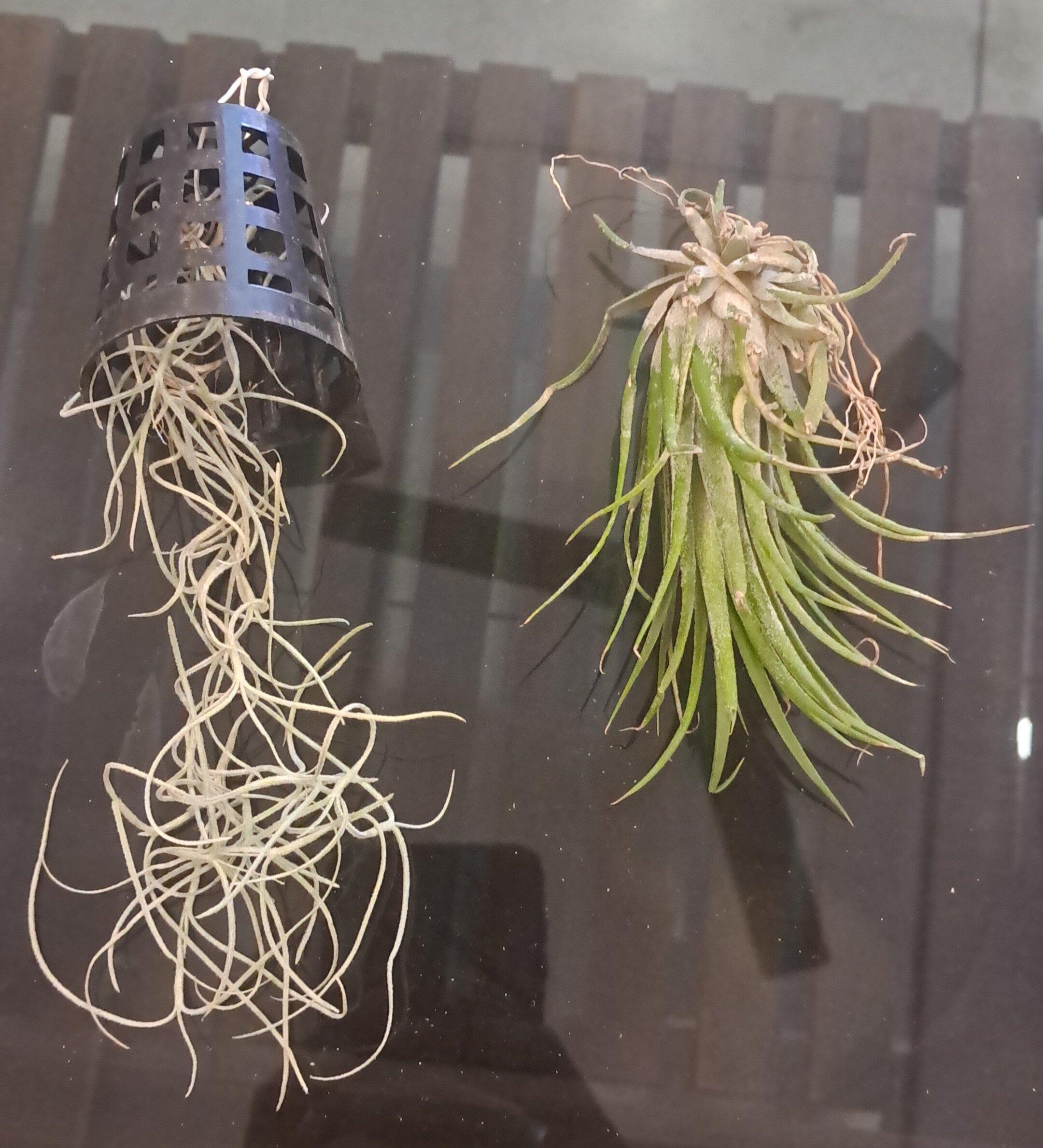
I bought Spanish moss and Tillandsia from Jiffy Plants and both came in good condition with good packing.
R
Plants are very healthy. Good packing too.
T
Excellent service and good product. Plant arrived healthy, well-packaged, and already budding. Very happy with my purchase


