

Cart
0


*Images are for reference only
×



Share this product
4.9
★
★
★
★
☆
Based on 8 reviews
We deliver within 7–10 working days.
Vendor: Jiffy Plants
Couldn't load pickup availability
100% Live & Healthy Plant
Secure payment
Healthy Roots Guarantee 🌱
Guarantee safe checkout


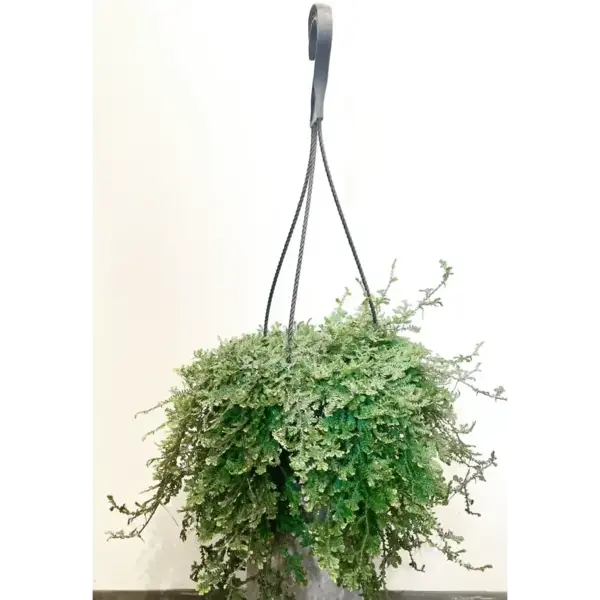
Selaginella Uncinata, Blue Spikemoss, Peacock Fern - Creeper
Rs. 249.00

Selling size: Bushy Plant | Pot Included
Selaginella uncinata, commonly known as Blue Spikemoss or Peacock Fern, is a captivating plant admired for its iridescent blue-green foliage. Despite its common names, it is neither a true moss nor a fern but a lycophyte, a more ancient group of vascular plants.
Here's a guide to keeping Selaginella Uncinata | Blue Spikemoss | Peacock Fern beauty thriving:
 Selaginella Uncinata, Blue Spikemoss, Peacock Fern - Creeper
 Key characteristics:
- Iridescent foliage: The most notable feature is its shimmering, metallic blue-green coloration, which appears to change with the angle of the light. This striking effect is most vibrant when the plant is grown in low-light conditions.
- Growth habit: It is a creeping, mat-forming herb that can spread extensively. The stems are delicate, profusely branched, and trail along the ground.
- Leaves: The plant has two different types of scale-like leaves. The larger leaves grow along the sides of the main stem, while the smaller, overlapping leaves are arranged in pairs.
- Spores: Like other spikemosses, S. uncinata is heterosporous, producing two sizes of spores (microspores and megaspores) in cone-like structures called strobili.
- Habitat: In its native environment, it thrives on the moist, shaded forest floor, often found near rivers or in swampy areas.
Cultivation and care:
Light
- Bright, indirect light is ideal. An east-facing window or a location with filtered light is perfect.
- It can tolerate lower light conditions, and the blue coloration may even be more pronounced in slightly shadier spots.
- Avoid direct sunlight, which can scorch its delicate leaves.
Watering
- Requires consistently moist soil. Water when the top inch of the soil starts to feel slightly dry.
- Water thoroughly, ensuring the pot has good drainage to prevent waterlogging and root rot. Never allow the plant to sit in standing water.
- "Little and often" is a good approach. Be mindful not to let the soil dry out completely.
- Reduce watering slightly in winter when growth slows, but never allow the soil to become bone dry.
Humidity
- High humidity is crucial for Selaginella uncinata to flourish. Aim for humidity levels of 50% or higher.
- Ideal for terrariums, which naturally provide a humid environment.
-
If not in a terrarium, increase humidity by:
- Regularly misting the plant with a fine spray.
- Using a pebble tray filled with water near the plant (ensure the pot isn't sitting directly in the water).
- Grouping plants together to create a more humid microclimate.
- Using a humidifier.
Temperature
- Prefers moderate temperatures between 12-26°C (53-79°F).
- Avoid extreme temperatures and drafts of hot or cold air.
- Cannot tolerate temperatures below 10°C (50°F).
Soil
- Needs a well-draining potting mix that also retains moisture.
- A mix containing peat moss or coco coir, along with perlite or pumice for drainage, works well. A fern mix is also suitable.
- Slightly acidic to neutral soil pH (around 5.5 to 7.0) is preferred.
Fertilizer
- A light feeder. Fertilize sparingly, once a month during the spring and summer growing season with a diluted balanced liquid fertilizer.
- Avoid over-fertilizing, which can lead to fertilizer burn.
- No need to fertilize during the fall and winter when the plant is typically dormant or has significantly slowed growth.
Propagation
- Can be propagated relatively easily by division or stem cuttings.
- Division: Gently divide a mature plant into smaller sections, ensuring each section has its own root system, and replant them in fresh potting mix.
-
Stem cuttings: Take a 2-4 inch stem cutting, remove the lower leaves, and place it in moist potting mix or water until roots develop.
 Selaginella Uncinata, Blue Spikemoss, Peacock Fern
Additional Tips
- Pruning: Trim away any brown or dead fronds to maintain the plant's appearance and encourage new growth.
- Terrariums: Its love for humidity makes it an excellent choice for terrariums, where it can create a stunning blue-green carpet. Ensure good ventilation in enclosed terrariums to prevent excessive moisture buildup and fungal issues.
- Color Intensity: The intensity of the blue coloration can vary depending on light conditions and the specific plant. Plants in slightly lower light may exhibit a more intense blue hue.
By providing the right conditions, your Selaginella uncinata will reward you with its unique and beautiful foliage for years to come.
Customer Reviews for Jiffy Plants
S
I received all the plants that I ordered in excellent condition. The packaging was perfect and the plants arrived as if I brought them from a nursery personally.
S
All the plants i recieved were in a very good condition and a recieved them wothin 2 days and the price was also good
C
Received the plants in very good condition, thank you so much.
N
Excellent service and products.
S
Had ordered ten plants in coco peat seeding capsules. It was delivered well packed and all the plants were healthy. Foliage.in platform friends were quick and very helpful with my queries. Appreciate the quality of plants and HR
J
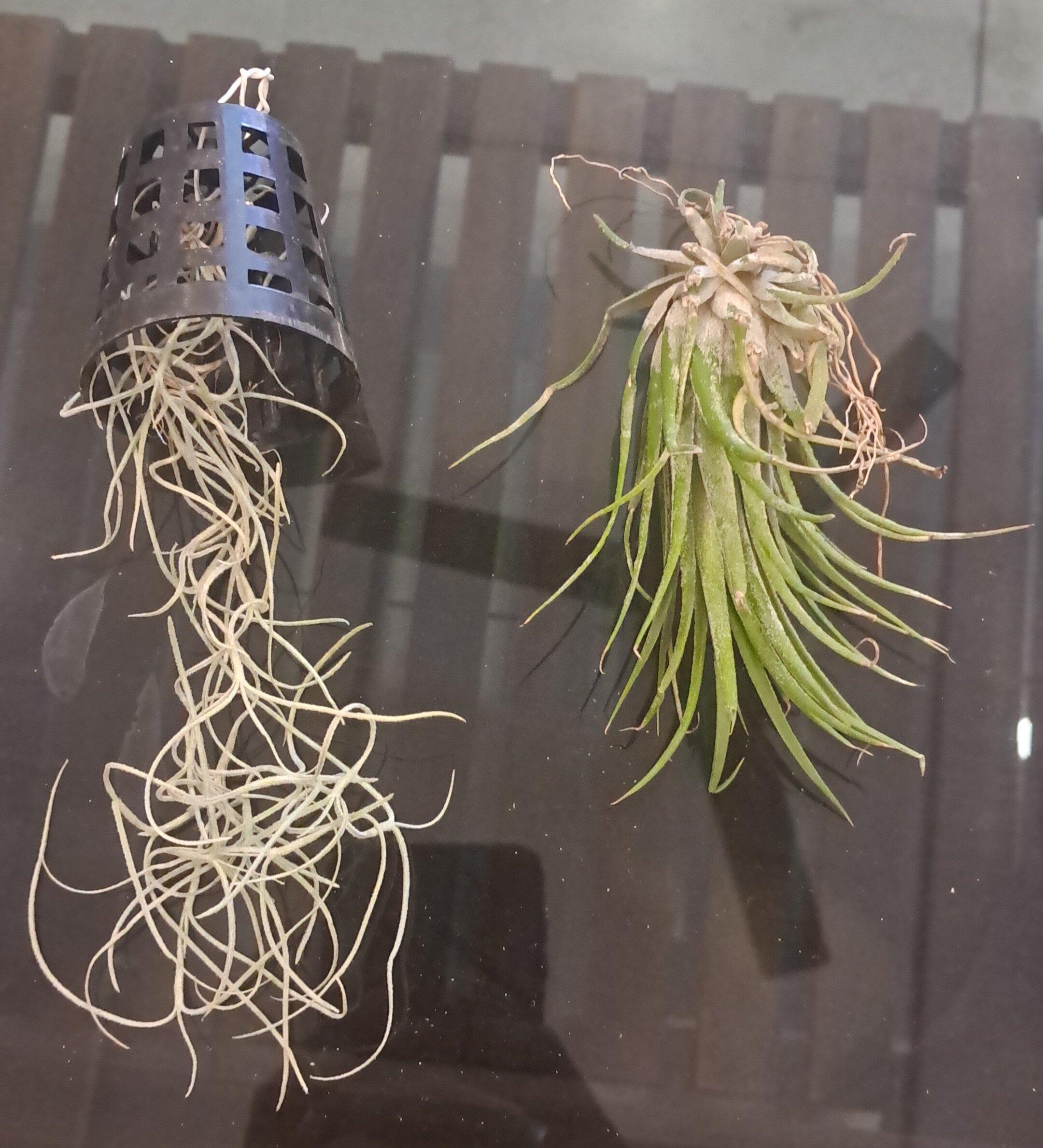
I bought Spanish moss and Tillandsia from Jiffy Plants and both came in good condition with good packing.
R
Plants are very healthy. Good packing too.
T
Excellent service and good product. Plant arrived healthy, well-packaged, and already budding. Very happy with my purchase


