

Cart
0


*Images are for reference only
×



Share this product
4.9
★
★
★
★
☆
Based on 7 reviews
We deliver within 7–10 working days.
Vendor: Jiffy Plants
Couldn't load pickup availability
100% Live & Healthy Plant
Secure payment
Healthy Roots Guarantee 🌱
Guarantee safe checkout


Ficus pumila, Wall creeper, Creeping fig - Trending Wall Creeper - With Pot
Rs. 99.00

Selling size: Single plant | Pot Size: 2.5"  ficus pumila
  ficus pumila
  ficus pumila
Ficus pumila, Wall creeper, Creeping fig : A Comprehensive Care Guide
Ficus pumila, commonly known as the creeping fig, is a versatile and popular plant renowned for its ability to cling to surfaces and create a lush, green cover. Whether you're looking to adorn a wall, trellis, or simply enjoy its trailing beauty in a hanging basket, this resilient plant is a fantastic choice. Here's a comprehensive guide to caring for your Ficus pumila:
ficus pumila Light Requirements
- Bright, indirect light: This is the ideal condition for most Ficus pumila varieties. Direct sunlight can scorch the leaves, especially during intense summer months.
- Tolerates low light: While it prefers brighter conditions, it can adapt to lower light levels. However, growth may be slower, and the leaves might become less vibrant.
Watering
- Consistent moisture: Keep the soil consistently moist but not soggy. Overwatering can lead to root rot, while underwatering can cause the leaves to wilt and drop.
- Check soil moisture: Before watering, insert your finger about an inch into the soil. If it feels dry, it's time to water.
- Reduce watering in winter: During the winter months, when growth slows down, reduce watering frequency to prevent overwatering.
Soil
- Well-draining soil: Use a well-draining potting mix that retains moisture but allows excess water to drain freely. A good mix would include a combination of peat moss, perlite, and compost.
-
Avoid heavy soils: Heavy soils can retain too much water, leading to root rot.

Temperature
- Warm temperatures: Wall creeper thrives in warm temperatures between 65°F and 75°F (18°C and 24°C).
- Avoid cold drafts: Protect your plant from cold drafts, as they can cause leaf drop and stress.
Humidity
- Moderate humidity: While it can tolerate average household humidity, it appreciates higher humidity levels.
- Increase humidity: If the air is dry, consider misting the plant regularly or placing it on a pebble tray filled with water.
Fertilizing
- Fertilize during the growing season: Feed your Plant with a balanced liquid fertilizer once or twice a month during the spring and summer growing seasons.
- Reduce fertilization in winter: Reduce or stop fertilizing during the winter months when growth slows down.
Pruning
- Regular pruning: Prune your Plant regularly to maintain its shape and control its growth.
- Remove dead or damaged leaves: Regularly remove any dead or damaged leaves to keep the plant healthy and looking its best.
Propagation
- Stem cuttings: The easiest way to propagate Plant is by taking stem cuttings. Simply cut a 4-6 inch stem tip with at least two leaves and dip it in rooting hormone. Plant the cutting in a well-draining potting mix and keep it moist.
- Air layering: This method involves making a cut in the stem, wrapping it with moist sphagnum moss, and covering it with plastic. Once roots develop, the rooted section can be cut and potted.
ficus pumila Common Problems
- Leaf drop: This can be caused by overwatering, underwatering, or changes in temperature or light conditions.
- Pest infestations: Common pests include mealybugs, scale insects, and spider mites. Treat infestations with insecticidal soap or neem oil.
- Disease: Ficus pumila is susceptible to fungal diseases like powdery mildew and root rot. Ensure proper drainage and avoid overwatering to prevent these issues.
Additional Tips
- Support: If you're growing your Ficus pumila on a wall or trellis, provide adequate support to help it climb.
- Variety: There are several varieties of Ficus pumila, including the variegated variety with white or cream-colored leaves. Choose the variety that best suits your preferences and growing conditions.
ficus pumila - Patience: Remember that Ficus pumila is a slow-growing plant. Be patient and enjoy the process of watching it grow and thrive.
By following these care tips, you can ensure that your Ficus pumila remains healthy, vibrant, and a beautiful addition to your home or garden.
Customer Reviews for Jiffy Plants
S
All the plants i recieved were in a very good condition and a recieved them wothin 2 days and the price was also good
C
Received the plants in very good condition, thank you so much.
N
Excellent service and products.
S
Had ordered ten plants in coco peat seeding capsules. It was delivered well packed and all the plants were healthy. Foliage.in platform friends were quick and very helpful with my queries. Appreciate the quality of plants and HR
J
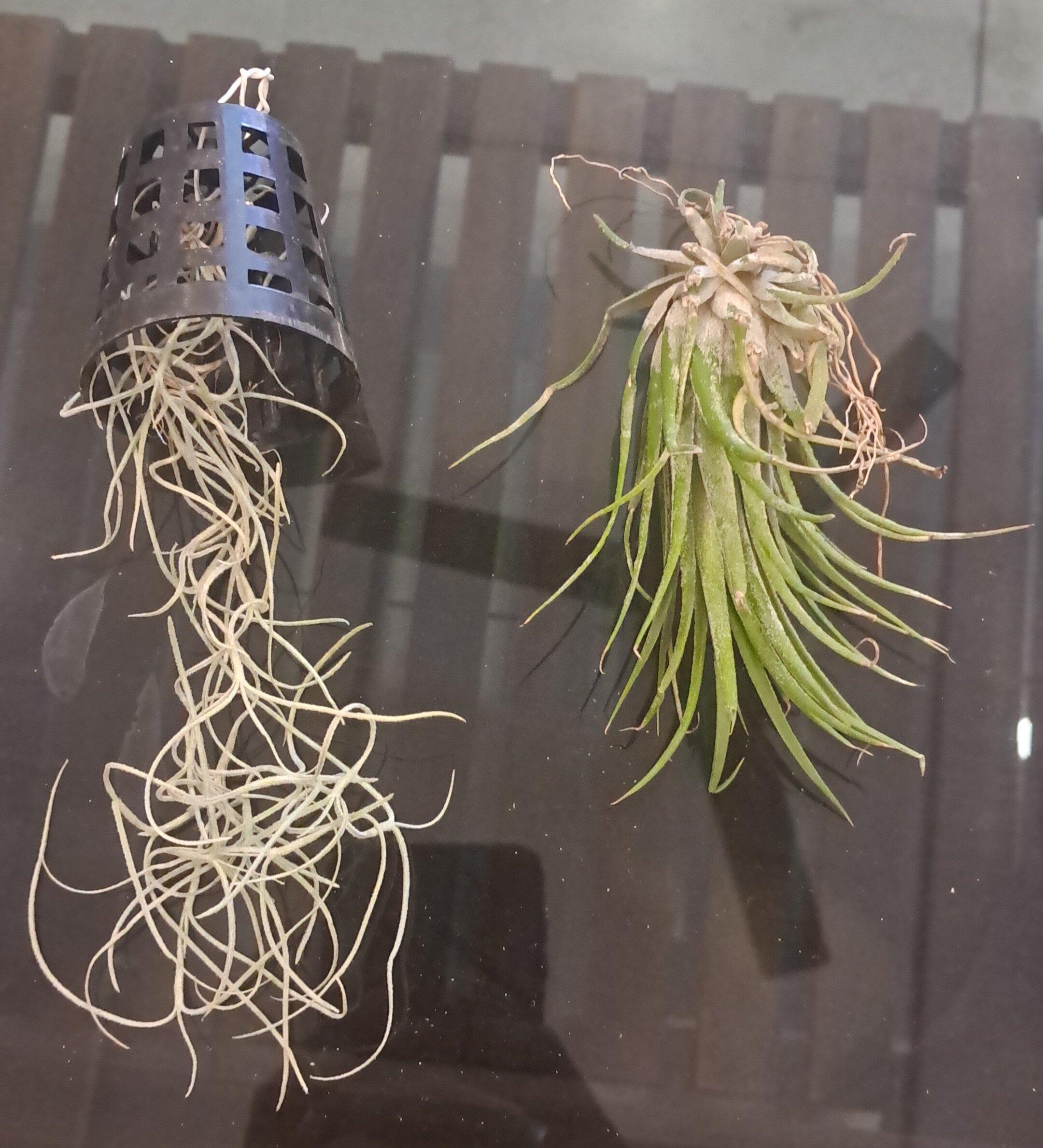
I bought Spanish moss and Tillandsia from Jiffy Plants and both came in good condition with good packing.
R
Plants are very healthy. Good packing too.
T
Excellent service and good product. Plant arrived healthy, well-packaged, and already budding. Very happy with my purchase


