

Cart
0


*Images are for reference only
×



Share this product
We deliver within 7–10 working days.
Vendor: Jiffy Plants
Couldn't load pickup availability
100% Live & Healthy Plant
Secure payment
Healthy Roots Guarantee 🌱
Guarantee safe checkout


Pilea Repens, Black Panamiga
Rs. 129.00

Size: Single Plant | Jiffy Bag
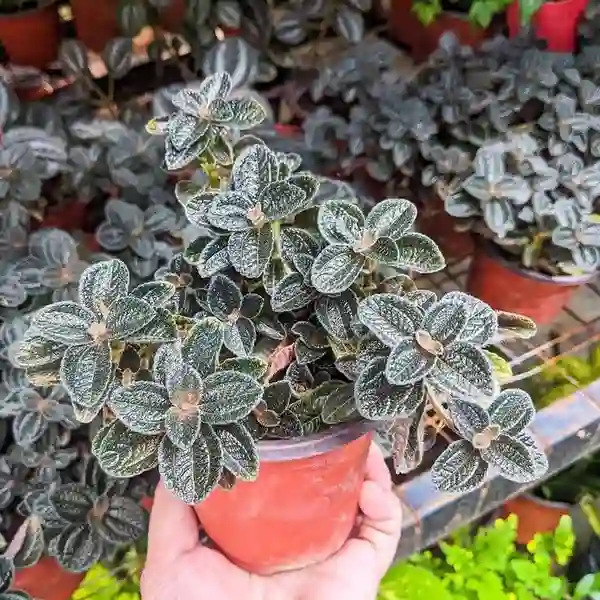
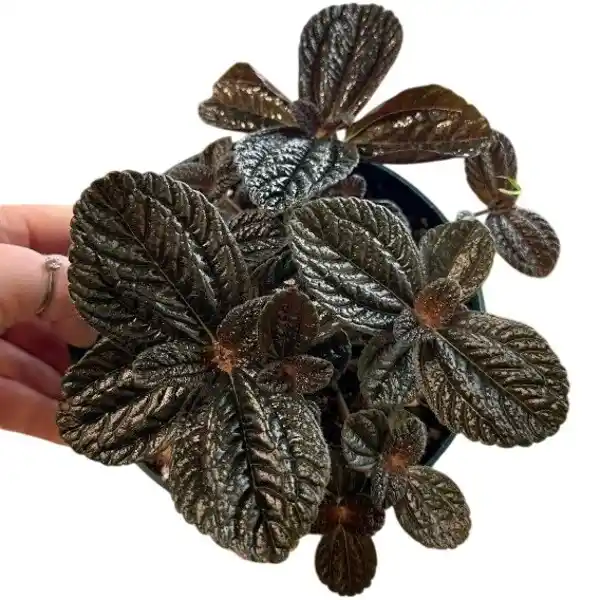
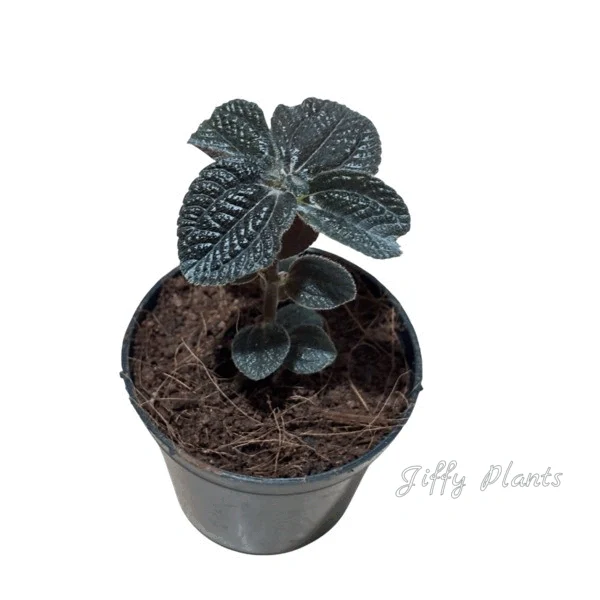
Caring for a Pilea Ripens (also known as Black Panamiga) involves understanding its specific needs to ensure it thrives.
Here's a breakdown of Pilea Repens, Black Panamiga key care aspects:
Key Care Points:
-
Light:
- Pilea repens prefers bright, indirect sunlight. Direct sunlight can scorch its leaves.
- Rotating the plant regularly is important to prevent it from growing lopsided, as it tends to grow towards the light source.
- While it can tolerate lower light, this may result in darker green leaves and a more spread-out growth pattern.
-
Watering:
- Allow the top layer of soil to dry out between waterings.
- Overwatering is a common problem and can lead to root rot. Ensure your pot has good drainage.
- Pay attention to the leaves; drooping can indicate the plant needs water.
- During the warmer months, watering will be more frequent, and less in the colder months.
-
Soil:
- Use a well-draining potting mix. A peat moss-based mix with perlite is often recommended.
- Good drainage is crucial to prevent waterlogging.
-
Temperature:
- Normal room temperatures are suitable. Avoid placing the plant near heating vents or in temperatures below 50°F (10°C).
-
Humidity:
- While it has succulent like leaves, it prefers more water than a typical succulent.
-
Fertilizing:
- Fertilize sparingly, especially during the spring and summer growing season. A diluted liquid houseplant fertilizer is suitable.
-
Propagation:
- Pilea repens is relatively easy to propagate using cuttings.
- Leaf or stem cuttings can be rooted in water or soil.
-
Repotting:
- Repotting should be done when the plant becomes root bound.
- Choose a pot slightly larger than the current one.
Important Considerations:
- Root Rot: This is a significant risk with Pilea plants. Ensure proper drainage and avoid overwatering.
- Leaf care: gently wiping down the leaves with a damp cloth can help keep them clean, and able to photosynthesize effectively.
By following these guidelines, you can help your Pilea 'Ripens' plant thrive and maintain its unique appearance.