

Cart
0


*Images are for reference only
×



Share this product
4.9
★
★
★
★
☆
Based on 7 reviews
We deliver within 7–10 working days.
Vendor: Jiffy Plants
Couldn't load pickup availability
100% Live & Healthy Plant
Secure payment
Healthy Roots Guarantee 🌱
Guarantee safe checkout


Plumbago Auriculata, Neelakoduveli
Rs. 149.00

Selling Size : Single Plant | Pot Included | Secure Packing
The Cape Plumbago (Plumbago auriculata) is a gorgeous, sprawling shrub known for its lovely clusters of blue (or sometimes white/pink) flowers. It's relatively easy to care for, especially in warmer climates.
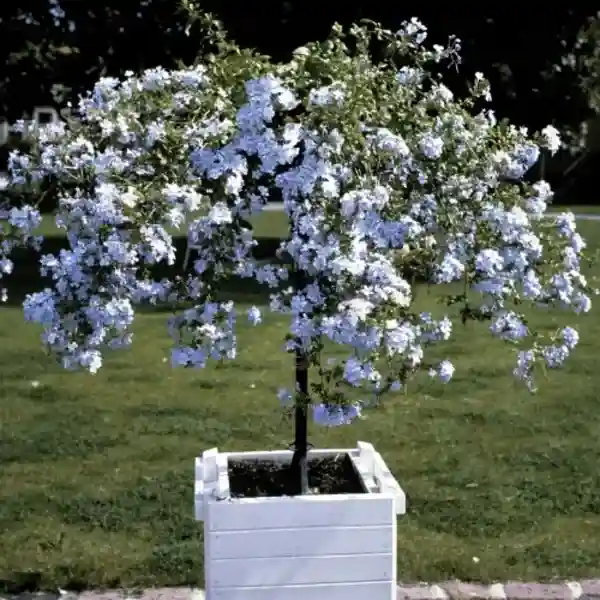 Plumbago Auriculata
 Here's a breakdown of its care requirements for Plumbago Auriculata :
Essential Care Requirements
Sunlight
- Full Sun to Partial Shade: Plumbago thrives in full sun (at least 6 hours of direct sunlight) as this encourages the most prolific flowering.
- It will tolerate partial shade but may have fewer blooms and can become more "leggy."
Soil
- Well-Drained Soil: This is crucial. It tolerates most soil types (sandy, loamy, or clay) as long as it drains well. Poor drainage can lead to root rot.
- pH: It prefers a soil that is slightly acidic to neutral (around 6.1 to 7.3). Alkaline soil (high pH) can cause yellowing leaves (chlorosis).
Water
- Drought Tolerant, but Prefers Regular Moisture: Once established, Plumbago is quite drought-tolerant.
- For the best blooming, water regularly to keep the soil consistently moist but never soggy.
- Reduce watering frequency during the cooler, dormant winter months.
Temperature and Climate
- Hardiness Zones: It is typically grown as a perennial shrub in USDA Hardiness Zones 9-11.
- Frost Tender: It is sensitive to frost. Temperatures below 25∘F can cause dieback, but it often recovers quickly in the spring.
- Cooler Climates (Zones 8 and below): You can grow it as an annual or in a container to bring indoors for the winter. If kept indoors, place it in a bright, sunny room and water sparingly.
Pruning and Maintenance
Pruning
- Regular Pruning is Key: Plumbago is a fast-growing, sprawling plant that benefits greatly from regular pruning to maintain a pleasing shape, control its size, and encourage new blooms (flowers form on new growth).
- When to Prune: The best time for major pruning is in late winter or early spring before new growth begins.
- Training: Its thin, arching branches can be trained to climb a trellis like a vine with a little help, or you can allow it to spill over walls and banks.
- Deadheading: Remove spent flower clusters regularly to promote continuous blooming.
Fertilizing
- Light Feeder: It doesn't require heavy feeding.
- Apply a balanced slow-release fertilizer (like 10-10-10) once or twice a year, typically in early spring and possibly again in autumn, during the active growing season.
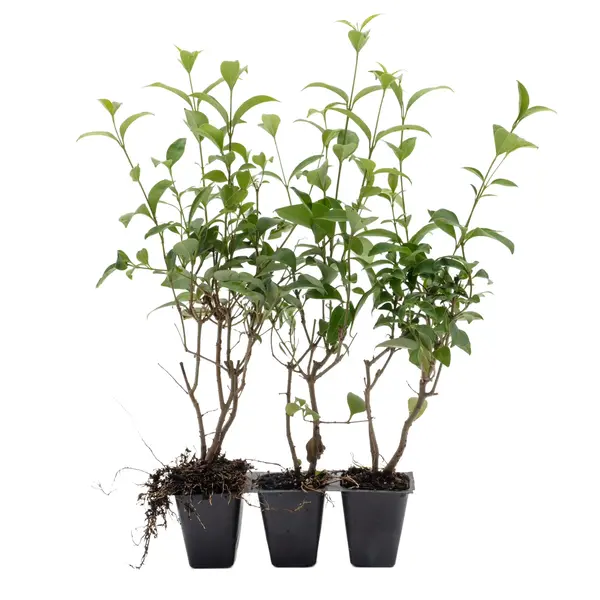 Plumbago Auriculata
 Pest and Problems
- Plumbago is generally quite resistant to serious pests and diseases.
- Watch for occasional pests like whiteflies, spider mites, or mealy bugs, especially on indoor container plants.
- Contact Dermatitis: Be aware that the plant can sometimes cause contact dermatitis, so it's a good idea to wear gloves when handling and pruning it.
Customer Reviews for Jiffy Plants
S
All the plants i recieved were in a very good condition and a recieved them wothin 2 days and the price was also good
C
Received the plants in very good condition, thank you so much.
N
Excellent service and products.
S
Had ordered ten plants in coco peat seeding capsules. It was delivered well packed and all the plants were healthy. Foliage.in platform friends were quick and very helpful with my queries. Appreciate the quality of plants and HR
J
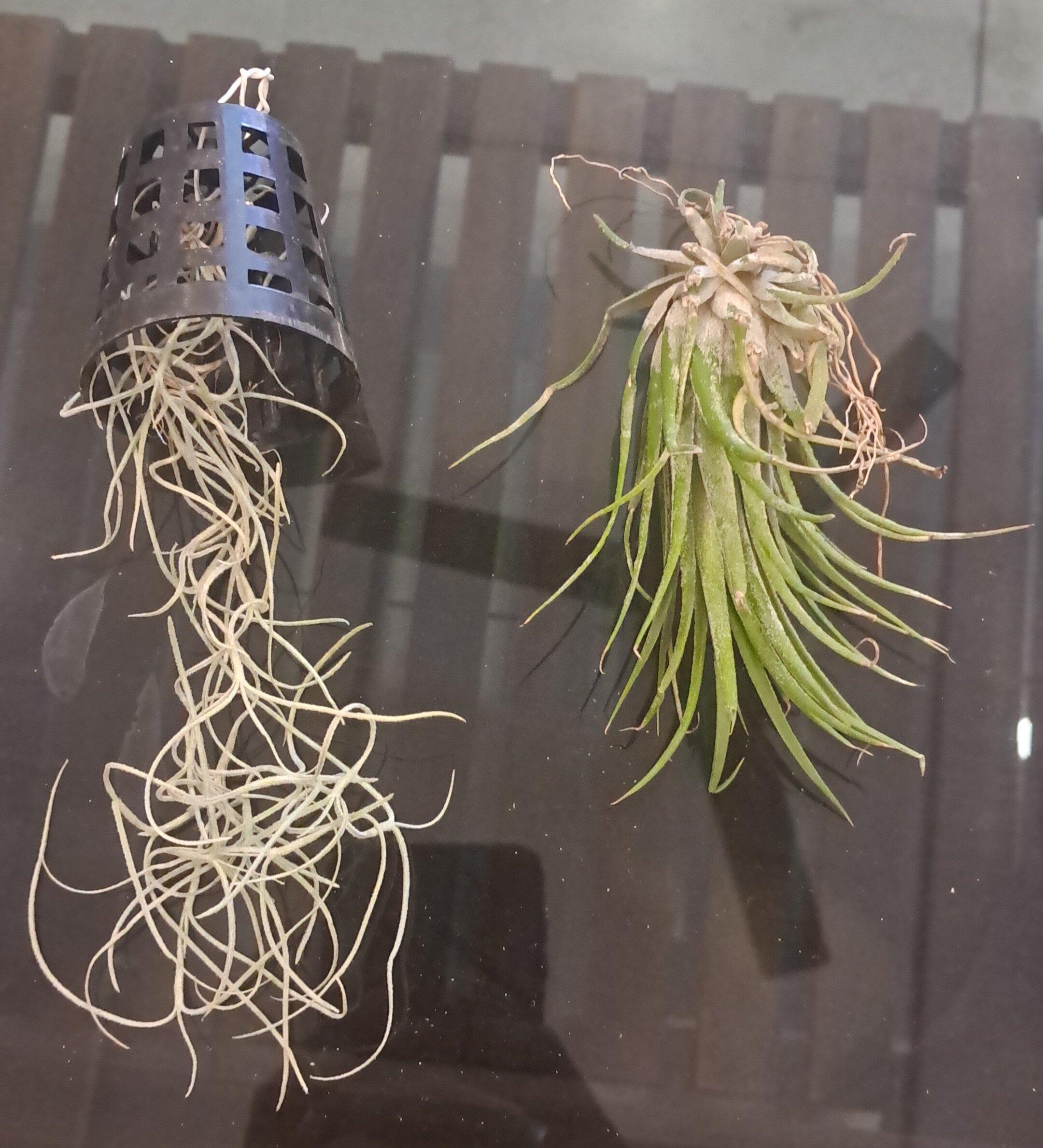
I bought Spanish moss and Tillandsia from Jiffy Plants and both came in good condition with good packing.
R
Plants are very healthy. Good packing too.
T
Excellent service and good product. Plant arrived healthy, well-packaged, and already budding. Very happy with my purchase


