

Cart
0


*Images are for reference only
×



Share this product
We deliver within 7–10 working days.
Vendor: Jiffy Plants
Couldn't load pickup availability
100% Live & Healthy Plant
Secure payment
Healthy Roots Guarantee 🌱
Guarantee safe checkout


Rambutan Fruit Plant - Grafted
Rs. 749.00

Selling Size : Single Plant | Pot Included | Secure Packing
Rambutan, a tropical evergreen tree, is renowned for its sweet, juicy fruit covered in soft, spiky hairs. Native to Southeast Asia, it requires specific conditions to thrive. While it can be a challenging plant to care for outside of a tropical climate, with the right attention, you can successfully cultivate this unique tree.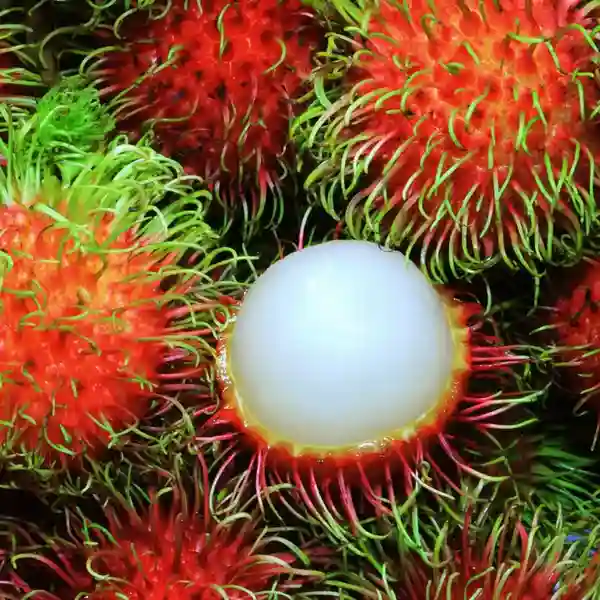 Rambutan
 Here,s a comprehensive guide care for rambutan :
Light
- Full sun is best. Rambutan trees need a minimum of 6 to 8 hours of direct sunlight per day to grow and produce fruit.
- Partial sun can also work, but it may result in less vigorous growth and a smaller yield.
- For young trees or seedlings, a location with some protection from harsh, direct midday sun can be beneficial.
Water
- Consistent moisture is crucial. Rambutan trees are shallow-rooted and are very sensitive to drought. The soil should be kept consistently moist but never waterlogged.
- Water regularly, especially during dry periods. Small, frequent waterings are often better than one long, deep soak.
- Mulch around the base of the tree to help retain soil moisture.
Soil
- Well-draining, rich, and loamy soil is ideal. Rambutan prefers a slightly acidic soil with a pH between 5.5 and 6.5.
- Avoid heavy clay soils that retain too much moisture, as this can lead to root rot.
- When planting, amend the soil with organic matter like compost to improve drainage and nutrient content.
 Rambutan
 Temperature and Humidity
- Rambutan trees are tropical heat lovers. They thrive in temperatures between 70°F and 95°F (21°C to 35°C).
- They are very sensitive to cold. Temperatures below 50°F (10°C) can damage young growth, and anything below 40°F (4°C) can cause significant leaf drop and harm the tree.
- High humidity is a must, with an ideal range of 75-80%. If you are growing a rambutan tree indoors, you may need to use a humidifier or mist the plant regularly.
Fertilizer
- Rambutan trees are heavy feeders. They require regular fertilization throughout the year, especially during the growing season.
- A balanced liquid fertilizer (like 20-20-20) can be applied regularly.
- The specific fertilizer needs may change with the tree's growth cycle. For example, a fertilizer with a higher phosphorus content (15-30-15) can be used to promote flowering, and a different ratio (20-10-30) can help with fruit set.
Pruning
- Pruning is typically minimal. The main goal is to remove dead, damaged, or diseased branches to maintain the tree's health and encourage good air circulation.
- You can also prune to maintain a manageable size, especially if growing in a container or a greenhouse.
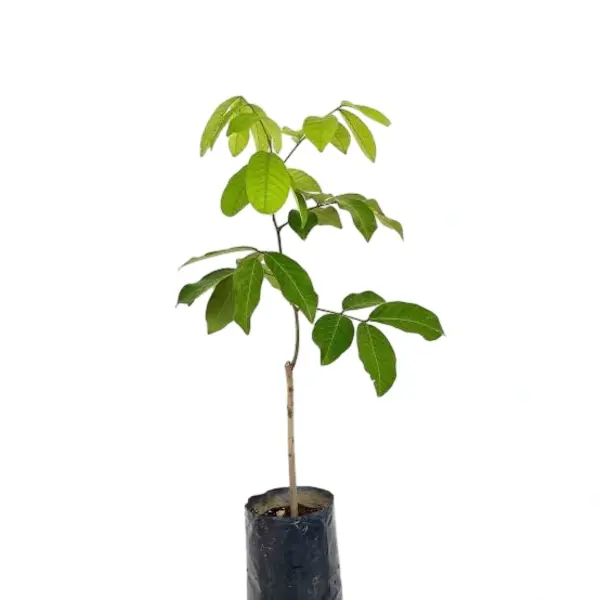 Rambutan
 Other Care Tips
- Pollination: Rambutan trees can be male, female, or hermaphrodite. For fruit production, you may need a male and female tree. However, many modern grafted cultivars are self-pollinating.
- Pests and diseases: Keep an eye out for pests like fruit flies, borers, and mealybugs. Fungal issues like powdery mildew can also occur.
- Fruiting: If grown from seed, a rambutan tree can take five to six years to produce fruit. Grafted trees can bear fruit much sooner, in as little as two to three years.