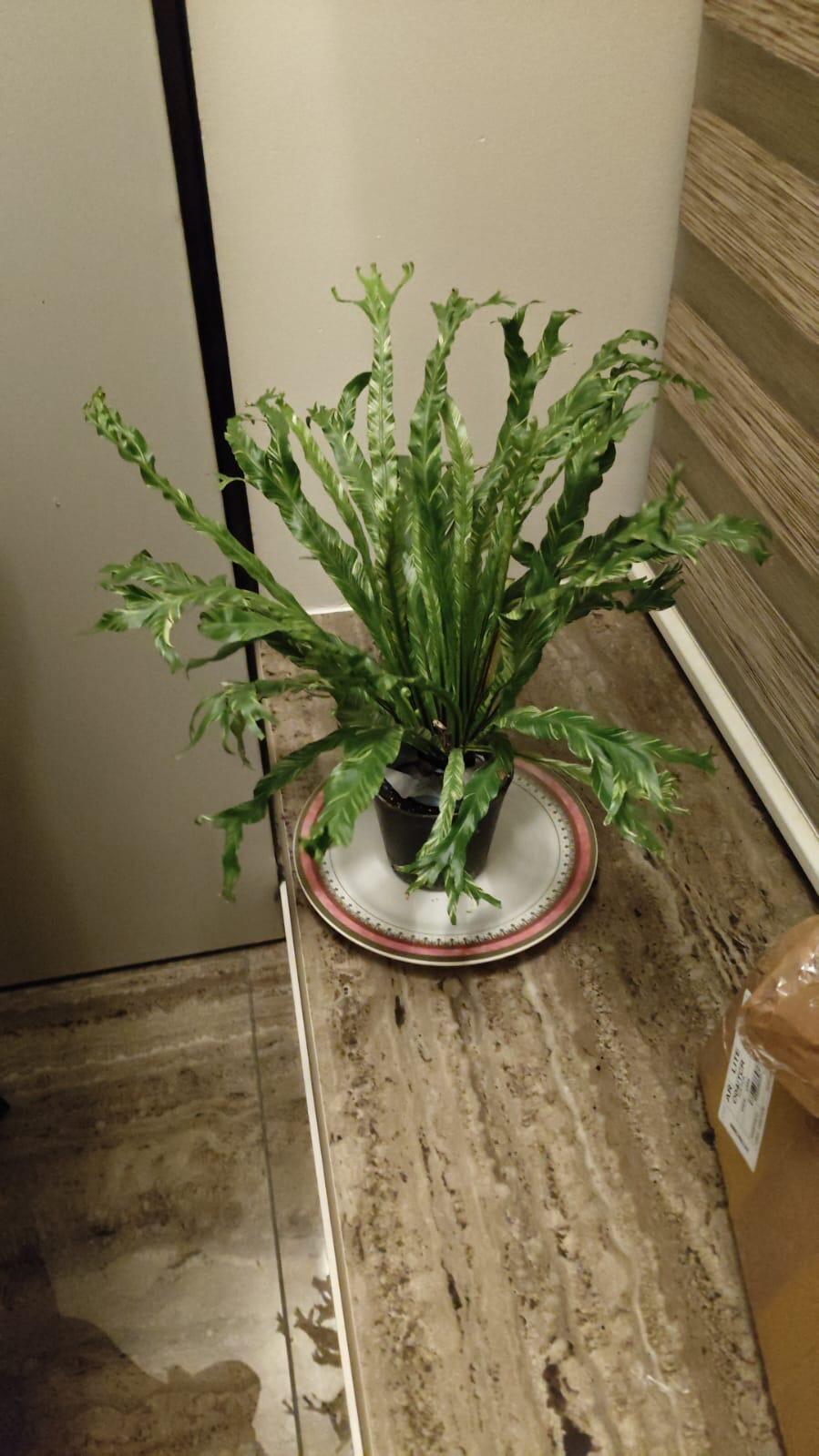
The Alocasia melo, a magnificent jewel from the rainforests of Southeast Asia, captivates with its uniquely textured, deeply veined leaves that resemble ancient dragon scales. Its robust, leathery foliage presents a striking contrast to other aroids, making it a coveted specimen for enthusiasts and collectors alike. This rare tropical beauty brings an exotic touch and sculptural elegance to any indoor space, growing into a truly stunning display.
🌟 Overview
-
Common Name: Alocasia Melo, Melo Alocasia
-
Botanical Name: Alocasia melo
-
Family: Araceae
-
Appearance: Thick, leathery, deeply veined leaves with a rough, almost sandpaper-like texture. Foliage color ranges from dark green to bluish-green.
-
Growth Habit: Upright, clumping tropical perennial.
-
Unique Feature: Its incredibly tactile foliage is distinct and highly sought after by collectors.
☀️ Light Requirements
-
Ideal: Bright, indirect light.
-
Avoid: Direct sunlight, which can scorch its sensitive leaves. Low light conditions will lead to leggy growth and duller foliage.
-
Tip: A spot near an east or north-facing window is often ideal.
💧 Water Requirements
-
Frequency: Water thoroughly when the top 1-2 inches of soil feel dry to the touch.
-
Avoid: Overwatering, which can lead to root rot. Ensure good drainage.
-
Humidity: Thrives in high humidity (60% or more). Consider a humidifier, pebble tray, or grouping with other plants.
📏 Size & Growth
-
Mature Height: Typically grows 1-2 feet tall indoors.
-
Leaf Size: Leaves can reach up to 8-12 inches in length.
-
Growth Rate: Moderate, especially with optimal conditions.
-
Container: Best grown in pots with drainage holes that allow roots to breathe.
🌍 Origin & Characteristics
-
Native Region: Southeast Asia, specifically Borneo.
-
Habitat: Found growing in the understory of tropical rainforests.
-
Distinctive Feature: The unparalleled rough, almost corrugated texture of its leaves is its most defining characteristic, often described as feeling like dinosaur skin.
-
Appeal: Prized for its architectural form and unique tactile foliage, making it a statement plant in any collection.
📇 Toxicity & Safety Warning
-
Toxicity: All parts of the Alocasia melo plant are toxic if ingested due to the presence of calcium oxalate crystals.
-
Symptoms: Ingestion can cause irritation of the mouth, throat, and digestive tract.
-
Safety: Keep out of reach of children and pets. Wear gloves when handling if you have sensitive skin, as sap can cause irritation.
❓ Frequently Asked Questions
Q: Why are the leaves of my Alocasia melo turning yellow?
A: Yellowing leaves can indicate overwatering, nutrient deficiency, or sometimes natural aging of older leaves. Check your watering schedule and ensure adequate drainage.
Q: Does Alocasia melo need high humidity?
A: Yes, Alocasia melo thrives in high humidity. Without it, leaf edges may brown or new leaves may struggle to unfurl properly. A humidifier or pebble tray can help.
Q: How do I get my Alocasia melo to produce larger leaves?
A: Providing consistent bright, indirect light, stable humidity, regular fertilization during the growing season, and allowing the plant to establish in a suitably sized pot will encourage larger, healthier leaf growth.