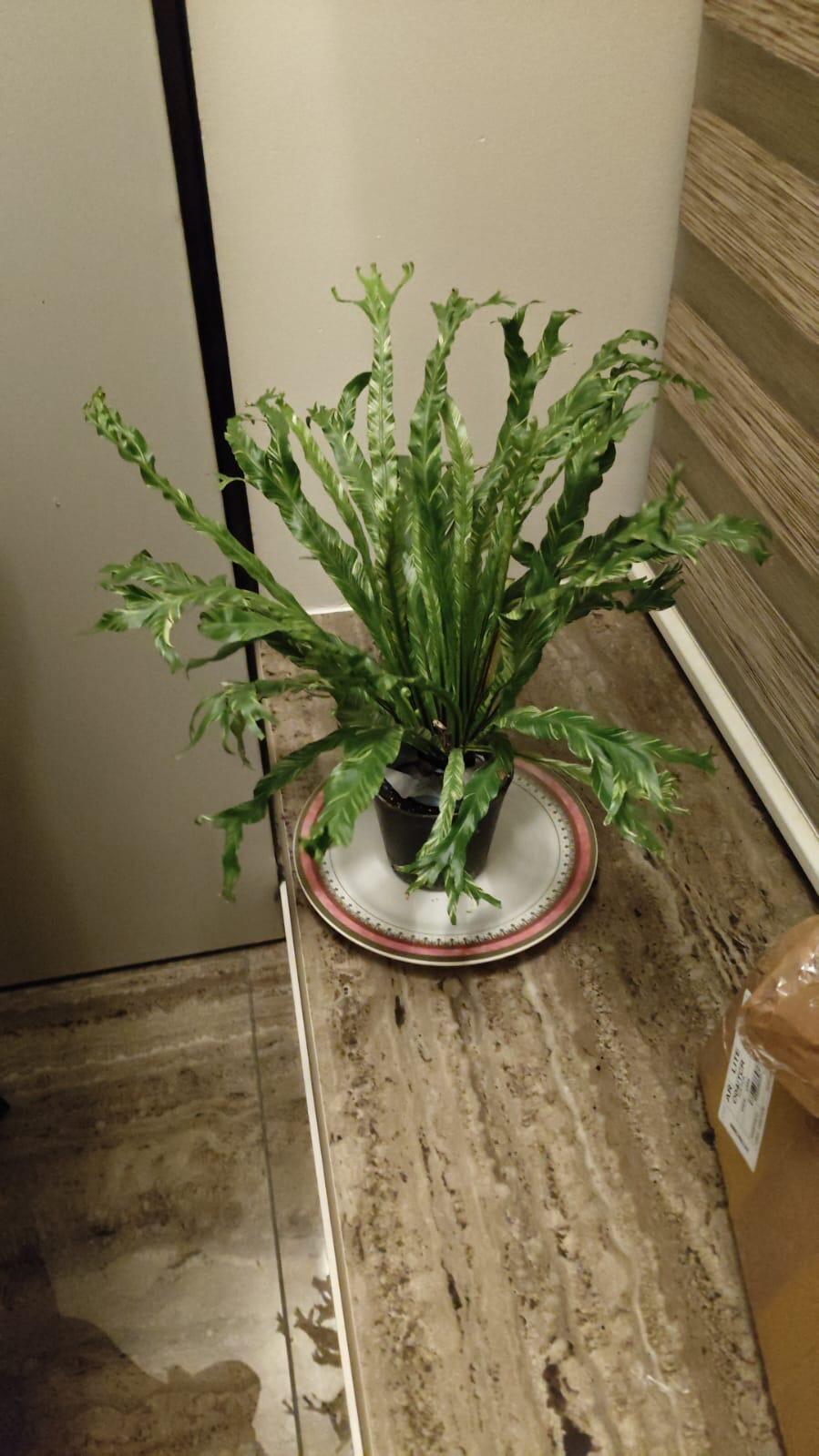
Anthurium plants, renowned for their striking foliage and unique inflorescences, are celebrated jewels of the tropical understory. Hailing from the humid rainforests of Central and South America, these diverse aroids captivate with their often heart-shaped, deeply lobed, or elongated leaves, frequently boasting a luxurious velvety texture. Their vibrant presence adds an exotic touch to any indoor collection, making them highly sought after by enthusiasts worldwide.
🌟 Overview
The Anthurium Brownii, a remarkable hybrid, showcases magnificent, deeply lobed, and richly textured leaves that command attention. Its dark green foliage, often exhibiting a subtle sheen and prominent veining, creates a dramatic display, embodying the lush beauty of its jungle origins. This variety is cherished for its robust growth and distinctive leaf form, making it a standout specimen among aroid collectors.
☀️ Light Requirements
- Thrives in bright, indirect light.
- Avoid direct sunlight, which can scorch its delicate leaves.
- Can tolerate medium light conditions but growth may be slower.
💧 Water Requirements
- Water thoroughly when the top 1-2 inches of soil feel dry to the touch.
- Ensure good drainage to prevent root rot.
- Reduce watering frequency in cooler months.
- Prefers high humidity; consider a humidifier or pebble tray.
📏 Size & Growth
- Typically grows to a height of 1-2 feet indoors.
- Can spread similarly, forming a compact, bushy plant.
- Growth rate is moderate under optimal conditions.
- Leaf size can vary but often reaches 8-12 inches in length.
🌍 Origin & Characteristics
- Hybrid originating from tropical regions, blending desirable traits of its parent species.
- Distinctive large, deeply lobed, dark green leaves.
- Valued for its striking foliage rather than traditional Anthurium 'flowers' (spathes and spadix).
- Adds a touch of sophisticated, lush greenery to any space.
📇 Toxicity & Safety Warning
- All parts of the Anthurium Brownii are considered toxic if ingested.
- Keep out of reach of children and pets.
- May cause oral irritation, burning, swelling, and digestive upset if consumed.
- Wear gloves when handling if you have sensitive skin.
❓ Frequently Asked Questions
Q: Why are my Anthurium Brownii leaves turning yellow?
A: Yellowing leaves often indicate overwatering or underwatering. Check your soil moisture; if it's consistently soggy, reduce watering. If it's bone dry, increase frequency. It can also be a sign of nutrient deficiency or too much direct sunlight.
Q: How often should I fertilize my Anthurium Brownii?
A: Fertilize every 2-4 weeks during the growing season (spring and summer) with a balanced liquid fertilizer diluted to half strength. Reduce or stop fertilization during fall and winter.
Q: Can Anthurium Brownii be grown outdoors?
A: Anthurium Brownii can be grown outdoors only in USDA hardiness zones 10-12, where temperatures remain consistently warm and frost-free. Otherwise, it thrives as an indoor houseplant.