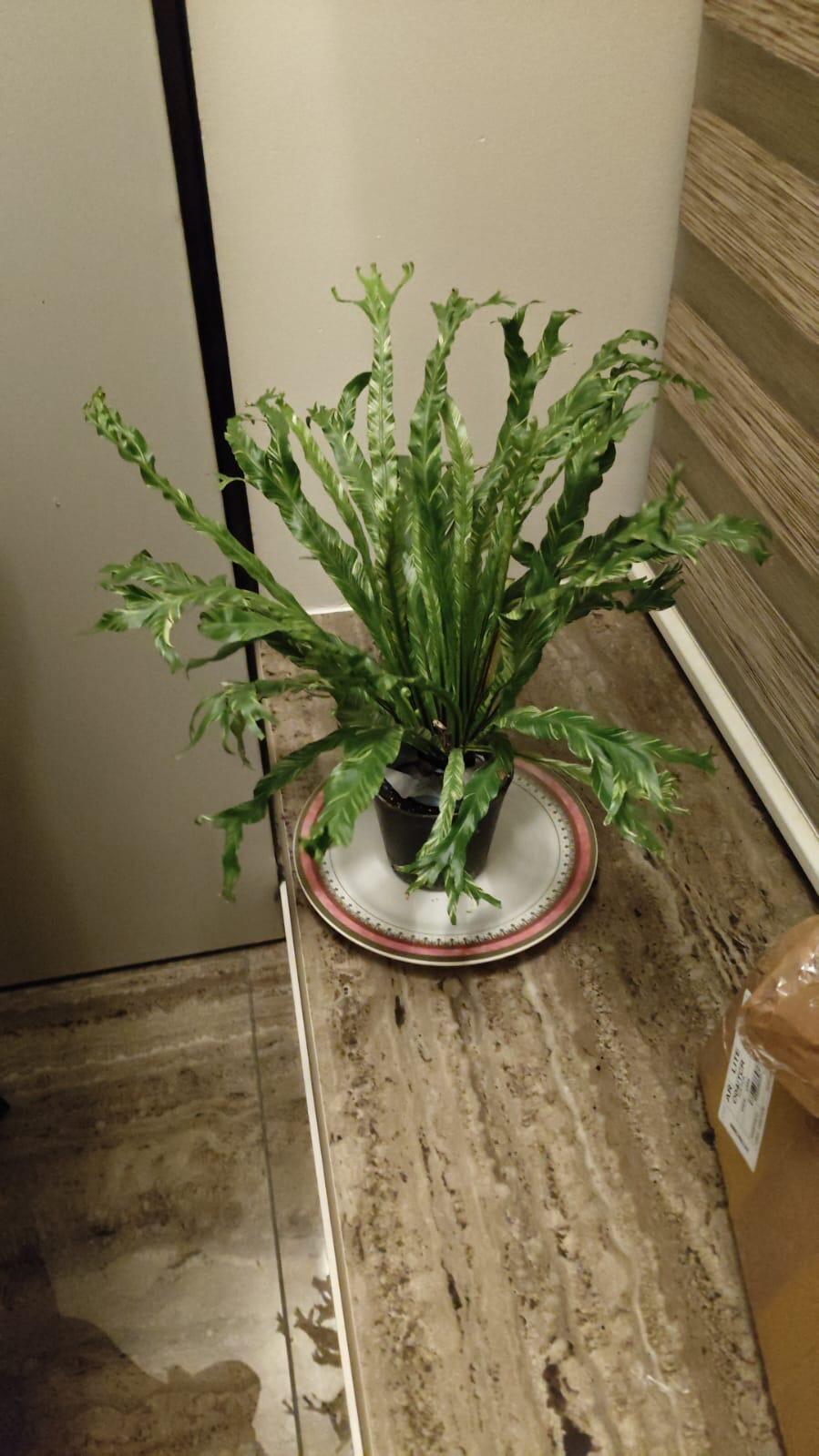
The exquisite
Nephrolepis exaltata, widely cherished as the Boston Fern, brings a vibrant, lush aesthetic to any indoor space. Native to the humid, shaded understories of tropical and subtropical regions across the globe, this classic fern is celebrated for its gracefully arching, feather-like fronds that create a rich, verdant display. Beyond its visual charm, the Boston Fern is also a renowned air purifier, effectively enhancing your home's air quality.
🌟 Overview
- The Boston Fern is a timeless houseplant admired for its dense, ruffled foliage and elegant, arching form.
- It's an excellent choice for adding a touch of natural beauty and a soothing green presence to living rooms, bathrooms, or offices.
- Known for its ability to thrive in a variety of indoor settings with proper care, making it a beloved plant for enthusiasts.
☀️ Light Requirements
- Prefers bright, indirect light. Avoid direct sunlight, which can scorch its delicate fronds.
- Ideal spots include north-facing windows or a few feet away from east or west-facing windows.
- Tolerates lower light conditions but may grow slower and produce less dense foliage.
💧 Water Requirements
- Keep soil consistently moist but not waterlogged. Water thoroughly when the top inch of soil feels slightly dry to the touch.
- Reduce watering slightly in winter.
- Requires high humidity. Mist daily, place near a humidifier, or use a pebble tray filled with water.
- Use filtered or rainwater if possible, as ferns can be sensitive to chemicals in tap water.
📏 Size & Growth
- Typically grows to about 2-3 feet (60-90 cm) in height and width indoors.
- Fast-growing when provided with optimal conditions, producing new fronds frequently.
- Can be pruned to maintain desired shape and size, removing yellow or brown fronds.
🌍 Origin & Characteristics
- Native to tropical and subtropical regions worldwide, including Florida, Mexico, Central and South America, and parts of Africa.
- Characterized by its long, pinnate (feather-like) fronds, which can be smooth or intricately ruffled depending on the cultivar.
- A resilient plant that can adapt to indoor environments, bringing a piece of its humid forest home to you.
📇 Toxicity & Safety Warning
- The Boston Fern (Nephrolepis exaltata) is considered non-toxic to humans and pets, making it a safe choice for homes with children and animals.
- However, it's always best to discourage pets from ingesting any houseplant material.
❓ FAQs
Q: Why are my Boston Fern's fronds turning yellow or brown?
A: Yellowing or browning fronds are often a sign of insufficient humidity, underwatering, or too much direct sunlight. Ensure consistent moisture, increased humidity, and bright, indirect light.
Q: How often should I fertilize my Boston Fern?
A: Fertilize every 2-4 weeks during the growing season (spring and summer) with a balanced, liquid fertilizer diluted to half strength. Do not fertilize in fall and winter.
Q: Can Boston Ferns purify the air?
A: Yes, Boston Ferns are excellent air purifiers, known for effectively removing common indoor air pollutants such as formaldehyde, xylene, and toluene, contributing to a healthier indoor environment.