

Cart
0

*Images are for reference only
×



Share this product
4.4
★
★
★
★
☆
Based on 11 reviews
We deliver within 7–10 working days.
Vendor: Jiffy Plants
Couldn't load pickup availability
100% Live & Healthy Plant
Secure payment
Healthy Roots Guarantee 🌱
Guarantee safe checkout


Bulbophyllum Truncatum Rare Miniature Orchid Plant
Rs. 2,199.00

Selling Size: Single Plant | Pot Included | Secure Packing | Free Shipping
Discover the enchanting Bulbophyllum Truncatum, a miniature to small-sized orchid prized for its exceptionally unique flowers and delicate form. This epiphytic beauty thrives when its native tropical, humid habitat is mimicked, making it a rewarding addition for collectors.
Known for its distinctive bloom, the Bulbophyllum Truncatum requires specific care to flourish, including bright, indirect light and consistent moisture. It's an ideal plant for terrariums or mounted displays, where its creeping rhizomes can spread naturally. Supplied as a single plant with a pot included, ensuring secure packing and free shipping to your door.

Plant Care & Specifications:
- Light: Bright, indirect light; avoid direct sun.
- Watering: Keep consistently moist, allowing the potting medium to just approach dryness between waterings.
- Humidity: Crucially high humidity (60%+ ideal).
- Temperature: Warm to cool-growing (20 to 27 Celcius day, slight drop at night).
- Potting: Prefers being mounted or in a shallow pot with a coarse, well-draining mix (fine orchid bark, sphagnum moss, perlite).
Frequently Asked Questions:
Q: Is this orchid suitable for beginners?
A: Bulbophyllum Truncatum can be a bit more challenging than some other orchids due to its specific humidity and watering needs, making it better suited for intermediate to experienced orchid enthusiasts.
Q: What type of pot does it come in?
A: The plant is supplied as a single specimen with a suitable pot included, ready for transplanting or continued growth.
Customer Reviews for Jiffy Plants
F
Is the venus fly trap really in good condition if anyone has bought it.
A
Plant were all had pest holes
R
Plants were healthy and packing was quite good!! Happy with my plants
S
I received all the plants that I ordered in excellent condition. The packaging was perfect and the plants arrived as if I brought them from a nursery personally.
S
All the plants i recieved were in a very good condition and a recieved them wothin 2 days and the price was also good
C
Received the plants in very good condition, thank you so much.
N
Excellent service and products.
S
Had ordered ten plants in coco peat seeding capsules. It was delivered well packed and all the plants were healthy. Foliage.in platform friends were quick and very helpful with my queries. Appreciate the quality of plants and HR
J
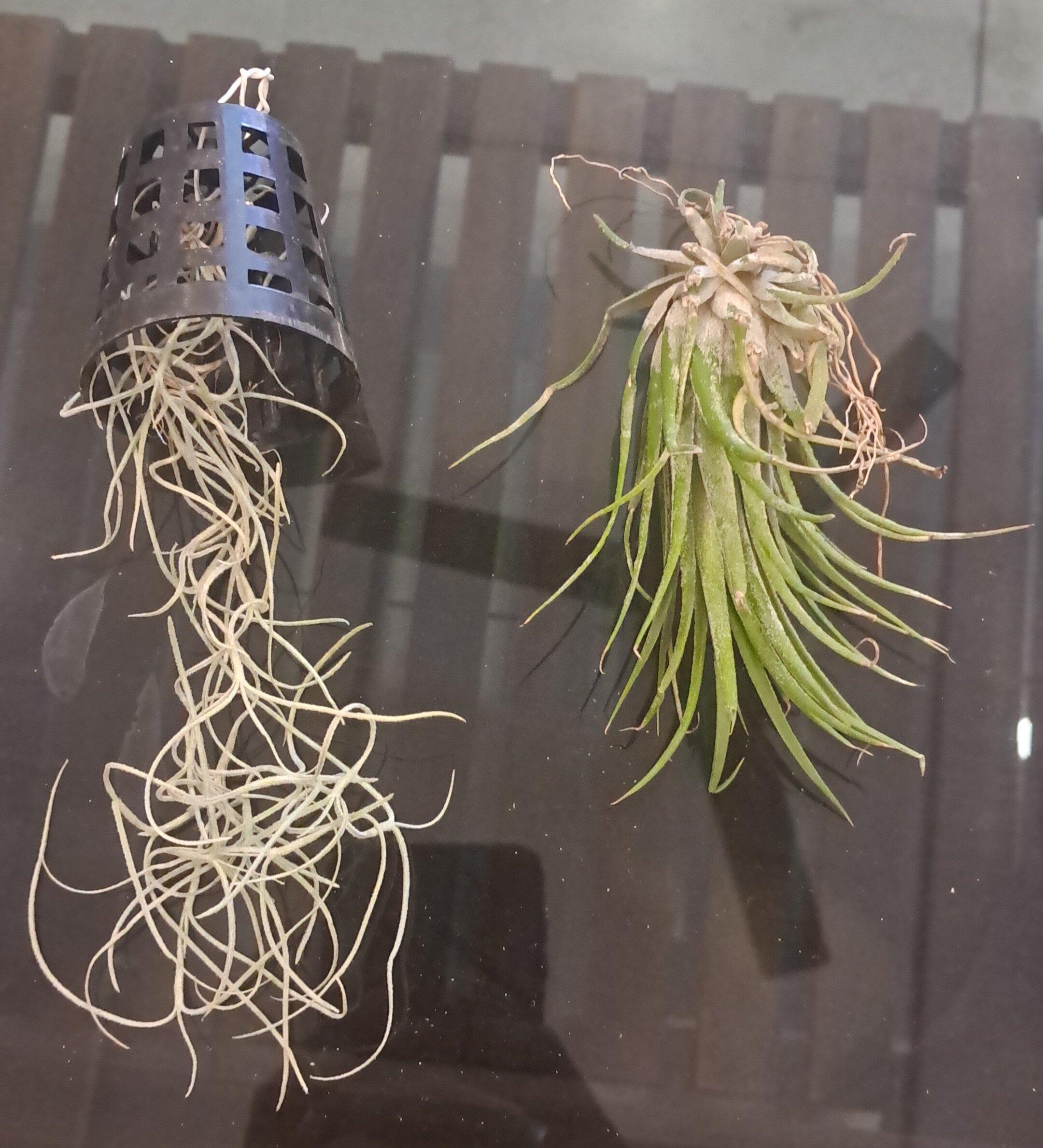
I bought Spanish moss and Tillandsia from Jiffy Plants and both came in good condition with good packing.
R
Plants are very healthy. Good packing too.
T
Excellent service and good product. Plant arrived healthy, well-packaged, and already budding. Very happy with my purchase


