

Cart
0


*Images are for reference only
×



Share this product
4.4
★
★
★
★
☆
Based on 13 reviews
We deliver within 7–10 working days.
Vendor: Jiffy Plants
Couldn't load pickup availability
100% Live & Healthy Plant
Secure payment
Healthy Roots Guarantee 🌱
Guarantee safe checkout


Colocasia Diamond Head
Rs. 759.00

Selling Part : A Rhizome | Secure Packing | Free Delivery
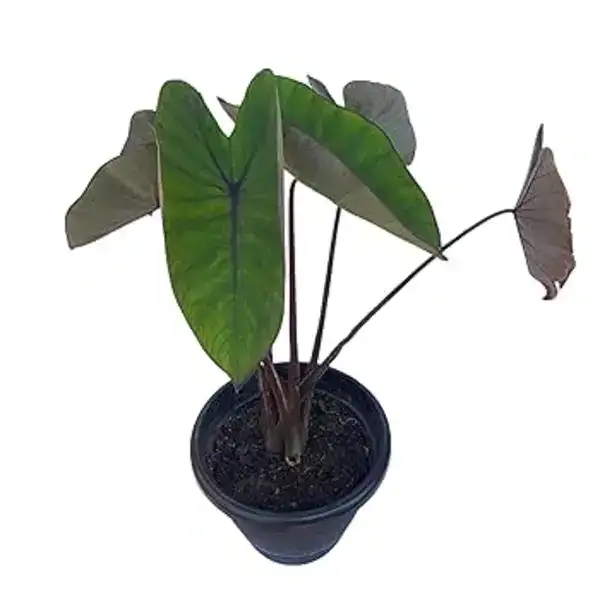
The 'Diamond Head' variety of Colocasia esculenta is a standout for its incredibly dark, almost black, and glossy foliage. It's named after the famous volcanic cone in Hawaii, and its care requirements are similar to other Colocasia varieties, with a few key differences to ensure you get that deep, lustrous color.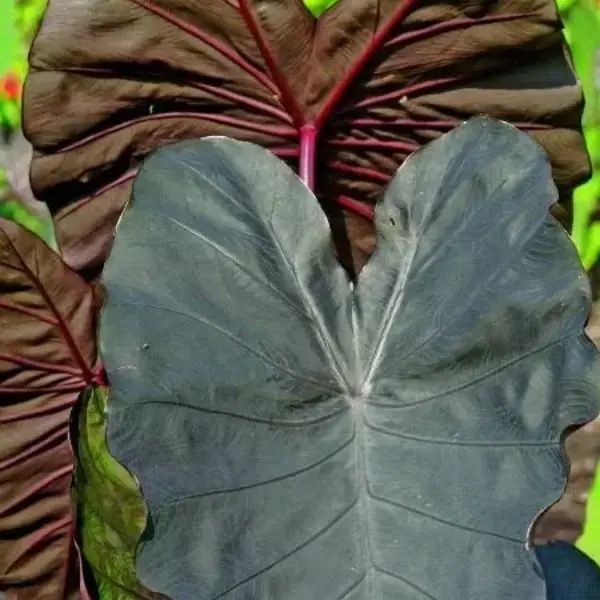 Diamond Head
 Here's a comprehensive guide care for a diamond head :
Light
- Full sun to partial sun is best. To get the deepest, most vibrant purple-black color, 'Diamond Head' needs plenty of sunlight. In shade, the leaves will appear more dark green and lose their signature luster.
- Provide some afternoon shade in extremely hot climates to prevent the leaves from scorching.
Water
- A "water-loving" plant. Like other elephant ears, 'Diamond Head' thrives in consistently moist to wet conditions. It can even be planted in up to 6 inches of standing water, making it a perfect choice for bog gardens, pond margins, or water features.
- Do not let the soil dry out. If the soil becomes too dry, the leaf edges can burn and the plant will wilt.
Soil
- Rich, organic, and fertile soil is a must. A humus-rich soil that holds moisture well is ideal.
- Adding compost or other organic matter to the soil will provide the nutrients this heavy feeder needs to grow large, striking leaves.
Temperature and Humidity
- Loves heat and humidity. 'Diamond Head' is a tropical plant that performs best in warm temperatures between 70-95°F (21-35°C).
- It is frost-tender. In colder climates, it must be protected from frost.
- High humidity is a plus and helps the plant maintain its healthy, tropical appearance.
Fertilization
- A heavy feeder. To support its vigorous growth, fertilize regularly during the growing season (spring and summer).
- Use a balanced or slightly nitrogen-rich fertilizer every two weeks, or mix in a slow-release granular fertilizer at the beginning of the season.
Overwintering
- Hardy in USDA Zones 8-11. In these warmer zones, the tubers can be left in the ground and will come back the following year.
-
In colder zones (7 and below), you will need to bring the plant indoors for the winter. You can:
- Grow it as a houseplant: Keep it in a pot and bring it inside before the first frost. Provide it with good light and continue to water, but you can reduce the frequency of watering and feeding.
- Store the tubers: After the first frost has killed the foliage, cut back the stems, dig up the tubers, and allow them to dry for a few days. Store them in a cool, dark, and dry place (like in dry peat moss or wood shavings) where the temperature stays above 45°F (7°C).
 Diamond Head
 Other Tips
- Wind protection: The large leaves can be easily damaged by strong winds, so choose a sheltered location for your plant.
- Pruning: Remove any yellowing, damaged, or dead leaves to encourage new growth and maintain a tidy appearance.
- Pest control: Keep an eye out for common pests like spider mites, aphids, and whiteflies.
- Toxicity: All parts of the plant are considered toxic if ingested without proper cooking, and the sap can be a skin irritant. Exercise caution with pets and small children.
Customer Reviews for Jiffy Plants
F
Is the venus fly trap really in good condition if anyone has bought it.
A
Plant were all had pest holes
R
Plants were healthy and packing was quite good!! Happy with my plants
S
I received all the plants that I ordered in excellent condition. The packaging was perfect and the plants arrived as if I brought them from a nursery personally.
P
Excellent
S
All the plants i recieved were in a very good condition and a recieved them wothin 2 days and the price was also good
C
Received the plants in very good condition, thank you so much.
N
Excellent service and products.
T
This plant came in good condition
S
Had ordered ten plants in coco peat seeding capsules. It was delivered well packed and all the plants were healthy. Foliage.in platform friends were quick and very helpful with my queries. Appreciate the quality of plants and HR
J
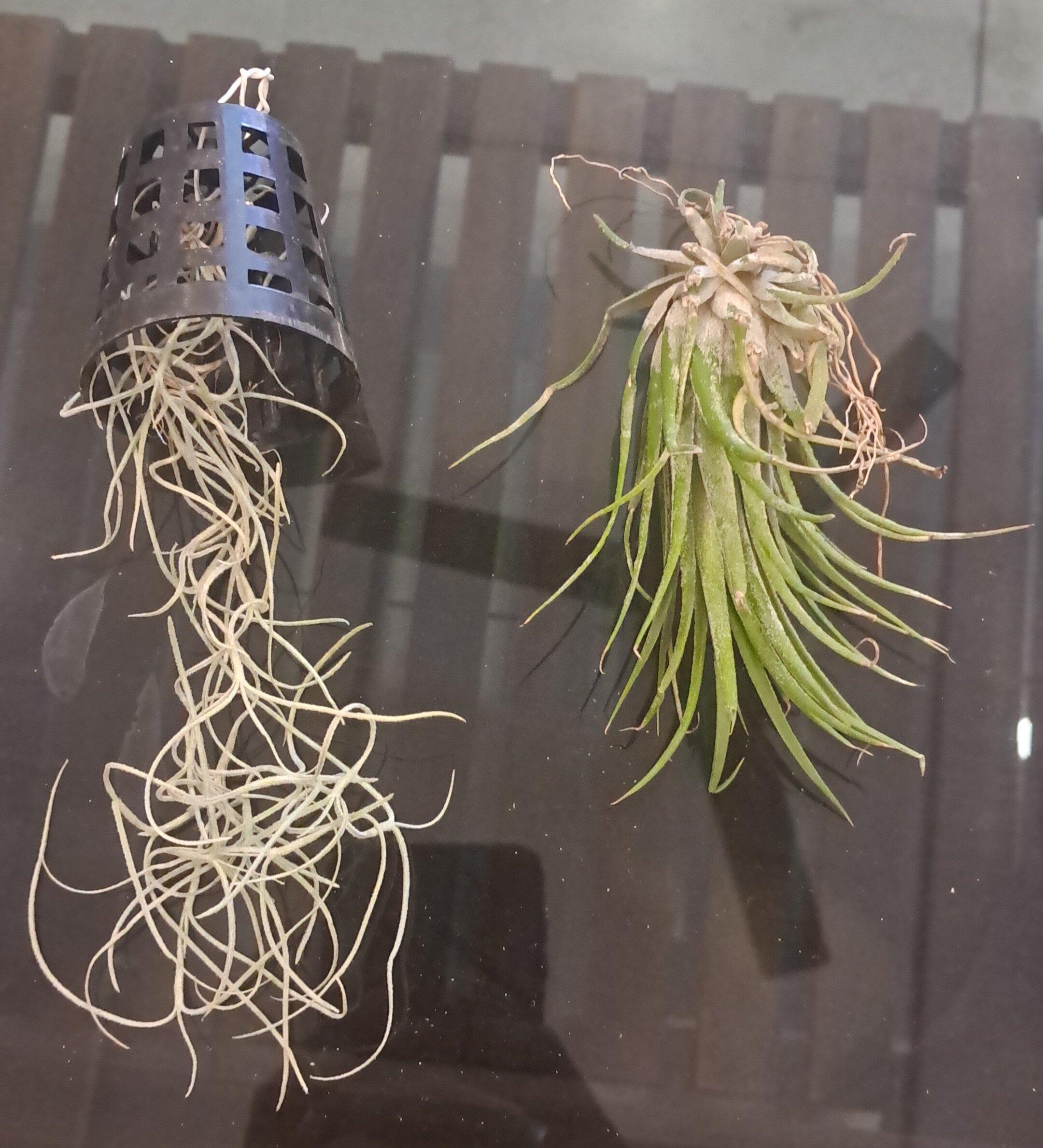
I bought Spanish moss and Tillandsia from Jiffy Plants and both came in good condition with good packing.
R
Plants are very healthy. Good packing too.
T
Excellent service and good product. Plant arrived healthy, well-packaged, and already budding. Very happy with my purchase