

Cart
0


*Images are for reference only
×



Share this product
4.4
★
★
★
★
☆
Based on 13 reviews
We deliver within 7–10 working days.
Vendor: Jiffy Plants
Couldn't load pickup availability
100% Live & Healthy Plant
Secure payment
Healthy Roots Guarantee 🌱
Guarantee safe checkout


Cryptanthus Bivittatus Pink Starlight - Jiffy Bag
Rs. 125.00

Size: Single Plant | 2.5" Pot Included
The Cryptanthus Bivittatus 'Pink Starlight', also known as the Earth Star or Starfish Plant, is a striking, low-maintenance terrestrial bromeliad. It's grown for its vibrant, star-like foliage. Cryptanthus Bivittatus Pink Starlight
 Here is a care guide for the Cryptanthus Bivittatus Pink Starlight :
1. Light
- Bright, Indirect Light is Best: This is crucial for maintaining the plant's brilliant pink and red coloration. A spot near an east or west-facing window is often ideal.
- Avoid Direct Sun: Strong, direct midday sunlight can scorch or bleach the leaves.
- Low Light Warning: Too little light will cause the vibrant colors to fade and the leaves to turn a duller green.
2. Watering
- Keep Soil Consistently Moist, But Not Soggy: Water thoroughly when the top 1-2 inches of the soil feel dry to the touch.
- Drainage is Essential: Use a pot with drainage holes and ensure excess water is never left standing in the saucer, as this will lead to root rot.
- Watering Technique: Water the soil directly, avoiding pouring water into the center "cup" or rosette of the leaves, as this can cause crown rot.
- Water Type (Optional): As a bromeliad, it can be sensitive to chemicals in tap water (like fluoride), so using distilled water or rainwater can be beneficial.
 Cryptanthus Bivittatus Pink Starlight
 3. Humidity & Temperature
-
High Humidity is Preferred: Native to the Brazilian rainforest floor, this plant thrives in medium to high humidity (50-90%).
- To increase humidity, you can mist regularly, place the pot on a pebble tray with water, or grow it in a terrarium.
- Warm Temperatures: Maintain average room temperatures, ideally between 60°F to 80°F (15°C to 27°C). Avoid cold drafts or temperatures below 50∘F (10∘C).
4. Soil and Potting
- Well-Draining Soil: Use a rich, well-draining mix. A mix designed for bromeliads, orchids, or a standard potting mix amended with perlite, coarse sand, or bark is a good choice.
- Shallow Roots: Cryptanthus have relatively shallow root systems and do not need deep pots.
- Repotting: Repotting is infrequent, only necessary when the plant outgrows its container or to separate pups.
5. Fertilizing
- Fertilize Lightly: Fertilize sparingly, only during the growing season (spring and summer), about once a month.
- Dilution: Use a balanced liquid houseplant fertilizer diluted to a quarter or half strength. Too much fertilizer can cause the plant's vibrant colors to fade.
 Cryptanthus Bivittatus Pink Starlight
 6. Propagation
- Pups (Offsets): The plant is monocarpic, meaning the mother plant will slowly die after flowering, but not before producing small offsets called "pups" at its base.
- Separation: You can gently remove a pup when it is about one-third the size of the mother plant. Allow the cut surface to callus over for a day or two before planting it in its own small pot with a well-draining mix.
Customer Reviews for Jiffy Plants
F
Is the venus fly trap really in good condition if anyone has bought it.
A
Plant were all had pest holes
R
Plants were healthy and packing was quite good!! Happy with my plants
S
I received all the plants that I ordered in excellent condition. The packaging was perfect and the plants arrived as if I brought them from a nursery personally.
P
Excellent
S
All the plants i recieved were in a very good condition and a recieved them wothin 2 days and the price was also good
C
Received the plants in very good condition, thank you so much.
N
Excellent service and products.
T
This plant came in good condition
S
Had ordered ten plants in coco peat seeding capsules. It was delivered well packed and all the plants were healthy. Foliage.in platform friends were quick and very helpful with my queries. Appreciate the quality of plants and HR
J
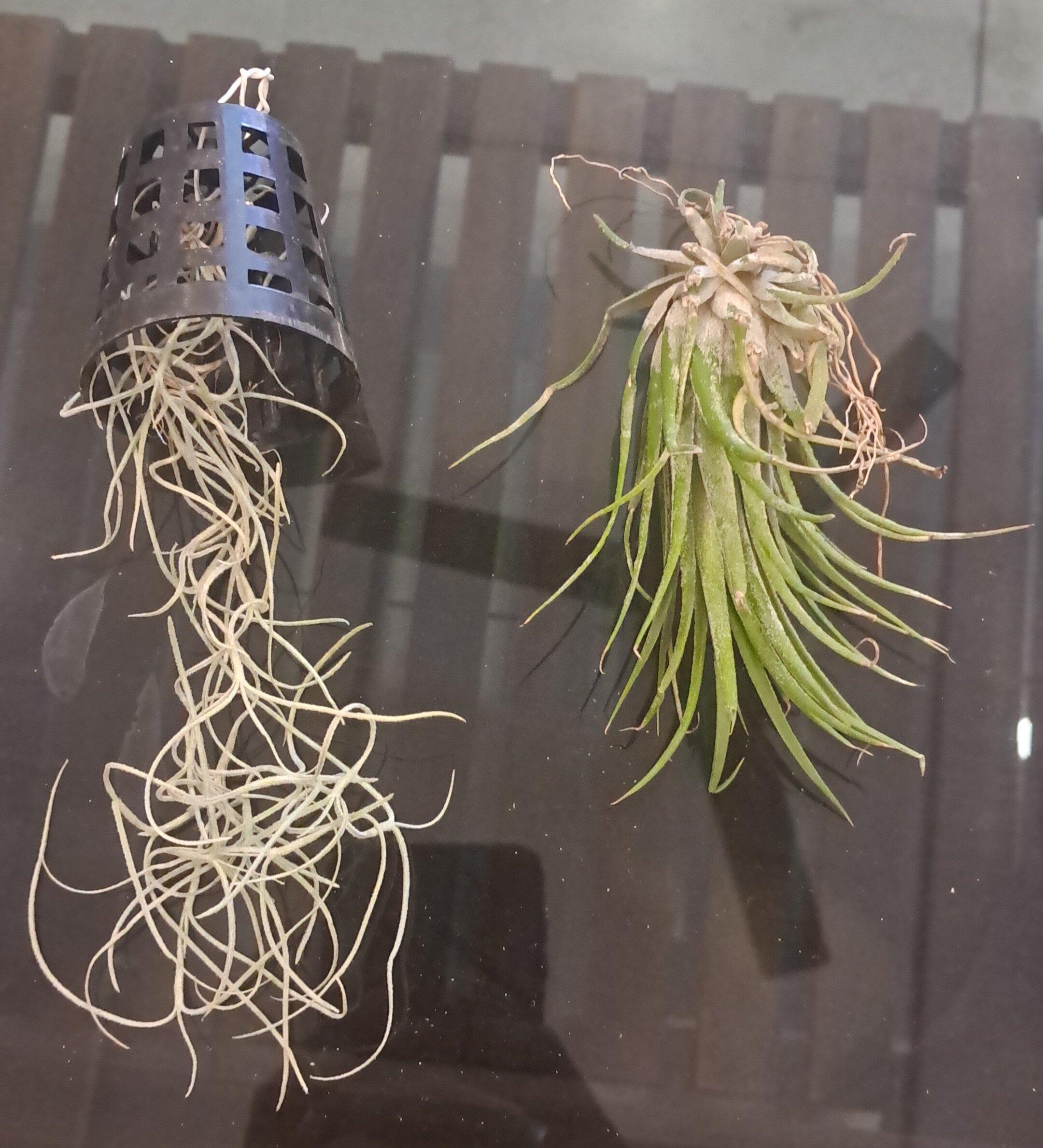
I bought Spanish moss and Tillandsia from Jiffy Plants and both came in good condition with good packing.
R
Plants are very healthy. Good packing too.
T
Excellent service and good product. Plant arrived healthy, well-packaged, and already budding. Very happy with my purchase