

Cart
0


*Images are for reference only
×



Share this product
4.4
★
★
★
★
☆
Based on 11 reviews
We deliver within 7–10 working days.
Vendor: Jiffy Plants
Couldn't load pickup availability
100% Live & Healthy Plant
Secure payment
Healthy Roots Guarantee 🌱
Guarantee safe checkout


Dawn Maree Orchid
Rs. 1,978.88

Selling size: Bushy Plant | Free shipping
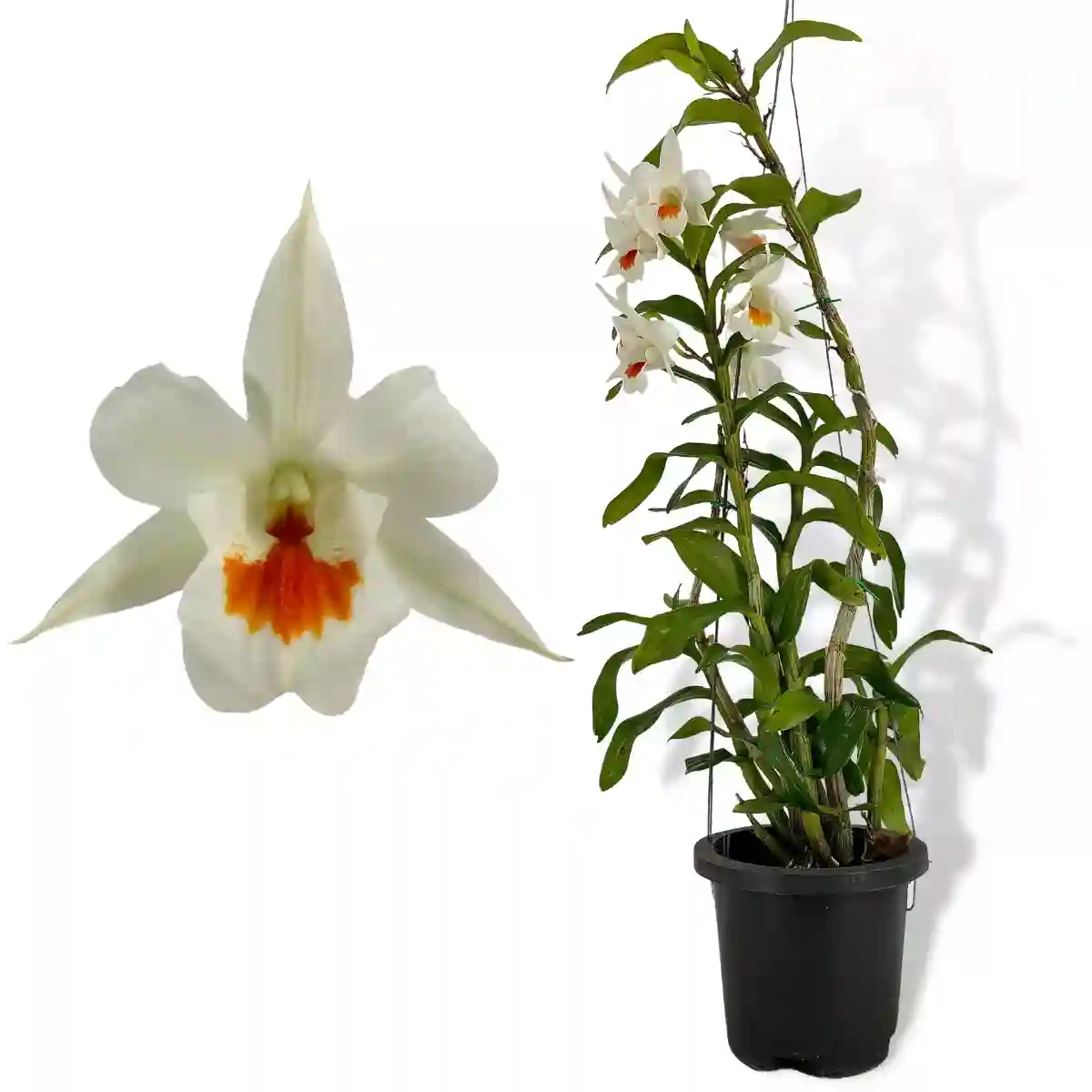
The Dawn Maree orchid is a popular hybrid, usually a Dendrobium type, known for its beautiful, often white to creamy white flowers with a distinctive orange or yellow lip. It's considered relatively easy to care for, making it suitable for both beginners and experienced orchid enthusiasts.
 Dawn Maree Orchid
 Here's a comprehensive guide to Dawn Maree Orchids care:
1. Light:- Bright, indirect light is ideal. This means a spot where it gets plenty of light but is shielded from direct, harsh midday sun, which can scorch its leaves.
- A good location might be an east-facing window or a few feet away from a south or west-facing window.
- Some varieties can tolerate medium indirect light.
- If your orchid isn't blooming, it might not be getting enough light. Yellowing leaves can indicate too much direct sun.
- Water thoroughly when the potting medium has dried out completely. Dendrobium orchids, including Dawn Maree, prefer a "wet-dry" cycle, meaning they don't like their roots to stay constantly wet.
- Do not allow the roots to soak in water. Ensure good drainage.
- Increase watering frequency during the active growing season (spring and summer) and reduce it during dormancy (winter).
- The type of potting medium influences watering frequency. Coconut husk retains more water than pine bark, so adjust accordingly.
- High humidity is beneficial. Aim for 60-80% humidity.
- If your indoor environment is dry, consider using a humidity tray (a tray filled with pebbles and water, with the pot sitting on top of the pebbles, not in the water) or a humidifier.
- Good air circulation is also important to prevent fungal issues in high humidity.
- Intermediate to warm temperatures are preferred. The ideal range is generally between 18∘C and 28∘C (64∘F to 82∘F).
- A slight drop in night temperatures can encourage flowering.
- Use a coarse, well-draining orchid potting mix. Common choices include charcoal, coconut husk, or a mix based on fine bark and sphagnum moss. Avoid regular potting soil.
- Repot when necessary, typically every 2-3 years, or when the potting medium breaks down and no longer drains well, or when the plant outgrows its pot.
- Fertilize regularly during the growing season (spring and summer) with a balanced orchid fertilizer at a diluted strength (1/4 to 1/2 of the recommended dosage).
- Reduce or stop fertilizing during the dormant period (winter).
- 'Dawn Maree' is known for its prolific blooming nature, often flowering once or twice a year, and some hybrids can bloom 2-3 times annually.
- Flowers typically appear at the top of mature canes and are long-lasting.
- After flowering, do not cut off the canes (pseudobulbs) as they can rebloom or continue to support the foliage and store water/nutrients.
 Dawn Maree Orchid 8. General Tips:
 - Dendrobiums are generally adaptable and are often considered good "beginner orchids."
- They can be grown indoors with sufficient light and air circulation.
- While some Dendrobiums require a dry winter rest to encourage flowering, 'Dawn Maree' (especially its Formosae-type hybrids) generally does not require a significant temperature drop or a completely dry rest, though reduced watering in winter is still advisable.
- Monitor your plant for signs of stress, such as yellowing leaves (too much sun), shriveling pseudobulbs (underwatering), or soft, black roots (overwatering/root rot).
Customer Reviews for Jiffy Plants
F
Is the venus fly trap really in good condition if anyone has bought it.
A
Plant were all had pest holes
R
Plants were healthy and packing was quite good!! Happy with my plants
S
I received all the plants that I ordered in excellent condition. The packaging was perfect and the plants arrived as if I brought them from a nursery personally.
S
All the plants i recieved were in a very good condition and a recieved them wothin 2 days and the price was also good
C
Received the plants in very good condition, thank you so much.
N
Excellent service and products.
S
Had ordered ten plants in coco peat seeding capsules. It was delivered well packed and all the plants were healthy. Foliage.in platform friends were quick and very helpful with my queries. Appreciate the quality of plants and HR
J
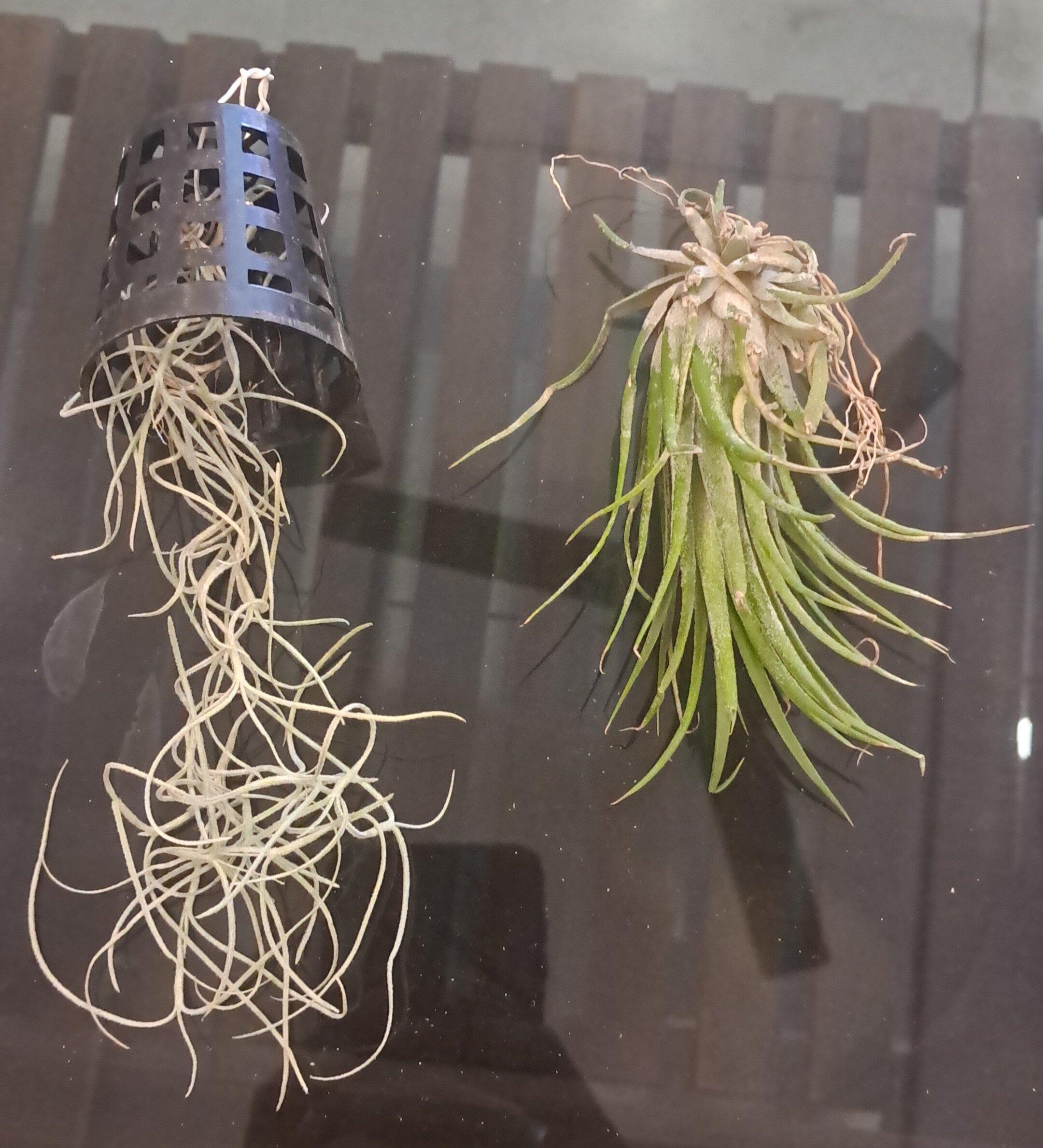
I bought Spanish moss and Tillandsia from Jiffy Plants and both came in good condition with good packing.
R
Plants are very healthy. Good packing too.
T
Excellent service and good product. Plant arrived healthy, well-packaged, and already budding. Very happy with my purchase


