

Cart
0


*Images are for reference only
×



Share this product
4.4
★
★
★
★
☆
Based on 11 reviews
We deliver within 7–10 working days.
Vendor: Jiffy Plants
Couldn't load pickup availability
100% Live & Healthy Plant
Secure payment
Healthy Roots Guarantee 🌱
Guarantee safe checkout


Dendrobium (ds-063)
Rs. 275.00

Selling Size : Single Plant | Secure Packing
Here’s a detailed care guide for Dendrobium (ds-063) 🌸 — a hybrid Dendrobium orchid admired for its bright, elegant flowers and easy adaptability to Indian climates.
 Dendrobium (ds-063)
 Here’s a detailed care guide for Dendrobium (ds-063):
🌤️ Light
-
Needs bright, indirect light for healthy growth and flowering.
-
Ideal exposure: 4–6 hours of filtered sunlight daily.
-
Indoors: place near an east-facing window or a well-lit balcony.
-
Too little light = no blooms; too much direct sun = scorched leaves.
🌡️ Temperature
-
Thrives in warm to intermediate temperatures:
-
Day: 25–32°C
-
Night: 16–20°C
-
-
Tolerates mild heat but avoid cold drafts or temps below 12°C.
 Dendrobium (ds-063)
 💧 Watering
-
Water thoroughly when the top 1–2 cm of the medium dries out.
-
Keep evenly moist during growth and bud formation (spring–summer).
-
During resting period (winter), reduce watering — keep just enough moisture to prevent canes from shriveling.
-
Always ensure good drainage; never leave roots sitting in water.
💨 Humidity
-
Prefers 50–70% humidity.
-
Use a pebble tray or humidifier if indoors.
-
Ensure good air circulation to prevent fungal or bacterial infections.
🌱 Fertilizer
-
Feed with a balanced orchid fertilizer (20-20-20) every 2 weeks during active growth.
-
Before flowering, switch to a high-phosphorus fertilizer (10-30-20) to encourage buds.
-
In winter, fertilize once a month or pause until new shoots appear.
-
Always water lightly before applying fertilizer to avoid root burn.
 Dendrobium (ds-063)
 🪴 Potting & Medium
-
Use a free-draining mix such as orchid bark + charcoal + perlite.
-
Repot every 2–3 years or when the medium breaks down.
-
Best time to repot: after flowering, when new roots start emerging.
🌼 Flowering
-
DS-063 typically blooms once or twice a year, with flowers lasting 2–4 weeks.
-
Flowers appear along the upper nodes of mature canes.
-
After flowering, do not cut green canes — they can rebloom or store energy for new growth.
⚠️ Common Problems Dendrobium (ds-063)
| Issue | Likely Cause |
|---|---|
| Wrinkled canes | Underwatering or root rot |
| Yellow leaves | Too much direct sun or natural shedding |
| No flowers | Insufficient light or missing rest period |
| Black spots | Fungal infection due to poor air flow or overwatering |
Customer Reviews for Jiffy Plants
F
Is the venus fly trap really in good condition if anyone has bought it.
A
Plant were all had pest holes
R
Plants were healthy and packing was quite good!! Happy with my plants
S
I received all the plants that I ordered in excellent condition. The packaging was perfect and the plants arrived as if I brought them from a nursery personally.
S
All the plants i recieved were in a very good condition and a recieved them wothin 2 days and the price was also good
C
Received the plants in very good condition, thank you so much.
N
Excellent service and products.
S
Had ordered ten plants in coco peat seeding capsules. It was delivered well packed and all the plants were healthy. Foliage.in platform friends were quick and very helpful with my queries. Appreciate the quality of plants and HR
J
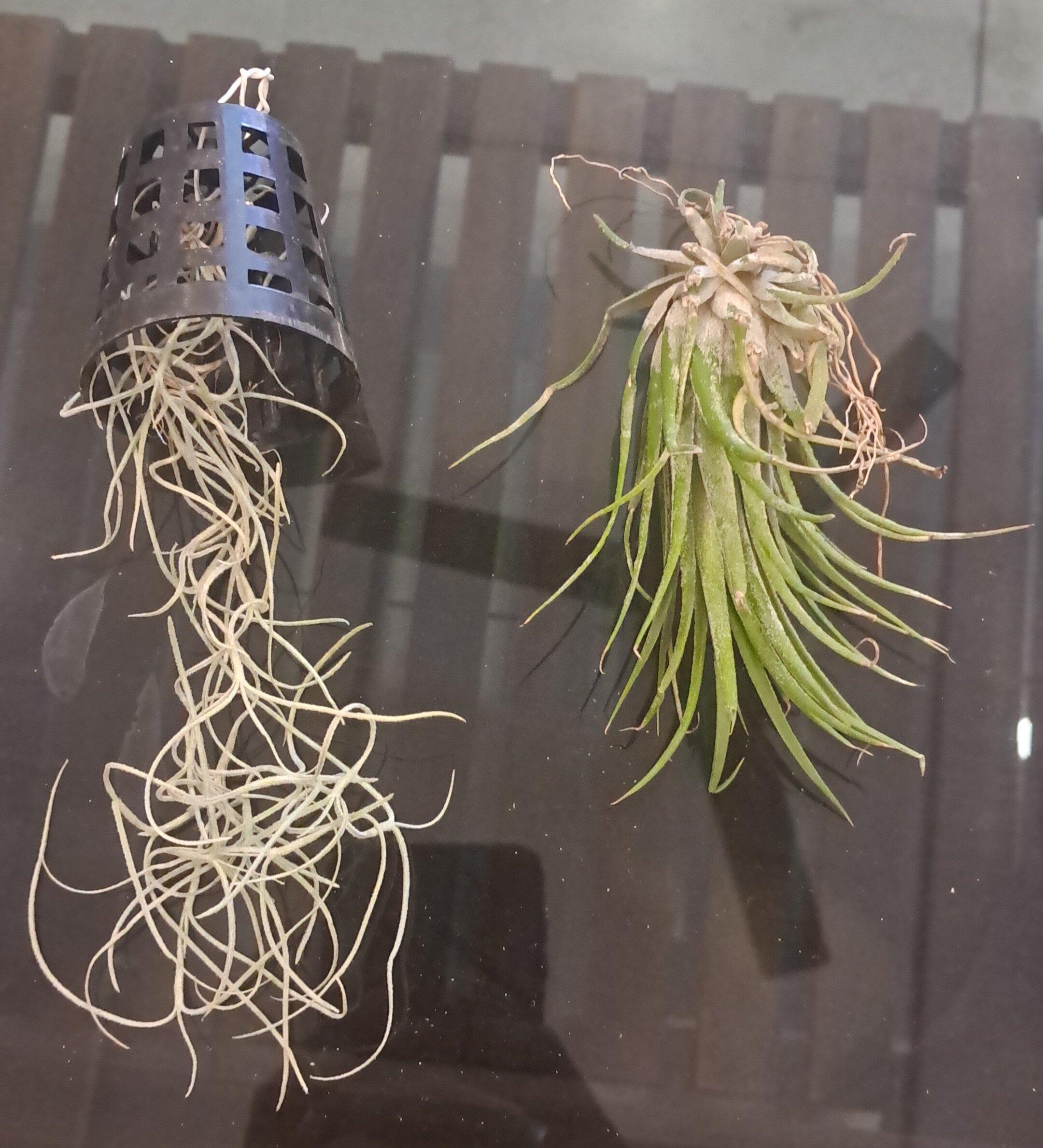
I bought Spanish moss and Tillandsia from Jiffy Plants and both came in good condition with good packing.
R
Plants are very healthy. Good packing too.
T
Excellent service and good product. Plant arrived healthy, well-packaged, and already budding. Very happy with my purchase


