

Cart
0


*Images are for reference only
×



Share this product
4.4
★
★
★
★
☆
Based on 13 reviews
We deliver within 7–10 working days.
Vendor: Jiffy Plants
Couldn't load pickup availability
100% Live & Healthy Plant
Secure payment
Healthy Roots Guarantee 🌱
Guarantee safe checkout


Dendrobium Nobile Nappori Blooming Stage
Rs. 1,149.00

Selling Size : Last Image | Net Pot Included | Secure Packing
Dendrobium Nobile Nappori Blooming Stage is a hybrid of the popular Dendrobium Nobile species, known for its beautiful, often fragrant flowers. As with all Nobile-type Dendrobiums, it has a distinct seasonal growth and rest cycle that is crucial for successful blooming. Dendrobium Nobile Nappori Blooming Stage
 Here's a comprehensive care guide for Dendrobium Nobile Nappori Blooming Stage:
Understanding the Nobile Cycle: Nobile Dendrobiums, including 'Nappori', go through distinct phases:- Active Growth (Spring to Late Summer): New canes emerge, grow, and mature. This is the period of strong growth.
- Maturation/Preparation for Rest (Fall): Canes finish growing, and the plant prepares for its dormant period.
- Cool, Dry Rest (Late Fall/Winter): This is absolutely critical for flower bud initiation. The plant needs cooler temperatures and significantly reduced water.
- Flowering (Late Winter/Early Spring): Flowers emerge from the mature canes.
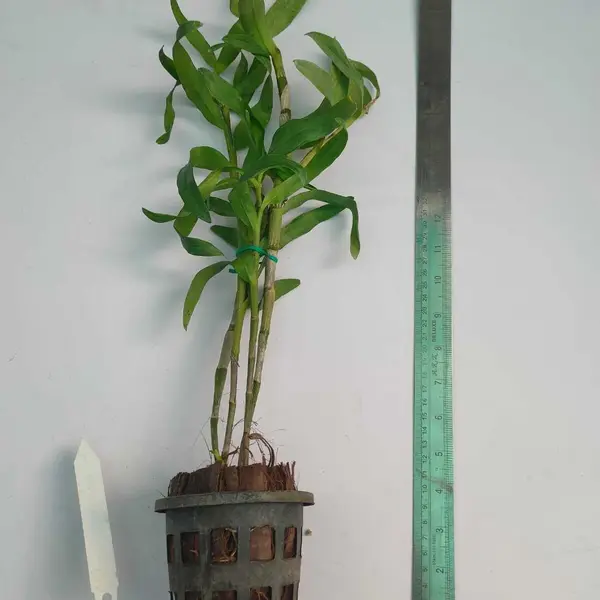 Dendrobium Nobile Nappori Blooming Stage 6. Fertilization: * Active Growth (Spring/Summer): This is the main feeding period. Use a balanced orchid fertilizer (e.g., NPK 20-20-20) at half to full strength every 1-2 weeks. * Fall: Stop fertilizing completely by early to mid-fall. Nitrogen at this stage can promote vegetative growth (keikis) instead of flower buds. * Winter (Rest Period): Do not fertilize. * Blooming Stage: Once flower buds are well-developed and starting to open, you can resume light fertilization at half strength to support the blooms and new growth. * Always water the plant thoroughly before fertilizing to prevent root burn. Flush the pot with plain water once a month to prevent salt buildup. Use rainwater or RO water if possible to avoid mineral buildup. 7. Air Circulation: * Excellent air movement is vital year-round. This helps prevent fungal diseases, especially in humid conditions, and contributes to healthy cane development. After Blooming:
 - Once the flowers fade, you can cut the spent flower spikes where they emerge from the cane.
- Do NOT cut off healthy, leafless canes. These canes store energy and water for the plant, and they can re-bloom in subsequent years, though typically less profusely than new canes.
- Transition back to the "active growth" care cycle.
Customer Reviews for Jiffy Plants
F
Is the venus fly trap really in good condition if anyone has bought it.
A
Plant were all had pest holes
R
Plants were healthy and packing was quite good!! Happy with my plants
S
I received all the plants that I ordered in excellent condition. The packaging was perfect and the plants arrived as if I brought them from a nursery personally.
P
Excellent
S
All the plants i recieved were in a very good condition and a recieved them wothin 2 days and the price was also good
C
Received the plants in very good condition, thank you so much.
N
Excellent service and products.
T
This plant came in good condition
S
Had ordered ten plants in coco peat seeding capsules. It was delivered well packed and all the plants were healthy. Foliage.in platform friends were quick and very helpful with my queries. Appreciate the quality of plants and HR
J
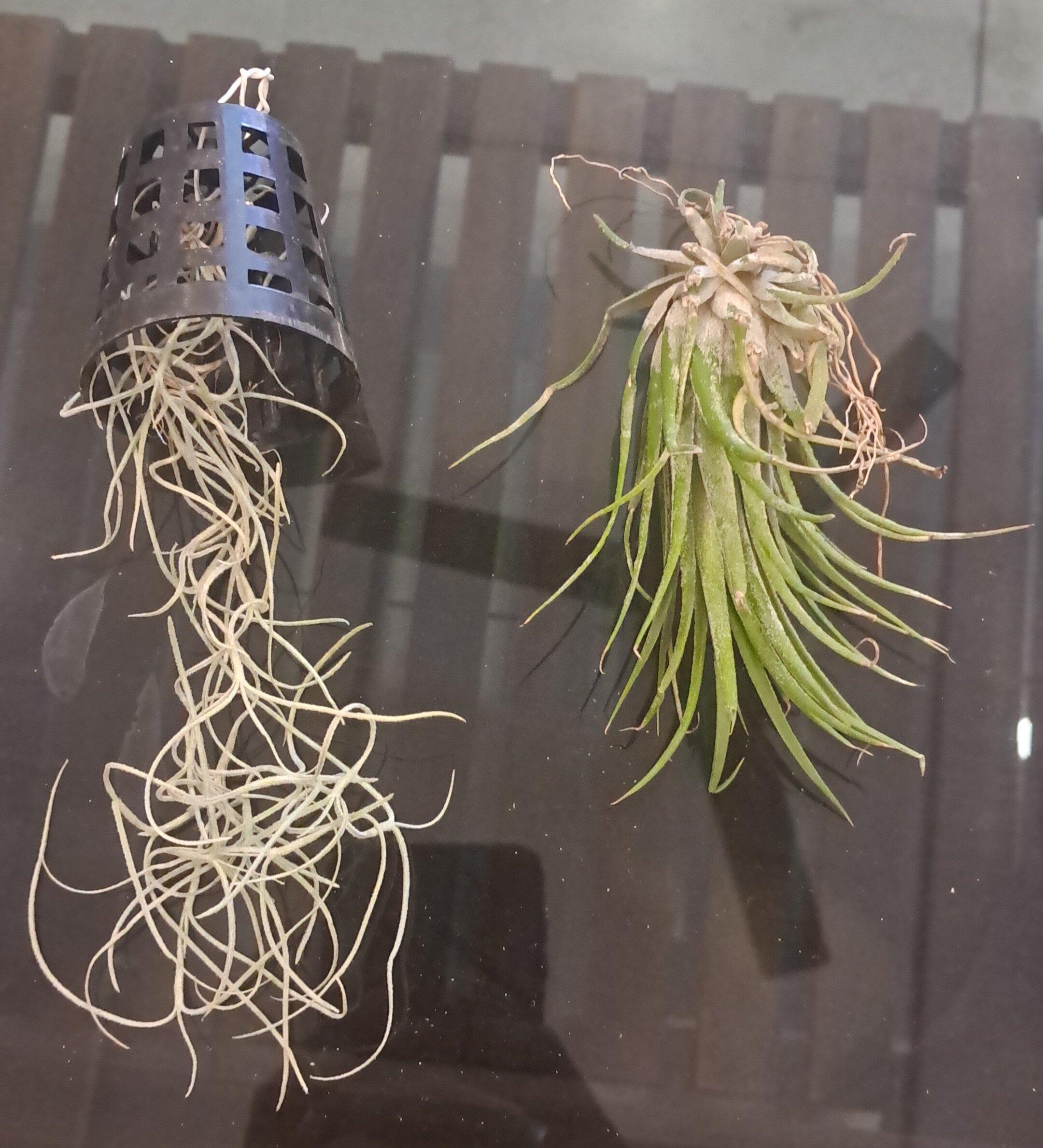
I bought Spanish moss and Tillandsia from Jiffy Plants and both came in good condition with good packing.
R
Plants are very healthy. Good packing too.
T
Excellent service and good product. Plant arrived healthy, well-packaged, and already budding. Very happy with my purchase