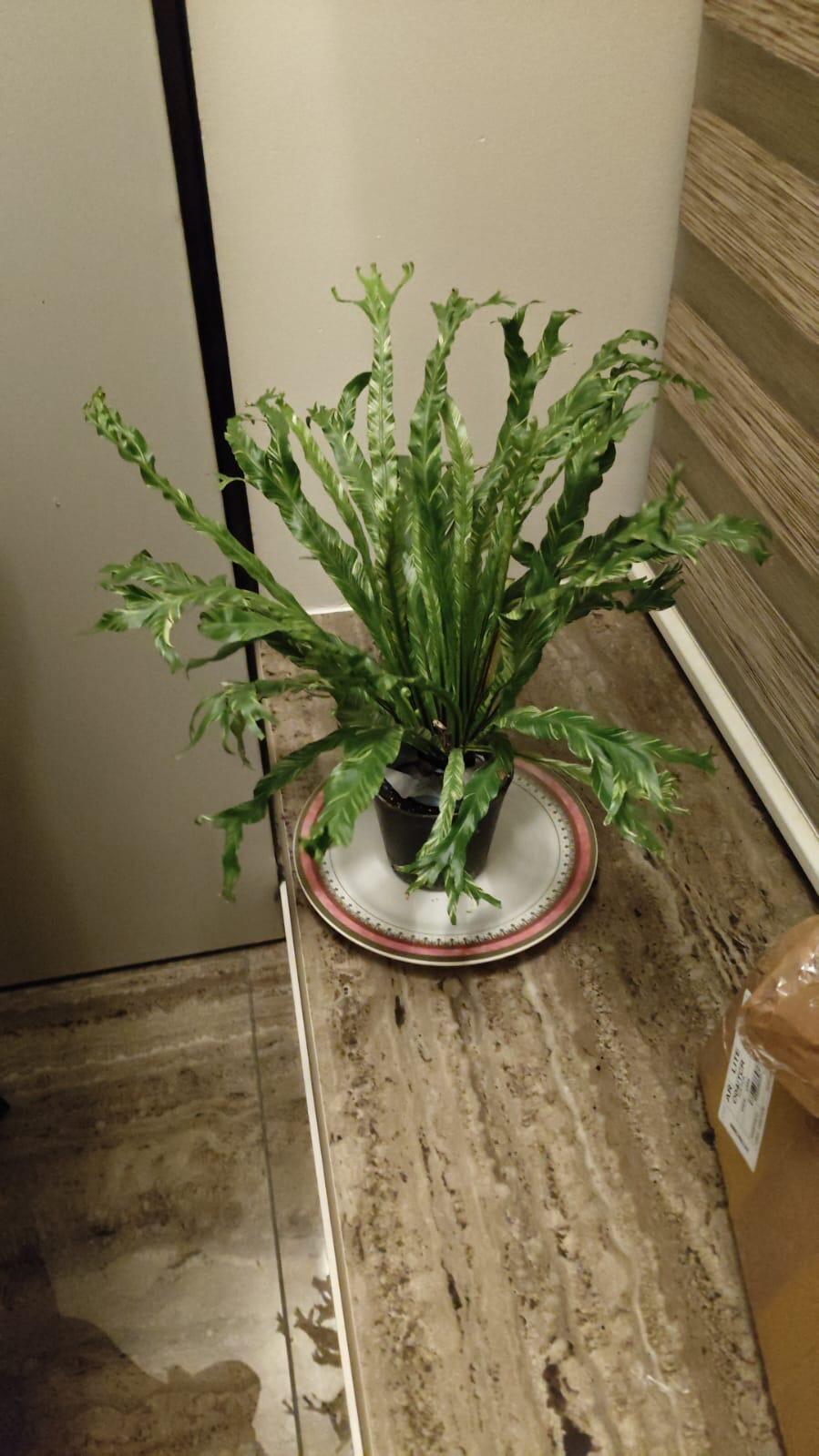
The captivating Devil's Backbone (Pedilanthus tithymaloides, now classified as Euphorbia tithymaloides) is a striking succulent known for its unique zigzag stems and vibrant variegated foliage. Native to tropical and subtropical regions of the Americas, this resilient plant brings an exotic architectural element to any indoor space. Its distinctive growth habit and colorful leaves make it a fascinating specimen for both novice and experienced plant enthusiasts.
🌟 Overview
-
Common Name: Devil's Backbone, Zigzag Plant, Slipper Flower, Jacob's Ladder
-
Botanical Name: Euphorbia tithymaloides (formerly Pedilanthus tithymaloides)
-
Appearance: Features distinctive succulent stems that grow in a pronounced zigzag pattern, adorned with elliptical leaves. This 'White' variety boasts stunning variegation, with creamy white or pink margins on its green leaves.
-
Growth Habit: Upright, bushy, and can become quite branched with age, adding architectural interest.
☀️ Light Requirements
-
Preference: Thrives in bright, indirect light to partial sun.
-
Tolerance: Can tolerate some direct morning sun, which can enhance leaf variegation and encourage more compact growth. Avoid intense, prolonged afternoon sun, which can scorch the leaves.
-
Indoors: Place near a south or west-facing window with filtered light, or a brightly lit east-facing window.
💧 Water Requirements
-
Frequency: Being a succulent, it's drought-tolerant. Allow the soil to dry out completely between waterings.
-
Method: Water thoroughly until it drains from the bottom, then empty any excess water from the saucer.
-
Seasonality: Reduce watering frequency during cooler, dormant months (fall and winter).
-
Caution: Overwatering is the most common cause of problems, leading to root rot.
📏 Size & Growth
-
Mature Height: Typically grows 1-3 feet tall indoors, but can reach up to 6 feet in ideal outdoor conditions.
-
Spread: Can spread 1-2 feet wide, forming a bushy silhouette.
-
Growth Rate: Moderate, especially with adequate light and warmth.
-
Pruning: Prune to maintain desired shape, size, and to encourage bushier growth, ideally in spring or early summer.
🌍 Origin & Characteristics
-
Native Habitat: Indigenous to the tropical and subtropical Americas, from Florida and Mexico through Central and South America.
-
Unique Feature: Its common name, "Devil's Backbone," refers to the angular, jointed stems that resemble a spine. The white variety adds spectacular creamy-white or light pink edges to the green foliage.
-
Flowering: Produces small, slipper-shaped bracts (often mistaken for flowers) that are typically red or pink, appearing at the stem tips.
📇 Toxicity & Safety Warning
-
Sap: Contains a milky white latex sap that can be a skin irritant and toxic if ingested.
-
Caution: Keep out of reach of children and pets. Wear gloves when handling or pruning to avoid skin irritation.
-
Symptoms: Ingestion can cause nausea, vomiting, and diarrhea. Skin contact can lead to rash or irritation.
❓ Frequently Asked Questions
Q: Why is it called Devil's Backbone?
A: The plant earns its intriguing common name from its distinctive, fleshy stems that grow in a pronounced zigzag pattern, resembling a backbone or spine.
Q: How do I encourage more variegation in my Devil's Backbone?
A: Providing ample bright, indirect light is key. While it tolerates lower light, optimal light exposure enhances the vibrant white and pink hues in its variegated foliage.
Q: Does the Devil's Backbone plant flower?
A: Yes, it produces unique, slipper-shaped bracts (modified leaves) at the tips of its stems, often in shades of red or pink. These are often mistaken for the actual flowers, which are quite small and inconspicuous.