

Cart
0


*Images are for reference only
×



Share this product
4.4
★
★
★
★
☆
Based on 13 reviews
We deliver within 7–10 working days.
Vendor: Jiffy Plants
Couldn't load pickup availability
100% Live & Healthy Plant
Secure payment
Healthy Roots Guarantee 🌱
Guarantee safe checkout


Dischidia nummularia (Pebble Beach/ Button Orchid)
Rs. 375.00

Plant Size: Single plant | 2.5″ Pot Included | Free Shipping
he Dischidia nummularia, commonly known as the String of Nickels, Pebble Beach plant, or Button Orchid, is a charming epiphyte with trailing stems covered in small, round, succulent-like leaves. It's a great choice for hanging baskets and is known for being relatively easy to care for, especially for those familiar with Hoyas, as they are related. Dischidia nummularia (Pebble Beach/ Button Orchid)
 Here is a comprehensive guide to caring for your Dischidia nummularia:
Light
- Bright, Indirect Light: This is the ideal condition for a healthy Dischidia nummularia. It thrives in bright, filtered light, mimicking its natural habitat where it grows under a tree canopy.
- Avoid Direct Sun: While it can tolerate a few hours of gentle morning or late afternoon sun, too much direct sunlight can scorch its leaves, causing them to turn yellow or brown.
- Low Light: The plant can survive in lower light, but its growth will be much slower, and the leaves may become smaller and more spaced out.
Watering
- Allow Soil to Dry Out: As an epiphyte with succulent-like leaves, this plant is drought-tolerant and very susceptible to root rot if overwatered. The key is to let the potting medium dry out almost completely between waterings.
- Check Before Watering: You can check the moisture level by feeling the weight of the pot or by sticking your finger into the soil. If it feels dry, it's time to water.
- Thorough Watering: When you do water, do it thoroughly until water drains from the bottom of the pot. This ensures that all of the roots receive moisture.
Humidity
- High Humidity is Preferred: This tropical plant appreciates high humidity (50% or higher), but it can adapt to average household humidity levels.
- Increase Humidity: If you live in a dry climate, especially during the winter, you can increase the humidity around the plant by using a humidifier, placing the pot on a pebble tray with water, or grouping it with other plants.
Soil and Fertilizer
- Well-Draining, Airy Medium: Do not use standard potting soil. The Dischidia nummularia is an epiphyte and needs a very loose, well-draining, and airy potting medium that mimics its natural growing conditions.
- Good Mediums: An excellent mix can include coconut husk chunks, orchid bark, perlite, or sphagnum moss.
- Fertilizer: This plant is not a heavy feeder. During the growing season (spring and summer), you can apply a balanced liquid houseplant fertilizer, diluted to half or even quarter strength, every 2-4 weeks. You can also simply change the potting medium every year to provide fresh nutrients.
 Dischidia nummularia (Pebble Beach/ Button Orchid)
 Other Care Tips
- Temperature: It thrives in warm temperatures, ideally between 60-85°F (15-29°C). Protect it from cold drafts and temperatures below 50°F (10°C).
- Pruning: You can trim back the long, trailing stems to maintain the plant's shape and encourage a bushier, fuller appearance.
- Propagation: It is very easy to propagate from stem cuttings. Simply take a cutting with a few leaves and a node, let the cut end callus over for a day, and then place it in a well-draining medium like sphagnum moss to root.
- Pests: Keep an eye out for common houseplant pests like mealybugs and spider mites.
- Toxicity: The sap of Dischidia nummularia can be a skin irritant. It is best to keep it out of reach of pets and children.
Customer Reviews for Jiffy Plants
F
Is the venus fly trap really in good condition if anyone has bought it.
A
Plant were all had pest holes
R
Plants were healthy and packing was quite good!! Happy with my plants
S
I received all the plants that I ordered in excellent condition. The packaging was perfect and the plants arrived as if I brought them from a nursery personally.
P
Excellent
S
All the plants i recieved were in a very good condition and a recieved them wothin 2 days and the price was also good
C
Received the plants in very good condition, thank you so much.
N
Excellent service and products.
T
This plant came in good condition
S
Had ordered ten plants in coco peat seeding capsules. It was delivered well packed and all the plants were healthy. Foliage.in platform friends were quick and very helpful with my queries. Appreciate the quality of plants and HR
J
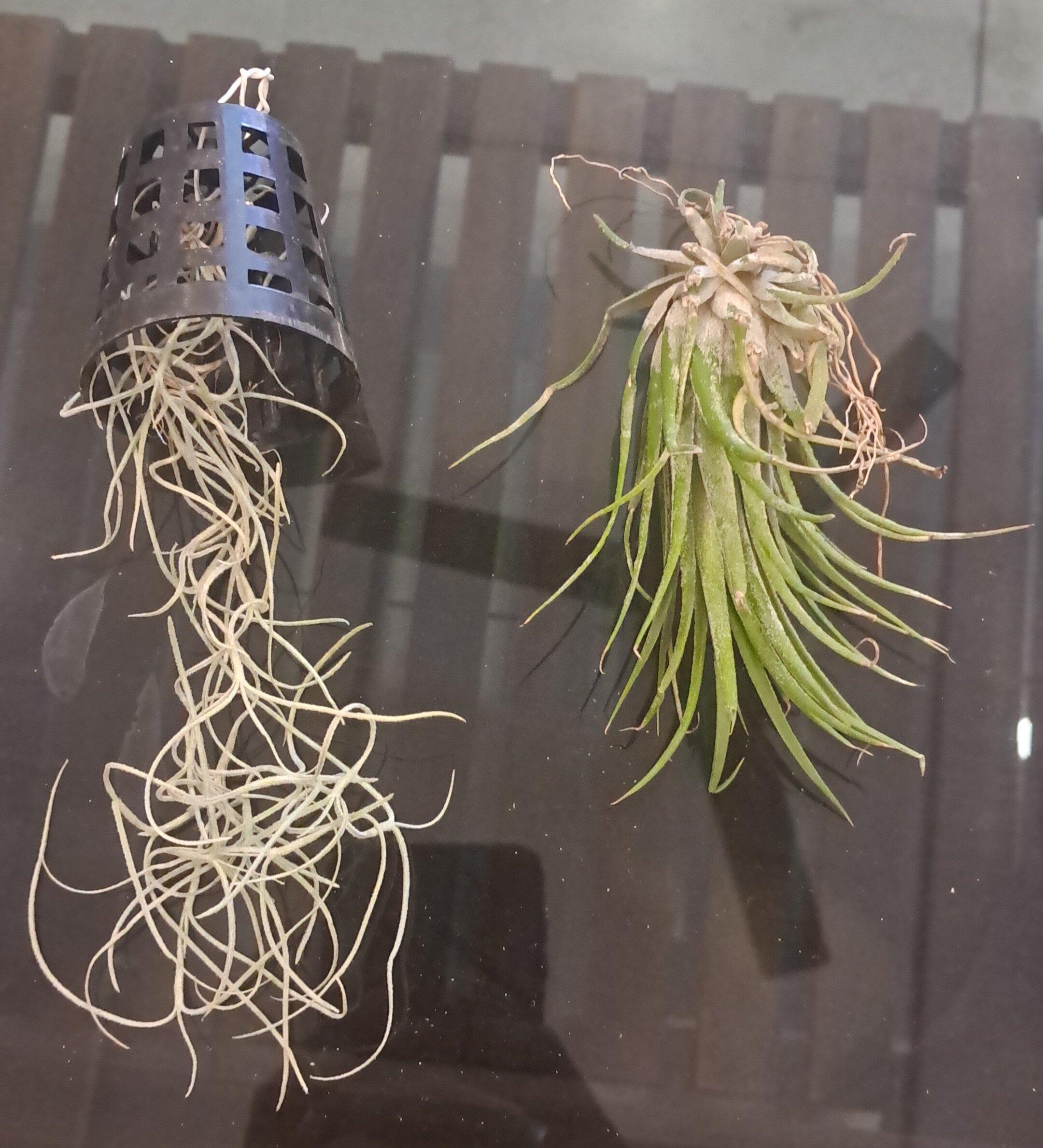
I bought Spanish moss and Tillandsia from Jiffy Plants and both came in good condition with good packing.
R
Plants are very healthy. Good packing too.
T
Excellent service and good product. Plant arrived healthy, well-packaged, and already budding. Very happy with my purchase