

Cart
0


*Images are for reference only
×



Share this product
4.4
★
★
★
★
☆
Based on 13 reviews
We deliver within 7–10 working days.
Vendor: Jiffy Plants
Couldn't load pickup availability
100% Live & Healthy Plant
Secure payment
Healthy Roots Guarantee 🌱
Guarantee safe checkout


Dischidia Ovata | Dischidia Watermelon Plant
Rs. 375.00

Plant Size: Single plant | 2.5" Pot Included | Free Shipping | Secure Packing
The Dischidia ovata, also known as the Watermelon Dischidia, is a charming and unique houseplant with striking foliage that looks like tiny watermelons. It's a vining epiphyte, meaning it naturally grows on other plants or trees in its native tropical habitat. This makes its care needs a bit different from typical houseplants. Dischidia Ovata | Dischidia Watermelon Plant
 Here's a comprehensive guide to caring for your Dischidia Ovata | Dischidia Watermelon Plant :
Light
- Bright, indirect light is best. This mimics the dappled sunlight it would receive in its natural environment, filtered through a tree canopy.
- Direct sun can scorch the leaves, causing them to turn yellow or brown.
- It can tolerate a few hours of direct morning or late afternoon sun, but you should watch for signs of stress. If the leaves develop a reddish tint, it's getting too much direct light.
- Low light can cause the plant to become leggy, with longer stems and smaller leaves.
Watering
- Water when the top inch or two of soil feels dry. Dischidias prefer to be slightly on the drier side, as their roots are sensitive to overwatering and root rot.
- As an epiphyte, it needs excellent drainage. The pot must have drainage holes, and the soil should not hold excess water.
- It's more forgiving of underwatering than overwatering. If you forget to water it for a bit, it will likely be fine. The leaves may become a bit soft or pliable when it's thirsty.
Soil and Potting
- Use an airy, well-draining potting mix. A standard potting soil will be too dense.
- An ideal mix is a chunky aroid mix or something similar to what you would use for a Hoya. A good recipe includes perlite, orchid bark, and a small amount of potting soil or coco coir. This provides the excellent aeration its roots need.
- Repot only when necessary, as these plants don't like to be disturbed. Repotting is typically needed every couple of years.
Temperature and Humidity
- Temperature: Dischidia ovata thrives in warm conditions, ideally between 65°F and 85°F (18°C to 29°C). Protect it from cold drafts and sudden temperature changes.
-
Humidity: As a tropical plant, it loves high humidity (60-80% is ideal).
- If you live in a dry climate, use a humidifier to increase the moisture in the air.
- Placing the pot on a pebble tray with water is another great way to boost humidity.
- Grouping it with other plants will also create a more humid microclimate.
- Misting is a temporary fix for humidity and can lead to fungal issues if not done carefully.
Fertilizing
- Fertilize every 2-4 weeks during the growing season (spring and summer) with a balanced, diluted liquid fertilizer.
- Reduce feeding in the fall and winter, when the plant's growth slows.
Pruning and Maintenance
- Dischidia ovata has a vining habit. You can let it trail from a hanging basket or provide it with a trellis or pole to climb.
- Prune the vines to maintain a desired shape and size. This will also encourage a bushier, more compact growth.
- It will send out leafless tendrils that will eventually grow leaves. Don't cut these off, as they are a sign of healthy new growth.
- The plant may produce small, bell-shaped flowers, often in shades of yellow or red.
Common Problems
- Yellowing leaves: Most commonly caused by overwatering.
- Brown tips or edges on leaves: Can be a sign of low humidity or underwatering.
- Limp or soft leaves: Usually a sign the plant is thirsty. Water thoroughly, and the leaves should firm up.
-
Pests: Keep an eye out for mealybugs and spider mites. Treat with insecticidal soap or neem oil if you see any.
 Dischidia Ovata | Dischidia Watermelon Plant
Toxicity
- While not considered highly toxic, it's best to keep Dischidia ovata away from curious pets and children. Ingestion can cause mild stomach upset.
Customer Reviews for Jiffy Plants
F
Is the venus fly trap really in good condition if anyone has bought it.
A
Plant were all had pest holes
R
Plants were healthy and packing was quite good!! Happy with my plants
S
I received all the plants that I ordered in excellent condition. The packaging was perfect and the plants arrived as if I brought them from a nursery personally.
P
Excellent
S
All the plants i recieved were in a very good condition and a recieved them wothin 2 days and the price was also good
C
Received the plants in very good condition, thank you so much.
N
Excellent service and products.
T
This plant came in good condition
S
Had ordered ten plants in coco peat seeding capsules. It was delivered well packed and all the plants were healthy. Foliage.in platform friends were quick and very helpful with my queries. Appreciate the quality of plants and HR
J
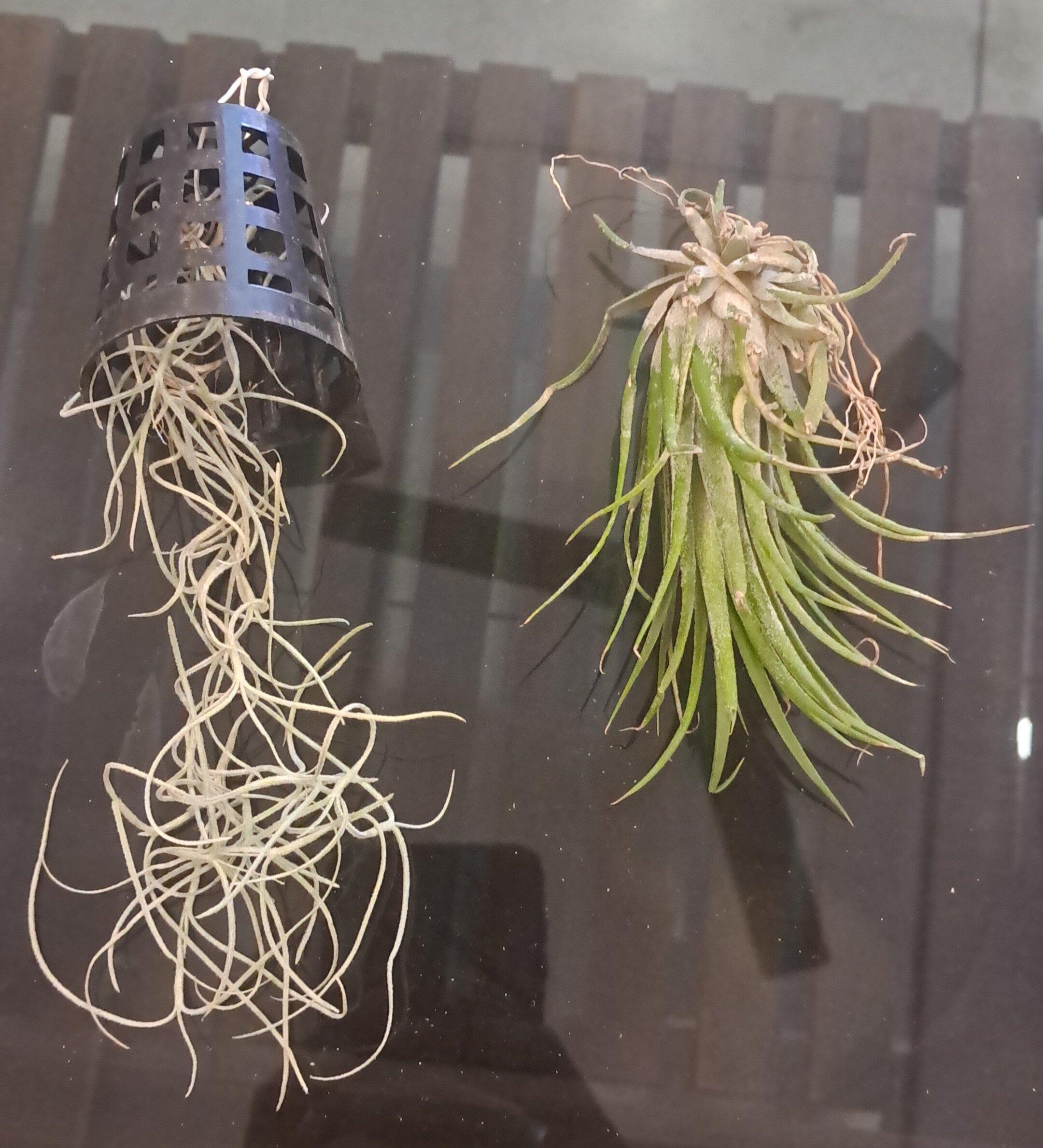
I bought Spanish moss and Tillandsia from Jiffy Plants and both came in good condition with good packing.
R
Plants are very healthy. Good packing too.
T
Excellent service and good product. Plant arrived healthy, well-packaged, and already budding. Very happy with my purchase