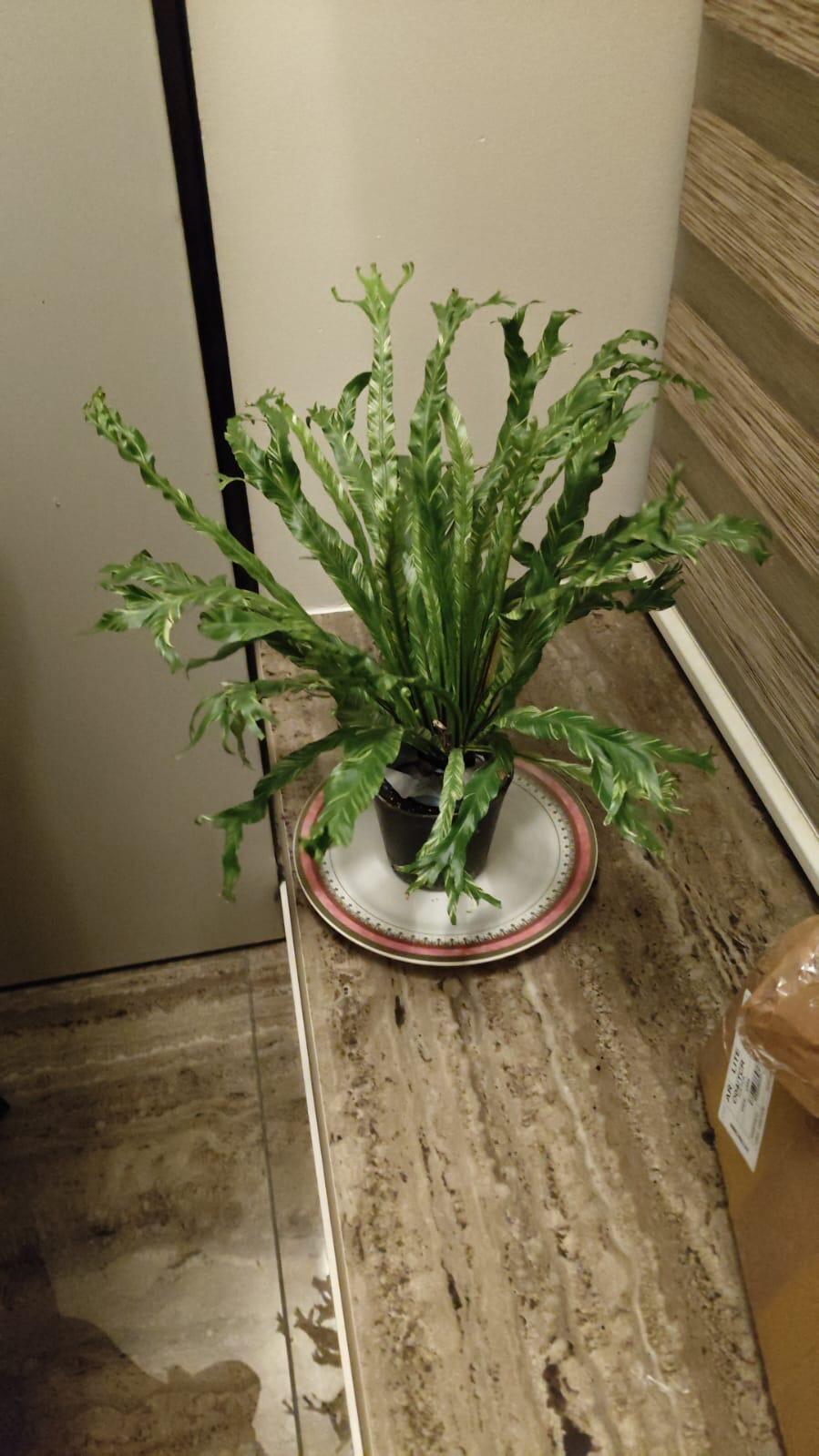
Immerse your space in the exotic charm of the Dischidia, an enchanting genus of epiphytic plants originating from the lush tropical rainforests of Southeast Asia and Australia. Revered for its uniquely varied foliage, this particular variegated hybrid showcases an exquisite blend of green and creamy hues, creating a mesmerizing cascade of living art. Its delicate, often succulent-like leaves and vining habit make it a captivating addition, bringing a touch of the wild, verdant tropics directly into your home.
🌟 Overview
- The Dischidia Variegated is a stunning and relatively rare tropical houseplant, prized for its intricate patterns and trailing growth.
- Ideal for hanging baskets or elevated shelves where its beautiful foliage can gracefully drape.
- Known for its unique leaf structures, which can range from flat and round to plump and succulent-like, often with intriguing variegation.
- Perfect for adding a touch of botanical sophistication and a fresh, vibrant aesthetic to any indoor setting.
☀️ Light Requirements
- Prefers bright, indirect light to maintain its vibrant variegation and promote healthy growth.
- Avoid direct sunlight, which can scorch its delicate leaves.
- Tolerates lower light conditions but may exhibit slower growth and less pronounced variegation.
💧 Water Requirements
- Water thoroughly when the top 1-2 inches of soil feel dry to the touch.
- Allow excess water to drain completely; Dischidias are sensitive to overwatering and root rot.
- Reduce watering frequency during the cooler, darker winter months.
- As an epiphytic plant, it appreciates humidity but also good air circulation around its roots.
📏 Size & Growth
- Typically grows as a vining or trailing plant, with stems that can extend several feet in length over time.
- Individual leaves are small to medium-sized, showcasing unique shapes and striking variegation.
- Growth rate is moderate, making it manageable for indoor environments.
🌍 Origin & Characteristics
- Hailing from the tropical regions of Asia, Australia, and the Pacific Islands, Dischidia are fascinating epiphytes, naturally growing on other plants without harming them.
- They are closely related to Hoyas and share some similar care requirements.
- The variegated forms are highly sought after for their ornamental value, providing continuous visual interest.
- Many species develop specialized leaves that can serve as 'ant nests' in their natural habitat, though this characteristic is less prominent in common houseplant varieties.
📇 Toxicity & Safety Warning
- Dischidia plants are generally considered non-toxic to humans and pets, making them a safe choice for most homes.
- However, it's always advisable to prevent ingestion by pets and small children, as any plant material can potentially cause mild digestive upset.
- Handle with care to avoid sap irritation if you have sensitive skin, although this is rare with Dischidia.
❓ Frequently Asked Questions
Q: How often should I water my Dischidia?
A: Water when the top 1-2 inches of soil are dry. This typically means once a week, but always check the soil moisture before watering to prevent overwatering.
Q: What kind of light does Dischidia prefer?
A: Dischidias thrive in bright, indirect light. A spot near a window with filtered sunlight is ideal. Avoid harsh, direct sun.
Q: Is Dischidia safe for pets?
A: Yes, Dischidias are generally considered non-toxic to cats and dogs, making them a pet-friendly option for your home.