

Cart
0


*Images are for reference only
×



Share this product
4.4
★
★
★
★
☆
Based on 13 reviews
We deliver within 7–10 working days.
Vendor: Jiffy Plants
Couldn't load pickup availability
100% Live & Healthy Plant
Secure payment
Healthy Roots Guarantee 🌱
Guarantee safe checkout


Discocactus cactus
Rs. 425.00

Selling Size : Single Plant | Pot Included | Secure Packing
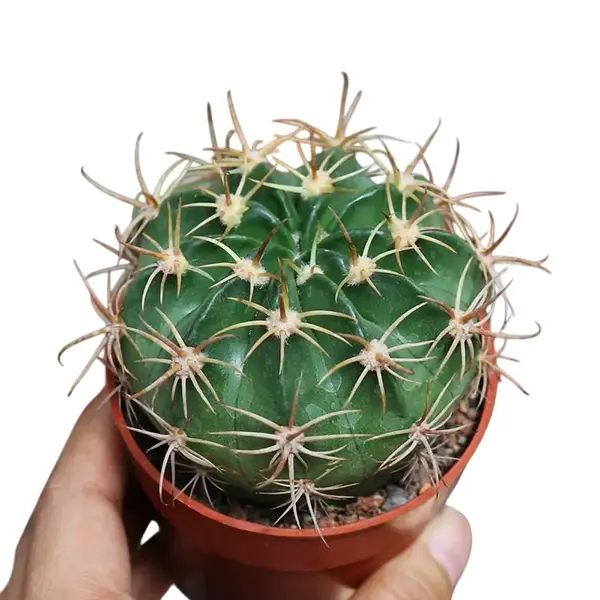
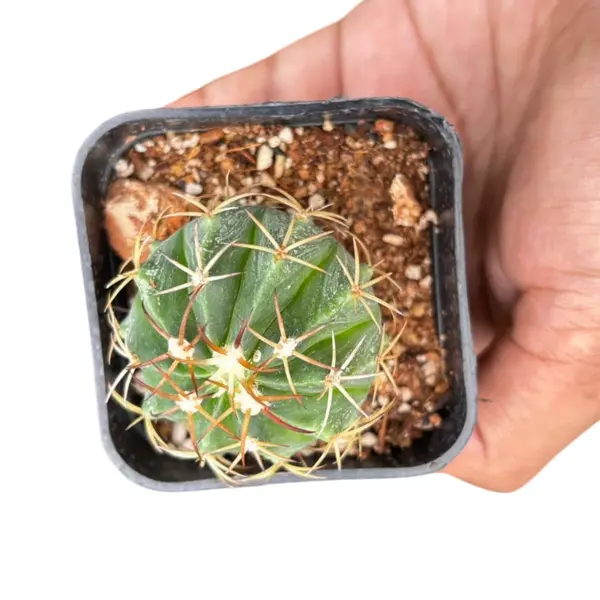
The Discocactus cactus genus is highly prized by cactus collectors, known for its flattened, globular shape and large, fragrant, nocturnal white flowers that emerge from a woolly structure on its crown called a cephalium when the plant matures.
Discocactus are often considered one of the more challenging cacti to cultivate, as they are native to warm, tropical areas of South America (Brazil, Paraguay, Bolivia) and are highly sensitive to cold and overwatering. Discocactus cactus
 Here is a detailed care guide for the Discocactus cactus :
1. Light Requirements
- Bright Light: Discocactus requires bright light. They do best with several hours of direct sun in the morning and afternoon.
- Protection from Scorch: In extremely hot climates, provide light shade during the intense midday sun (12 PM to 3 PM) to prevent scorching. A slightly reddish or purplish blush on the body is often a sign of healthy, bright light exposure.
- Optimal Location: A warm, well-lit greenhouse or a sunny windowsill is ideal.
2. Watering
- Warmth and Moisture: Unlike typical desert cacti, Discocactus often comes from rocky areas with higher humidity and requires more consistent moisture during the growing season, but cannot tolerate wet feet or cold, wet soil.
- Growing Season (Spring to Early Autumn): Water moderately. Wait until the soil has mostly dried out (but not bone-dry for an extended period) before watering again. For some growers, this may be every 1-2 weeks in hot weather.
- Dormancy (Winter): This is the most critical period. Keep the plant dry and warm. Drastically reduce or stop watering completely. If your winter temperatures are slightly warmer (above 15∘C/59∘F), you can give a very occasional light "sip" of water to prevent the fine roots from dying back completely, but the goal is to keep the soil mostly dry.
 Discocactus cactus
 3. Soil and Potting
-
Extremely Well-Draining and Porous: The soil must be highly aerated to prevent root rot.
- Mix: Use a very gritty, mineral-rich mix. A good ratio is 70% to 80% inorganic material (pumice, lava rock, coarse sand, decomposed granite) and only 20% to 30% organic material (like a quality cactus potting mix or decomposed leaf mold).
- Pot: Use a container with excellent drainage. Clay/Terracotta pots are highly recommended as they allow the soil to dry out faster.
- Repotting: Discocactus can be sensitive to root disturbance. Repot sparingly, only when necessary, and do it during the warmest part of the growing season.
4. Temperature
-
Warmth is Essential: Discocactus are tropical cacti and demand warmth year-round.
- Growing Temperature: They thrive in temperatures between 20∘C and 30∘C (68∘F and 86∘F).
- Minimum Winter Temperature: Never expose them to frost. They generally should be kept above 12∘C to 15∘C (54∘F to 59∘F), especially if on their own roots. Grafted plants may tolerate slightly lower temperatures, but the warmer, the better.
5. Fertilizing
- Sparingly: Feed lightly during the active growing season (late spring to mid-summer).
- Type: Use a low-nitrogen, high-potassium (P and K) liquid fertilizer formulated for cacti and succulents, diluted to half or quarter strength, about once a month.
 Discocactus cactus
 6. Cephalium and Flowering
- Maturity: A Discocactus will only begin to flower once it reaches maturity and develops its characteristic woolly growth on its crown, called the cephalium.
- Blooms: The flowers are typically large, white, and very fragrant. They are nocturnal (open at night) to attract moth pollinators and usually close by the following morning.
- Encouraging Blooms: Providing a consistently warm, bright, and slightly moist environment during the growing season, followed by a dry, warm winter rest, will encourage cephalium development and flowering.
Note on Grafting: Because some species (like D. horstii) can be very sensitive to root rot and slow-growing on their own roots, they are often grown as grafted plants in cultivation. A grafted plant may have slightly more resilience but still requires the same high warmth and care.
Customer Reviews for Jiffy Plants
F
Is the venus fly trap really in good condition if anyone has bought it.
A
Plant were all had pest holes
R
Plants were healthy and packing was quite good!! Happy with my plants
S
I received all the plants that I ordered in excellent condition. The packaging was perfect and the plants arrived as if I brought them from a nursery personally.
P
Excellent
S
All the plants i recieved were in a very good condition and a recieved them wothin 2 days and the price was also good
C
Received the plants in very good condition, thank you so much.
N
Excellent service and products.
T
This plant came in good condition
S
Had ordered ten plants in coco peat seeding capsules. It was delivered well packed and all the plants were healthy. Foliage.in platform friends were quick and very helpful with my queries. Appreciate the quality of plants and HR
J
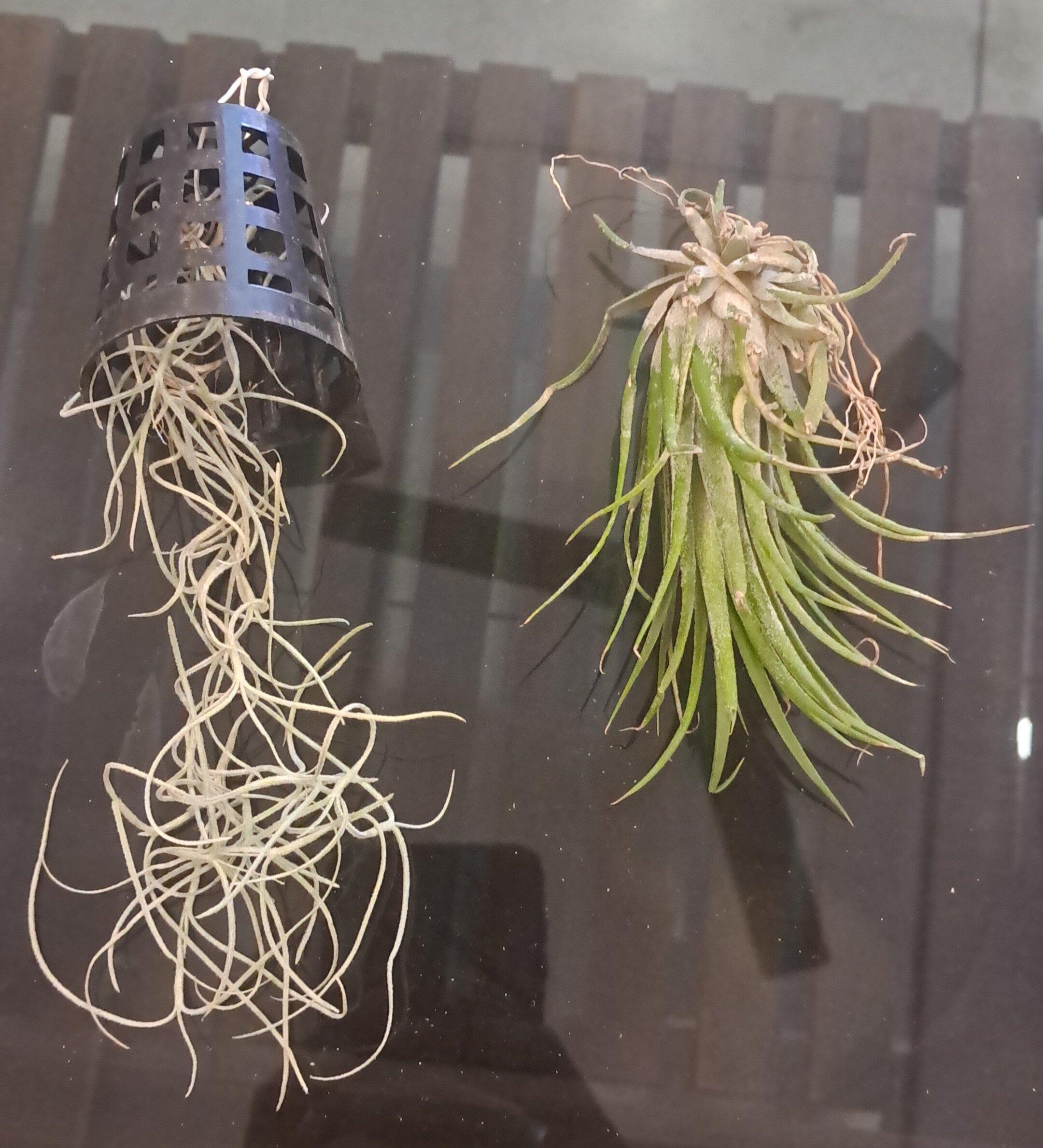
I bought Spanish moss and Tillandsia from Jiffy Plants and both came in good condition with good packing.
R
Plants are very healthy. Good packing too.
T
Excellent service and good product. Plant arrived healthy, well-packaged, and already budding. Very happy with my purchase