

Cart
0


*Images are for reference only
×



Share this product
4.4
★
★
★
★
☆
Based on 13 reviews
We deliver within 7–10 working days.
Vendor: Jiffy Plants
Couldn't load pickup availability
100% Live & Healthy Plant
Secure payment
Healthy Roots Guarantee 🌱
Guarantee safe checkout


Drimiopsis Kirkii Giant Squill
Rs. 199.00

Selling size: Mentioned in the last picture (Pot included)
Here’s a complete care guide for Drimiopsis Kirkii Giant Squill 🌿 (also known as Giant Squill, Leopard Lily, or Little White Soldiers) — a hardy, bulbous plant valued for its spotted leaves and easy, drought-tolerant nature.
 Drimiopsis Kirkii Giant Squill
 Here’s a complete care guide for Drimiopsis Kirkii Giant Squill :
🌤️ Light
-
Prefers bright, indirect light for best leaf color and spotting.
-
Can tolerate partial sunlight or even full morning sun.
-
In strong afternoon sunlight, provide light shade to prevent leaf scorch.
-
Indoors: place near an east- or west-facing window.
🌡️ Temperature
-
Thrives in warm temperatures:
-
Day: 22–32°C
-
Night: above 15°C
-
-
Tolerates short dry periods but avoid cold drafts or frost.
💧 Watering
-
Water moderately during the growing season (spring–summer).
-
Allow the topsoil to dry between waterings — this plant dislikes soggy soil.
-
In the dormant season (winter), water sparingly (once every 2–3 weeks).
-
Overwatering may cause bulb rot.
 Drimiopsis Kirkii Giant Squill
 💨 Humidity
-
Average room humidity (40–60%) is sufficient.
-
It adapts well to dry indoor air — no misting needed.
🌱 Soil
-
Use a well-draining mix, similar to succulent soil:
-
1 part garden soil + 1 part sand/perlite + 1 part compost or cocopeat.
-
-
The soil must stay airy to prevent waterlogging around the bulbs.
🌿 Fertilizer
-
Feed monthly during spring and summer with a balanced liquid fertilizer (10-10-10 or 20-20-20) diluted to half strength.
-
Stop fertilizing during winter dormancy.
🪴 Potting & Repotting
-
Use shallow pots with good drainage holes (bulbs prefer to sit just below soil surface).
-
Repot every 2–3 years or when bulbs crowd the pot.
-
Best time to repot: early spring before active growth starts.
🌼 Flowering
-
Produces small white to pale green flowers on upright stalks in spring or early summer.
-
After flowering, remove spent stalks to keep the plant tidy.
-
The leaves may go semi-dormant or shed slightly in winter — this is normal.
 Drimiopsis Kirkii Giant Squill
 ⚠️ Common Problems
| Issue | Cause |
|---|---|
| Yellow or mushy bulbs | Overwatering or poor drainage |
| Brown leaf tips | Underwatering or too much direct sun |
| Fading spots | Insufficient light |
| No flowers | Lack of light or nutrients |
🪴 Extra Tips
-
Can be grown both indoors and outdoors in warm regions.
-
Excellent low-maintenance houseplant for sunny windowsills or balconies.
-
Mildly toxic if ingested — keep out of reach of pets.
Customer Reviews for Jiffy Plants
F
Is the venus fly trap really in good condition if anyone has bought it.
A
Plant were all had pest holes
R
Plants were healthy and packing was quite good!! Happy with my plants
S
I received all the plants that I ordered in excellent condition. The packaging was perfect and the plants arrived as if I brought them from a nursery personally.
P
Excellent
S
All the plants i recieved were in a very good condition and a recieved them wothin 2 days and the price was also good
C
Received the plants in very good condition, thank you so much.
N
Excellent service and products.
T
This plant came in good condition
S
Had ordered ten plants in coco peat seeding capsules. It was delivered well packed and all the plants were healthy. Foliage.in platform friends were quick and very helpful with my queries. Appreciate the quality of plants and HR
J
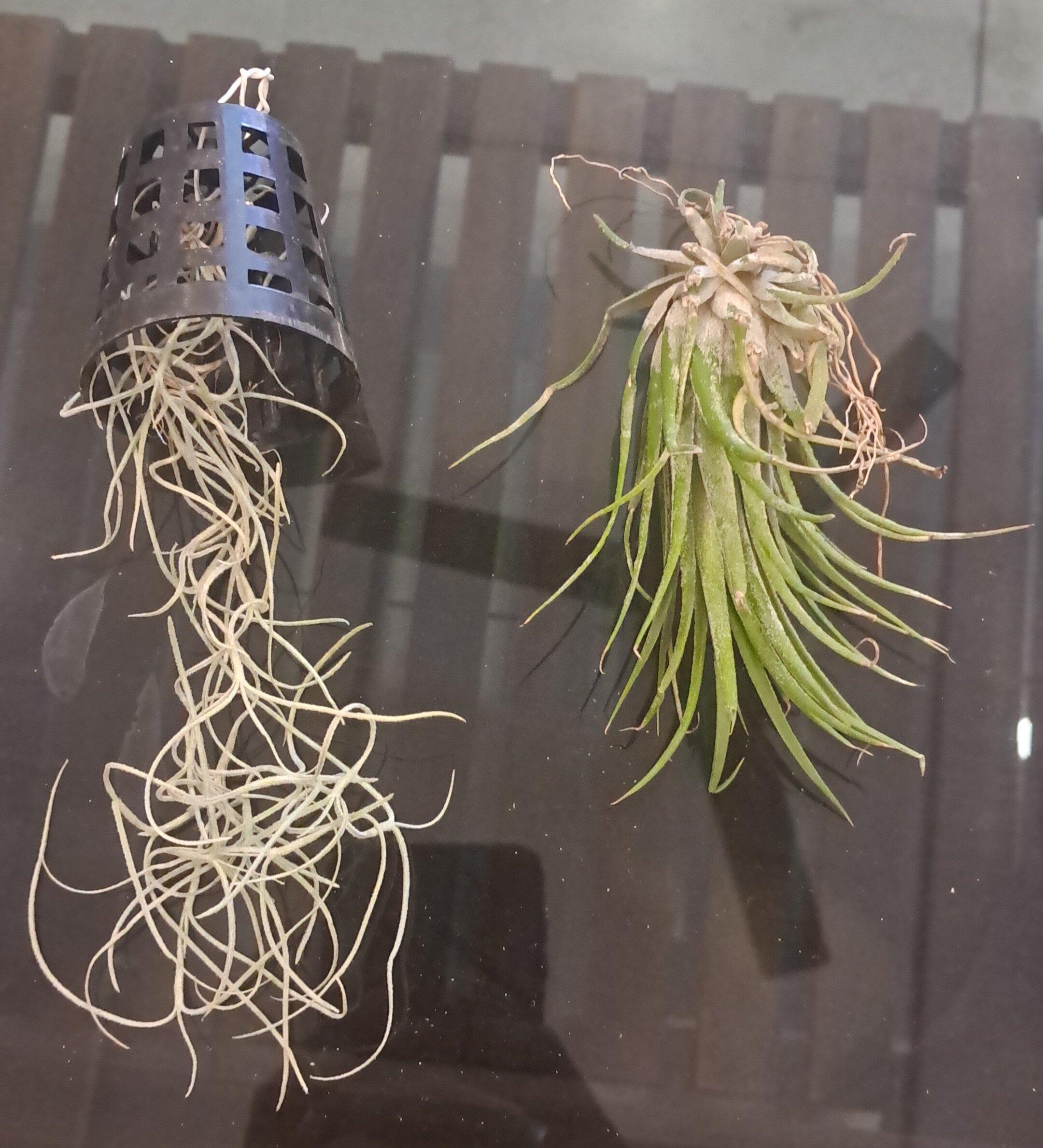
I bought Spanish moss and Tillandsia from Jiffy Plants and both came in good condition with good packing.
R
Plants are very healthy. Good packing too.
T
Excellent service and good product. Plant arrived healthy, well-packaged, and already budding. Very happy with my purchase