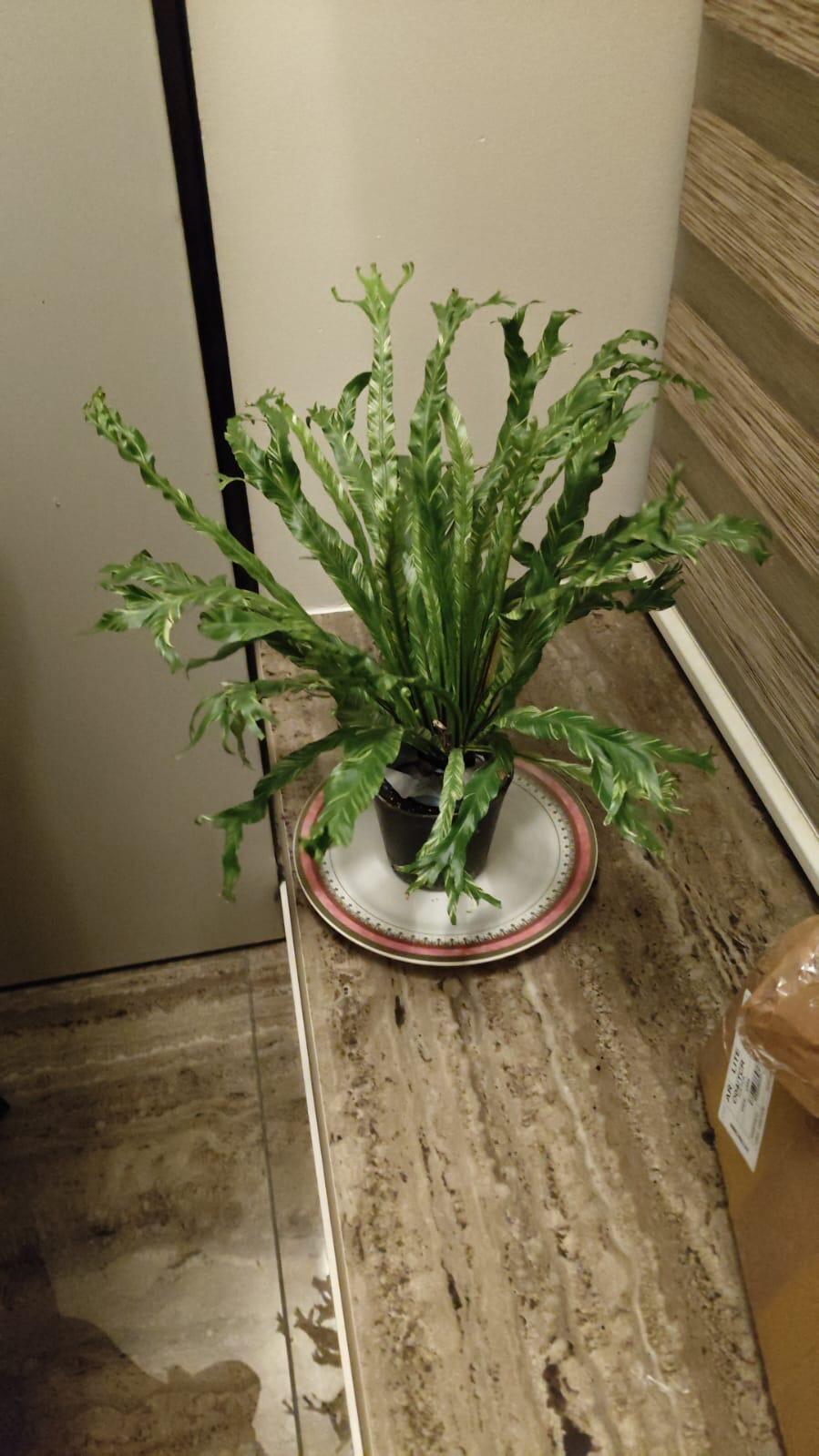
The Dwarf ZZ plant, a compact variant of the widely beloved Zamioculcas zamiifolia, captivates with its distinctively glossy, dark green foliage that emerges in an elegant upright fashion. Hailing from the arid plains of East Africa, this remarkable tropical gem is celebrated for its exceptional drought tolerance and ability to thrive in a variety of indoor conditions, making it an ideal choice for both novice and seasoned plant enthusiasts seeking a resilient and visually appealing addition to their living spaces.
🌟 Overview
The Dwarf ZZ, a botanical marvel, is famed for its near-indestructible nature. Its waxy, almost succulent-like leaves store water, allowing it to withstand periods of neglect. Perfect for busy individuals or those new to plant care, it effortlessly adds a touch of lush greenery without demanding constant attention.
-
Botanical Name: Houseplant hybrid (Zamioculcas zamiifolia 'Dwarf' type)
-
Common Names: Dwarf ZZ Plant, Eternity Plant, ZZ Gem
-
Family: Araceae
-
Growth Habit: Upright, compact
-
Foliage: Glossy, dark green, pinnate leaves
☀️ Light Requirements
The Dwarf ZZ plant is incredibly adaptable when it comes to light, tolerating a wide range of conditions. For optimal growth and the most vibrant foliage, provide it with:
-
Ideal: Bright, indirect light from an east or north-facing window.
-
Tolerates: Low light conditions, though growth may slow and leaves may be less robust.
-
Avoid: Direct, intense sunlight, which can scorch its delicate leaves.
💧 Water Requirements
This plant is famously drought-tolerant due to its rhizomatous roots that store water. Overwatering is the most common cause of issues.
-
Frequency: Allow the soil to dry out completely between waterings. Typically every 2-4 weeks, depending on light and humidity.
-
Method: Water thoroughly until water drains from the bottom of the pot. Discard any excess water.
-
Tip: Err on the side of underwatering rather than overwatering.
📏 Size & Growth
The Dwarf ZZ plant is a slow to moderate grower, making it a perfect long-term resident for smaller spaces or tabletops.
-
Mature Height: Typically grows 1-2 feet tall indoors.
-
Mature Spread: 1-2 feet wide.
-
Growth Rate: Slow to moderate.
-
Potting: Prefers to be slightly root-bound. Repot only when necessary, usually every 2-3 years.
🌍 Origin & Characteristics
Native to the dry grasslands and forests of eastern Africa, the ZZ plant's robust nature evolved to survive harsh, arid environments. Its thick, waxy leaves and potato-like rhizomes are adaptations for water storage, explaining its exceptional resilience.
-
Resilience: Known as one of the toughest houseplants, forgiving of neglect.
-
Air Purification: Believed to help purify indoor air.
-
Aesthetic: Modern, architectural look complements various interior designs.
📇 Toxicity & Safety Warning
All parts of the ZZ plant are considered toxic if ingested due to the presence of calcium oxalate crystals, which can cause irritation.
-
Pets: Keep out of reach of pets (cats, dogs, etc.) as ingestion can lead to oral irritation, pain, and vomiting.
-
Humans: Handle with care. It's advisable to wear gloves when pruning or repotting to avoid skin irritation, especially for those with sensitive skin.
-
Children: Keep away from young children.
❓ FAQs
Q: Why are my Dwarf ZZ leaves turning yellow?
A: Yellowing leaves are most often a sign of overwatering. Ensure the soil dries out completely between waterings. It can also indicate too much direct sun or nutrient deficiency.
Q: How do I propagate a Dwarf ZZ plant?
A: Dwarf ZZ plants can be propagated from leaf cuttings or stem cuttings. Place cuttings in water or well-draining soil, and be patient, as root development can take several months.
Q: Does the Dwarf ZZ plant need fertilizer?
A: While not strictly necessary, you can feed your Dwarf ZZ with a balanced liquid houseplant fertilizer once or twice during the growing season (spring and summer) at half strength. Avoid fertilizing in fall and winter.