

Cart
0


*Images are for reference only
×



Share this product
4.4
★
★
★
★
☆
Based on 13 reviews
We deliver within 7–10 working days.
Vendor: Jiffy Plants
Couldn't load pickup availability
100% Live & Healthy Plant
Secure payment
Healthy Roots Guarantee 🌱
Guarantee safe checkout


Episcia Check Bird - Red Flower
Rs. 125.00

Size: Single Plant | 2.5" Pot Included
The Episcia Check Bird with red flowers, likely a cultivar of Episcia cupreata, requires specific care to thrive and display its vibrant foliage and blooms.
Here's a guide to keeping your Episcia Check Bird - Red Flower plant happy:
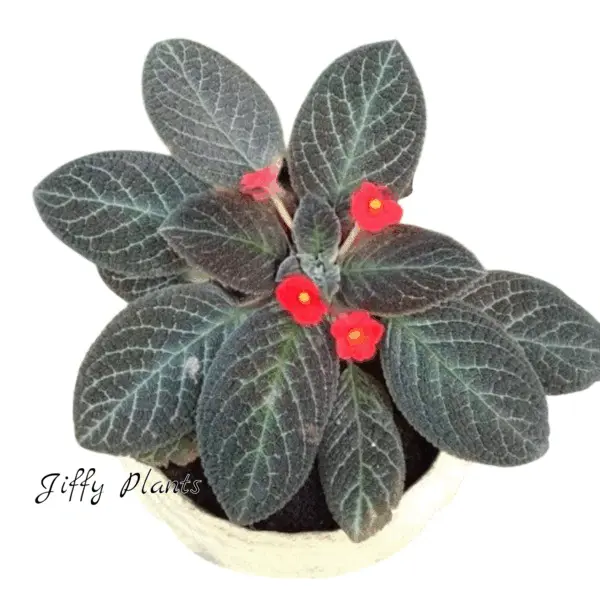 Episcia Check Bird - Red Flower
 Light
- Bright, indirect light is essential. Avoid direct sunlight, which can scorch the delicate leaves and fade their colors.
- East- or north-facing windows are ideal. West-facing windows can work if the plant is shielded from the intense afternoon sun.
- If the leaf color starts to fade, it might be receiving too much light.
Watering
- Keep the soil consistently moist but not waterlogged. Allow the top inch of soil to slightly dry out before watering again.
- Never let the soil dry out completely, as this can lead to brown, crispy leaf edges.
- Avoid getting water on the leaves, as this can cause spotting or fungal issues. Use lukewarm water.
- In winter, when the plant's growth slows down, you can allow the soil to become a little drier between waterings.
Humidity
- High humidity is crucial for Episcias. Aim for humidity levels between 50% and 70%.
- Increase humidity by:
- Using a humidifier.
- Placing the pot on a pebble tray filled with water (ensure the bottom of the pot is above the water line).
- Grouping plants together.
- Misting regularly with lukewarm water, being mindful of not over-wetting the leaves.
- Insufficient humidity can lead to brown leaf margins. Terrariums can provide the necessary high humidity.
Episcia Check Bird - Red Flower Temperature
- Maintain warm temperatures between 65°F (18°C) and 80°F (27°C).
- Avoid cold drafts and sudden temperature changes. Temperatures below 50°F (10°C) can be fatal.
Soil
- Use a well-draining, rich potting mix. An African violet mix or a peat-based mix amended with perlite or vermiculite works well. Shallow pots are preferable due to the plant's shallow root system.
Fertilizing
- Feed your Episcia regularly during the growing season (spring and summer) with a balanced liquid fertilizer diluted to half the recommended strength, or use a fertilizer specifically formulated for African violets.
- Fertilize every 2-4 weeks during active growth.
- Reduce or stop fertilizing during fall and winter when the plant's growth slows.
Propagation
- Episcias, including 'Check Bird', readily propagate from their stolons (runners). Simply cut off the small plantlets that form on the stolons and pot them in fresh soil.
Pests and Diseases
- Watch out for common houseplant pests like mealybugs and spider mites. High humidity can help prevent spider mites.
- Ensure good air circulation to prevent fungal diseases like botrytis or powdery mildew. Avoid overly wet leaves. Overwatering can lead to root rot.
Important Considerations
- Episcias are prized for their beautiful foliage as well as their flowers. Providing the right conditions will enhance both.
- Consistent care, especially regarding humidity and watering, is key to preventing leaf damage and encouraging healthy growth and flowering.
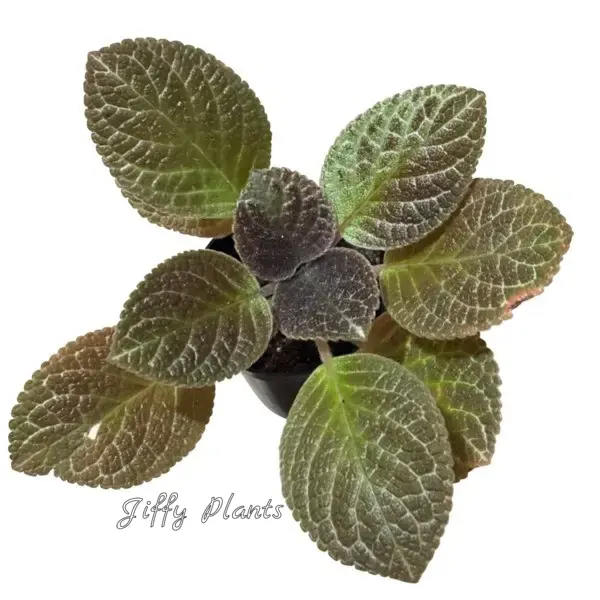 Episcia Check Bird - Red Flower
 By following these care guidelines, you can enjoy the unique beauty of your Episcia 'Check Bird' with its striking red flowers and attractive foliage.
Customer Reviews for Jiffy Plants
F
Is the venus fly trap really in good condition if anyone has bought it.
A
Plant were all had pest holes
R
Plants were healthy and packing was quite good!! Happy with my plants
S
I received all the plants that I ordered in excellent condition. The packaging was perfect and the plants arrived as if I brought them from a nursery personally.
P
Excellent
S
All the plants i recieved were in a very good condition and a recieved them wothin 2 days and the price was also good
C
Received the plants in very good condition, thank you so much.
N
Excellent service and products.
T
This plant came in good condition
S
Had ordered ten plants in coco peat seeding capsules. It was delivered well packed and all the plants were healthy. Foliage.in platform friends were quick and very helpful with my queries. Appreciate the quality of plants and HR
J
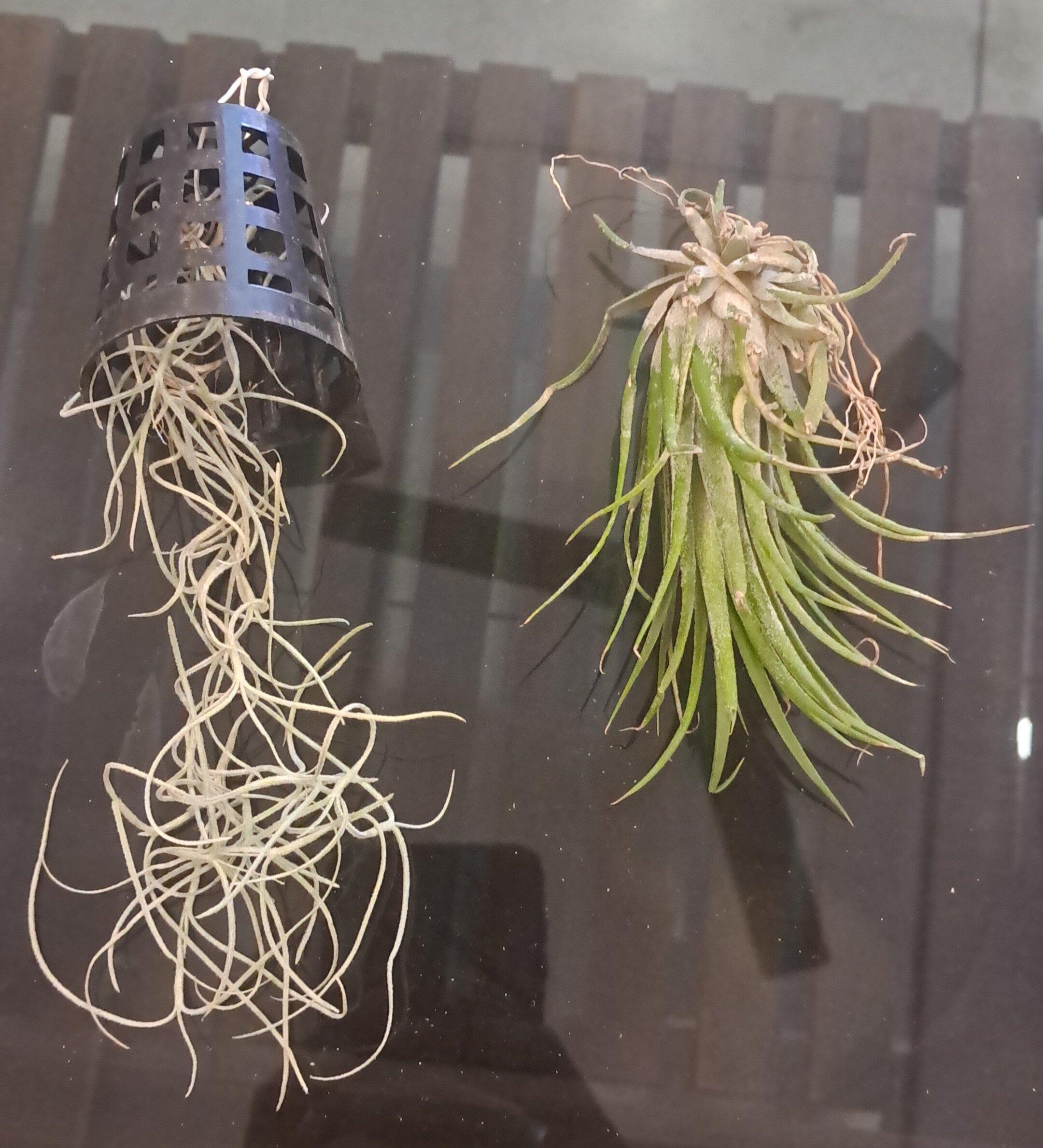
I bought Spanish moss and Tillandsia from Jiffy Plants and both came in good condition with good packing.
R
Plants are very healthy. Good packing too.
T
Excellent service and good product. Plant arrived healthy, well-packaged, and already budding. Very happy with my purchase