

Cart
0


*Images are for reference only
×



Share this product
4.4
★
★
★
★
☆
Based on 13 reviews
We deliver within 7–10 working days.
Vendor: Jiffy Plants
Couldn't load pickup availability
100% Live & Healthy Plant
Secure payment
Healthy Roots Guarantee 🌱
Guarantee safe checkout


Euphorbia anoplia Cactus
Rs. 449.00

Selling Size : Single Plant | Pot Included | Secure Packing
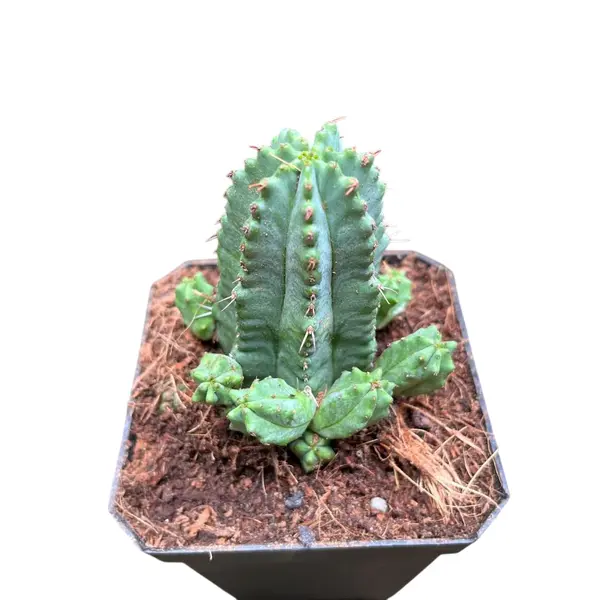
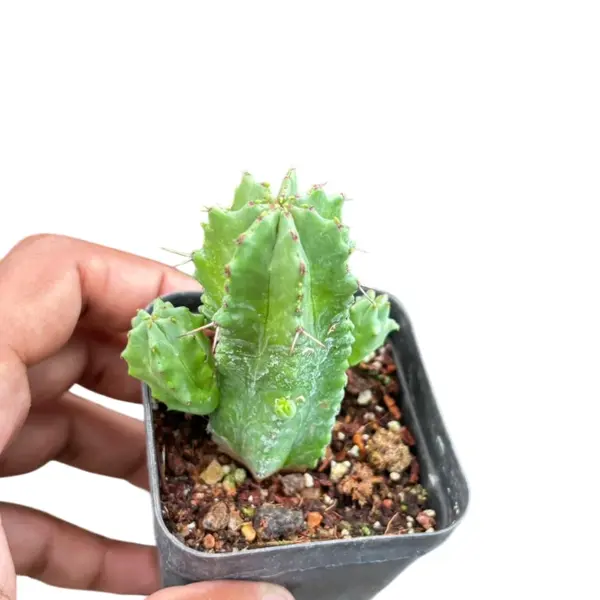
The Euphorbia anoplia Cactus, also known as the Tanzanian Zipper Plant, is a unique succulent that resembles a cactus but is actually a member of the Euphorbia family (spurges). It's generally low-maintenance, provided you follow a few key succulent care principles.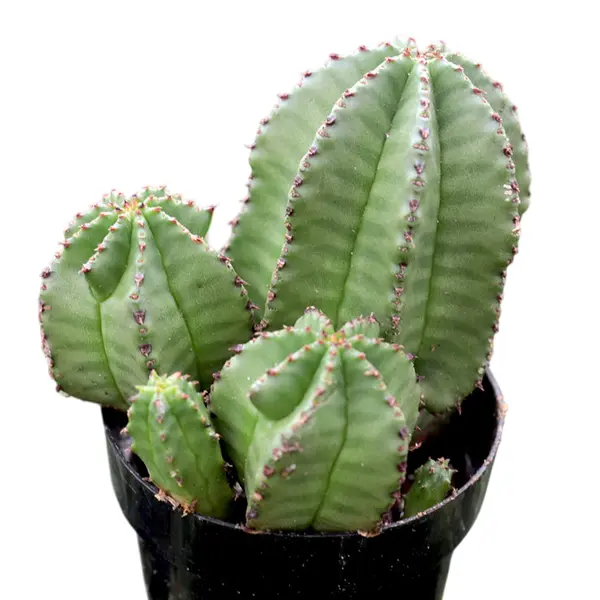 Euphorbia anoplia Cactus
 Here is a care guide for your Euphorbia anoplia Cactus :
1. Light Requirements
- Bright Light is Best: The plant thrives in bright, indirect light to full sun (at least 6 hours of direct sun per day).
- Indoor Placement: A south or west-facing window is ideal for maximum light exposure.
- Encourages Bloom: Plenty of bright light is essential to encourage its small purple or red flowers to bloom in the spring and summer.
- A Word of Caution: While it can tolerate full sun, if you move it from a lower-light spot to intense direct sun, do so gradually to prevent scorching.
2. Watering
- Drought Tolerant: Like most succulents, it is extremely drought-tolerant and very sensitive to overwatering, which can lead to fatal root rot.
-
The "Soak and Dry" Method: Wait for the soil to completely dry out between waterings.
- Growing Season (Spring/Summer): Water thoroughly only when the soil is completely dry, which might be every 2-4 weeks depending on heat and light.
- Dormancy (Autumn/Winter): Significantly reduce watering. The plant is dormant and can often go for 1-3 months without water. Overwatering during this cooler, darker period is the most common cause of death.
 Euphorbia anoplia Cactus
 3. Soil and Potting
- Well-Draining Soil is Crucial: Use a specialized cactus and succulent potting mix. You can enhance drainage by mixing standard potting soil with inorganic grit like coarse sand, perlite, or pumice (aim for about 50-75% mineral grit).
- Pot Drainage: Always use a pot with a drainage hole to ensure excess water can escape.
- Repotting: Repot only when necessary (usually every few years) into a container that is only slightly larger than the old one, as it prefers a snug fit.
4. Temperature and Humidity
- Warmth is Preferred: It prefers warm, dry conditions. Average room temperatures (18–24°C or 65–75°F) are ideal during the growing season.
- Cold Intolerance: It is not frost-tolerant. Protect it from cold drafts and ensure temperatures do not drop below 10°C (50°F), especially if the soil is damp.
- Humidity: It does best in low humidity. High humidity, especially combined with cool temperatures, can encourage rot or fungal issues.
5. Fertilizing
- Infrequent Feeding: This slow-growing plant does not require much fertilizer.
- When to Feed: If you choose to fertilize, do so only once or twice during the spring and summer growing season.
- What to Use: Use a diluted liquid fertilizer formulated for cacti and succulents, or a balanced, slow-release fertilizer at half the recommended strength.
 Euphorbia anoplia Cactus
 Important Safety Warning
Euphorbia anoplia, like all Euphorbia species, produces a white, milky sap called latex (or wolfsmilk) when its skin is broken.- Toxicity: This sap is toxic and an irritant. It can cause skin irritation, eye damage, and be harmful if ingested by humans or pets.
- Handling: Always wear gloves and eye protection when handling, pruning, or repotting the plant.
- First Aid: If the sap gets on your skin, wash it off immediately with soap and water. Seek medical attention if it gets in your eyes or is ingested.
Customer Reviews for Jiffy Plants
F
Is the venus fly trap really in good condition if anyone has bought it.
A
Plant were all had pest holes
R
Plants were healthy and packing was quite good!! Happy with my plants
S
I received all the plants that I ordered in excellent condition. The packaging was perfect and the plants arrived as if I brought them from a nursery personally.
P
Excellent
S
All the plants i recieved were in a very good condition and a recieved them wothin 2 days and the price was also good
C
Received the plants in very good condition, thank you so much.
N
Excellent service and products.
T
This plant came in good condition
S
Had ordered ten plants in coco peat seeding capsules. It was delivered well packed and all the plants were healthy. Foliage.in platform friends were quick and very helpful with my queries. Appreciate the quality of plants and HR
J
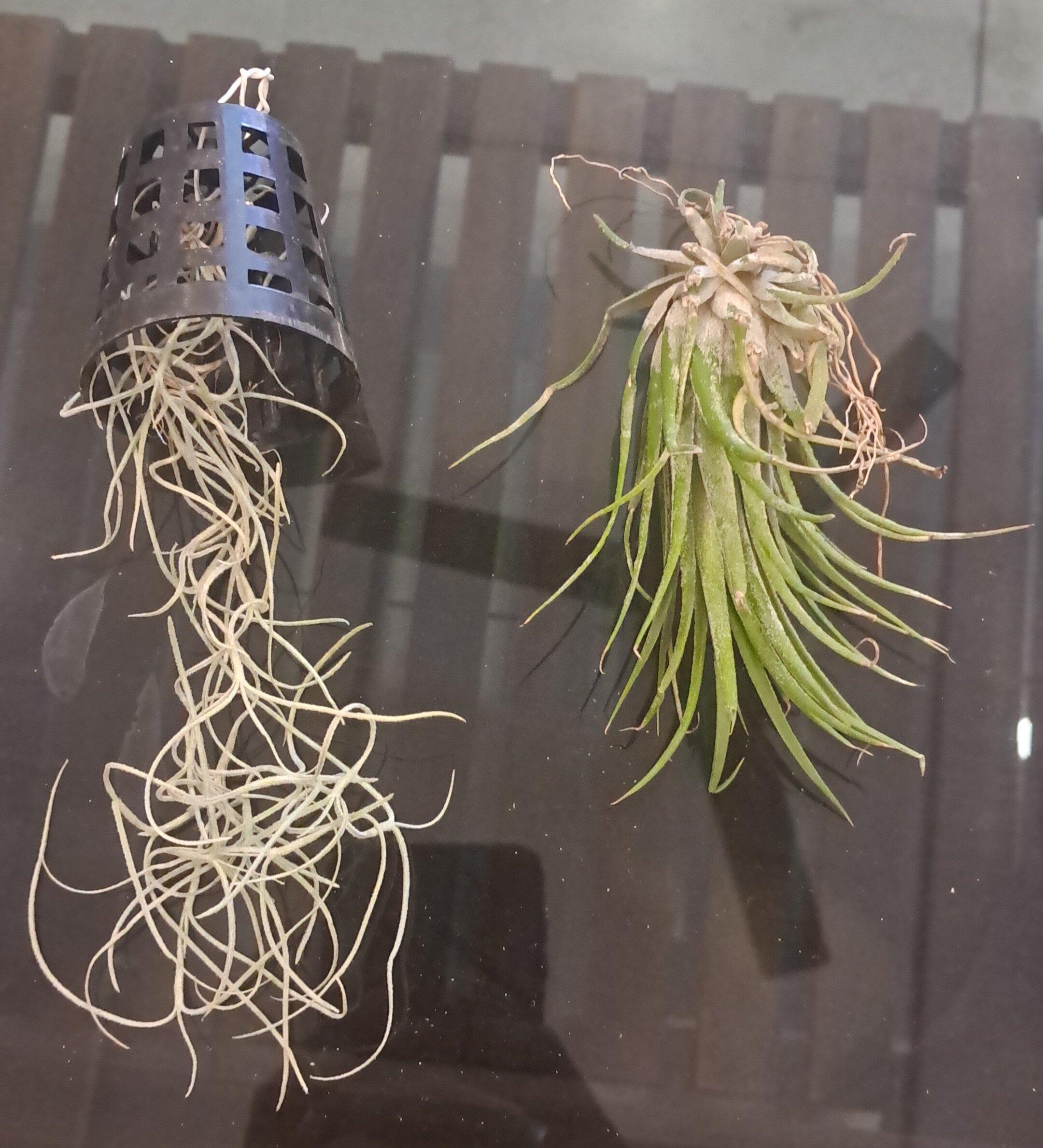
I bought Spanish moss and Tillandsia from Jiffy Plants and both came in good condition with good packing.
R
Plants are very healthy. Good packing too.
T
Excellent service and good product. Plant arrived healthy, well-packaged, and already budding. Very happy with my purchase