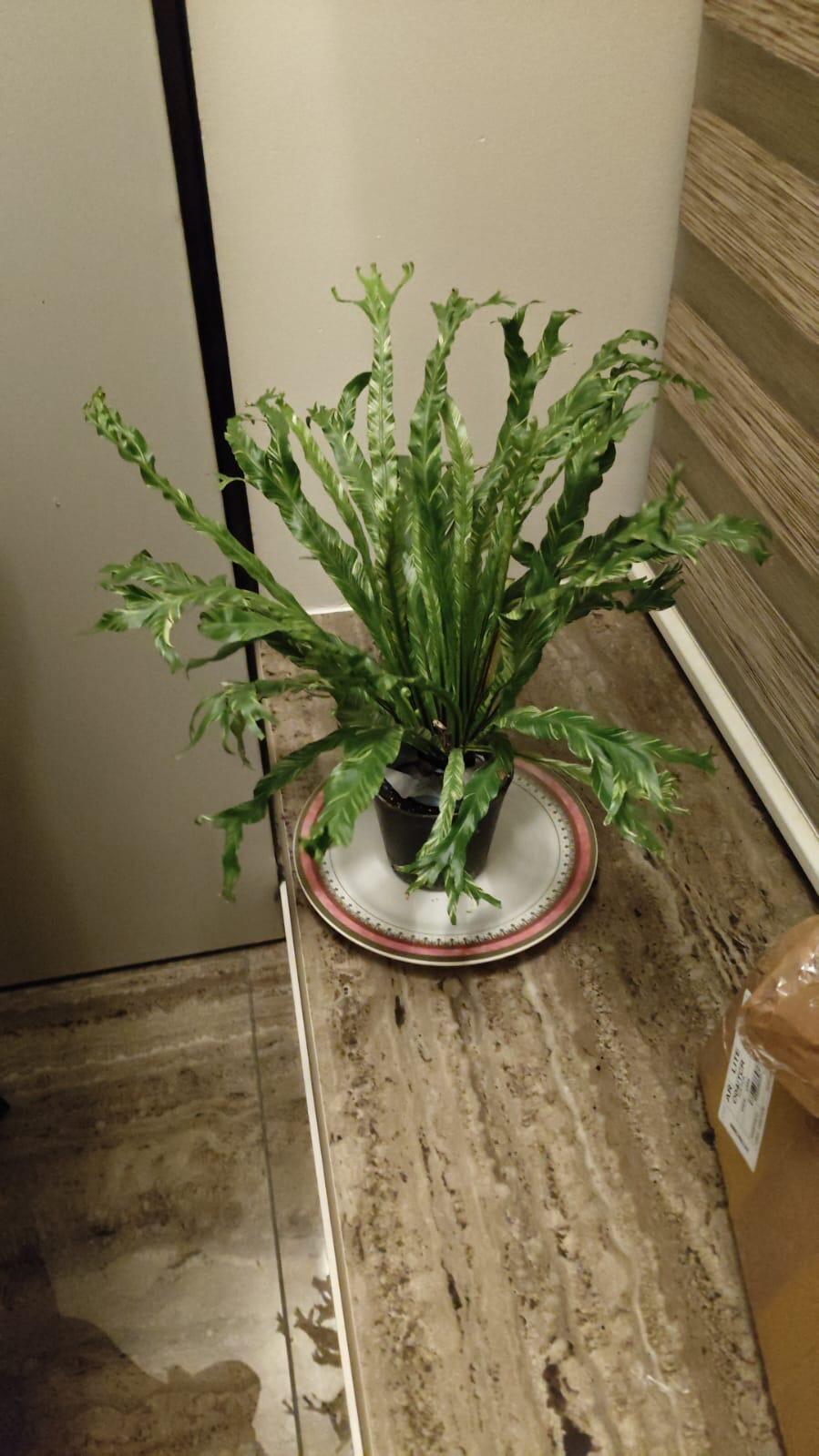
The Purple Passion plant, scientifically known as Gynura aurantiaca, is a captivating tropical houseplant celebrated for its striking, velvety foliage. Hailing from the lush tropical regions of Java, this unique plant boasts deeply serrated green leaves covered in a dense layer of vibrant purple hairs, giving it an iridescent, almost fuzzy appearance. Its dramatic coloration and intriguing texture make it a standout addition to any indoor plant collection, offering a touch of exotic beauty and a fascinating sensory experience.
🌟 Overview
-
Common Names: Purple Passion Plant, Velvet Plant, Gynura
-
Botanical Name: Gynura aurantiaca (often sold as a Houseplant Hybrid)
-
Family: Asteraceae
-
Native Region: Java, Indonesia
-
Key Feature: Iridescent, velvety purple-hued foliage that catches the light beautifully.
☀️ Light Requirements
- Thrives in bright, indirect light to maintain its vibrant purple coloration.
- Direct sunlight can scorch the delicate leaves and dull the purple intensity.
- Insufficient light will lead to leggy growth and less vivid foliage.
💧 Water Requirements
- Water thoroughly when the top 1-2 inches of soil feel dry to the touch.
- Allow excess water to drain completely to prevent root rot.
- Prefers high humidity; consider misting regularly or placing it near a humidifier, avoiding direct water on leaves to prevent spotting.
- Reduce watering slightly in winter months.
📏 Size & Growth
-
Growth Habit: Can grow as a bushy plant or develop trailing vines, making it suitable for hanging baskets or shelves.
-
Mature Size: Typically reaches 1-2 feet in height and spread.
-
Growth Rate: Moderately fast under optimal conditions.
-
Pruning: Regular pruning helps maintain a bushy form and encourages new, vibrant growth.
🌍 Origin & Characteristics
- Native to the warm, humid understories of Indonesian forests, particularly Java.
- The distinctive purple 'hairs' (trichomes) are a unique evolutionary adaptation, providing both visual appeal and a protective layer.
- While it can produce small, orange, daisy-like flowers, they often have a strong, somewhat unpleasant odor and are usually pinched off to encourage more foliage growth.
📇 Toxicity & Safety Warning
- The Purple Passion plant is considered mildly toxic if ingested.
- Keep out of reach of pets and children to avoid any potential irritation or discomfort.
- Handle with care if you have sensitive skin, as contact with the sap can occasionally cause mild irritation.
❓ Frequently Asked Questions
Q: Why are my Purple Passion plant leaves turning brown?
A: Browning leaves can indicate several issues, including underwatering, low humidity, or too much direct sunlight. Ensure consistent moisture, adequate humidity, and bright indirect light for optimal health.
Q: How do I make my Purple Passion plant more vibrant?
A: Providing consistent bright, indirect light is crucial for intense purple coloration. Higher humidity and regular pruning to encourage fresh growth will also contribute to a more vibrant and lush plant.
Q: Can I propagate my Purple Passion plant?
A: Yes, Purple Passion plants are quite easy to propagate from stem cuttings. Simply take a cutting with a few nodes, remove the lower leaves, and place it in water or a moist, well-draining potting mix until roots develop.