

Cart
0


*Images are for reference only
×



Share this product
4.4
★
★
★
★
☆
Based on 13 reviews
We deliver within 7–10 working days.
Vendor: Jiffy Plants
Couldn't load pickup availability
100% Live & Healthy Plant
Secure payment
Healthy Roots Guarantee 🌱
Guarantee safe checkout


Heliconia Aemygdiana
Rs. 599.00

Selling Size : Single Plant | Pot Included | Secure Packing
The Heliconia aemygdiana is a striking, medium-sized tropical perennial native to South America, known for its unique, colorful, erect inflorescences. Like most heliconias, its care focuses on recreating the warm, moist, and protected environment of its native rainforest habitat.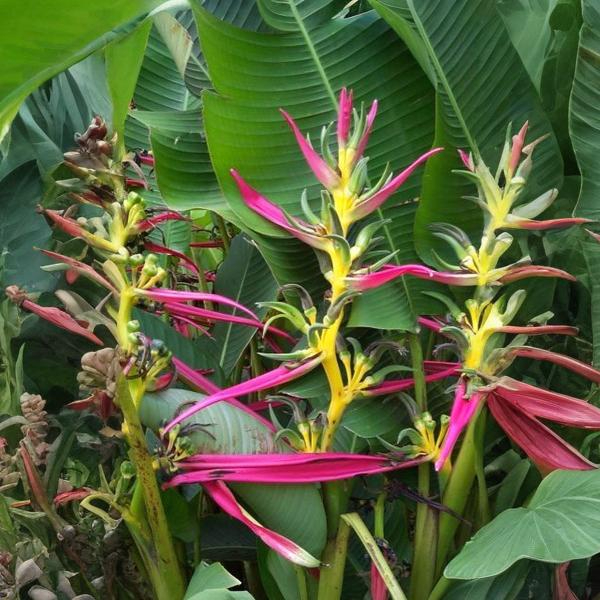 Heliconia Aemygdiana
 Here is a guide to caring for Heliconia Aemygdiana:
1. Light and Placement
| Requirement | Details |
| Light Exposure | Partial Sun to Partial Shade (Medium Shade). It thrives best when protected from the intense, direct sun of the hottest part of the day, preferring a filtered sunlight environment, such as under a tree canopy. |
| Outdoors | Plant in a location that receives bright morning sun or filtered light all day. |
| Wind | Plant in an area sheltered from wind. Its large, banana-like leaves are prone to tearing and tattering in strong breezes, which ruins their tropical appearance. |
| Hardiness Zone | USDA Zones 9-11. It is not frost tolerant. In Zone 9, it may freeze back to the ground in winter but can survive and re-sprout from the rhizomes in the spring if well-mulched. |
2. Water and Humidity
| Requirement | Details |
| Watering | Frequent and generous. Heliconias are very thirsty plants. The soil should be kept consistently moist but must not be waterlogged, which can lead to rhizome rot. |
| Schedule | Water freely during the active growing season (warmer months). Reduce watering in winter, but do not let the soil dry out completely. |
| Humidity | High humidity is essential. Brown leaf edges are a common sign of low humidity. If growing indoors or in a dry climate, regular misting, a humidifier, or a pebble tray is recommended. |
3. Soil and Fertilization
| Requirement | Details |
| Soil | Requires rich, organic, and well-draining soil. A mix high in organic matter like compost, peat moss, or manure is ideal. |
| Drainage | Excellent drainage is non-negotiable. Poorly drained, soggy soil is the quickest way to kill a heliconia due to rhizome rot. |
| Fertilizer | Heavy feeder when actively growing. |
| Schedule | Use a slow-release, balanced fertilizer (e.g., NPK 14-14-14) every 3-4 months during the growing season, or a liquid fertilizer monthly. Fertilizers rich in magnesium are particularly beneficial for maintaining lush, green foliage. |
| Mulch | Apply a generous layer of organic mulch (compost, straw, or shredded bark) around the base. This helps retain soil moisture, keep the roots cool, and provides slow-release nutrients. |
4. Size and Characteristics Heliconia Aemygdiana
| Characteristic | Details |
| Mature Height | 5 to 10 feet (1.5 to 3 meters) tall, making it a medium-sized Heliconia. |
| Inflorescence | Erect (standing up), with colorful bracts. H. aemygdiana can have rose-purple/hot pink bracts with bright yellow rachis (the central axis) and apple-green true flowers. |
| Foliage | Broad, banana-like leaves. |
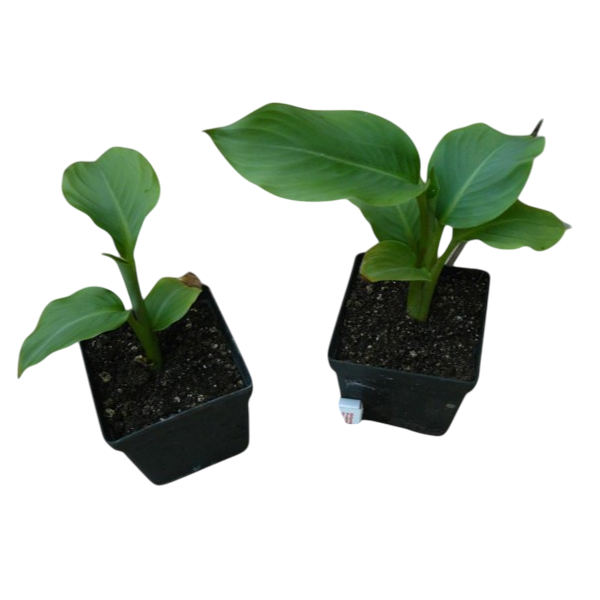 Heliconia Aemygdiana
 5. Maintenance and Pruning Heliconia Aemygdiana
| Requirement | Details |
| Pruning | Deadhead by cutting old flower stalks from the base once they are spent, as each stalk only flowers once. |
| Regularly remove any dead, yellow, or damaged leaves throughout the year. | |
| Thin out crowded stems (pseudostems) in early spring or late winter to improve air circulation and encourage new, healthy shoots. | |
| Cold Protection | In areas that experience occasional frost (Zone 9), mulch heavily in late fall to protect the rhizomes. Bring container-grown plants indoors before the first frost. |
| Pests/Disease | Generally low-maintenance and pest-free when healthy. Watch for fungal rot (caused by overwatering/poor drainage) and common pests like aphids or mealybugs. |
Customer Reviews for Jiffy Plants
F
Is the venus fly trap really in good condition if anyone has bought it.
A
Plant were all had pest holes
R
Plants were healthy and packing was quite good!! Happy with my plants
S
I received all the plants that I ordered in excellent condition. The packaging was perfect and the plants arrived as if I brought them from a nursery personally.
P
Excellent
S
All the plants i recieved were in a very good condition and a recieved them wothin 2 days and the price was also good
C
Received the plants in very good condition, thank you so much.
N
Excellent service and products.
T
This plant came in good condition
S
Had ordered ten plants in coco peat seeding capsules. It was delivered well packed and all the plants were healthy. Foliage.in platform friends were quick and very helpful with my queries. Appreciate the quality of plants and HR
J
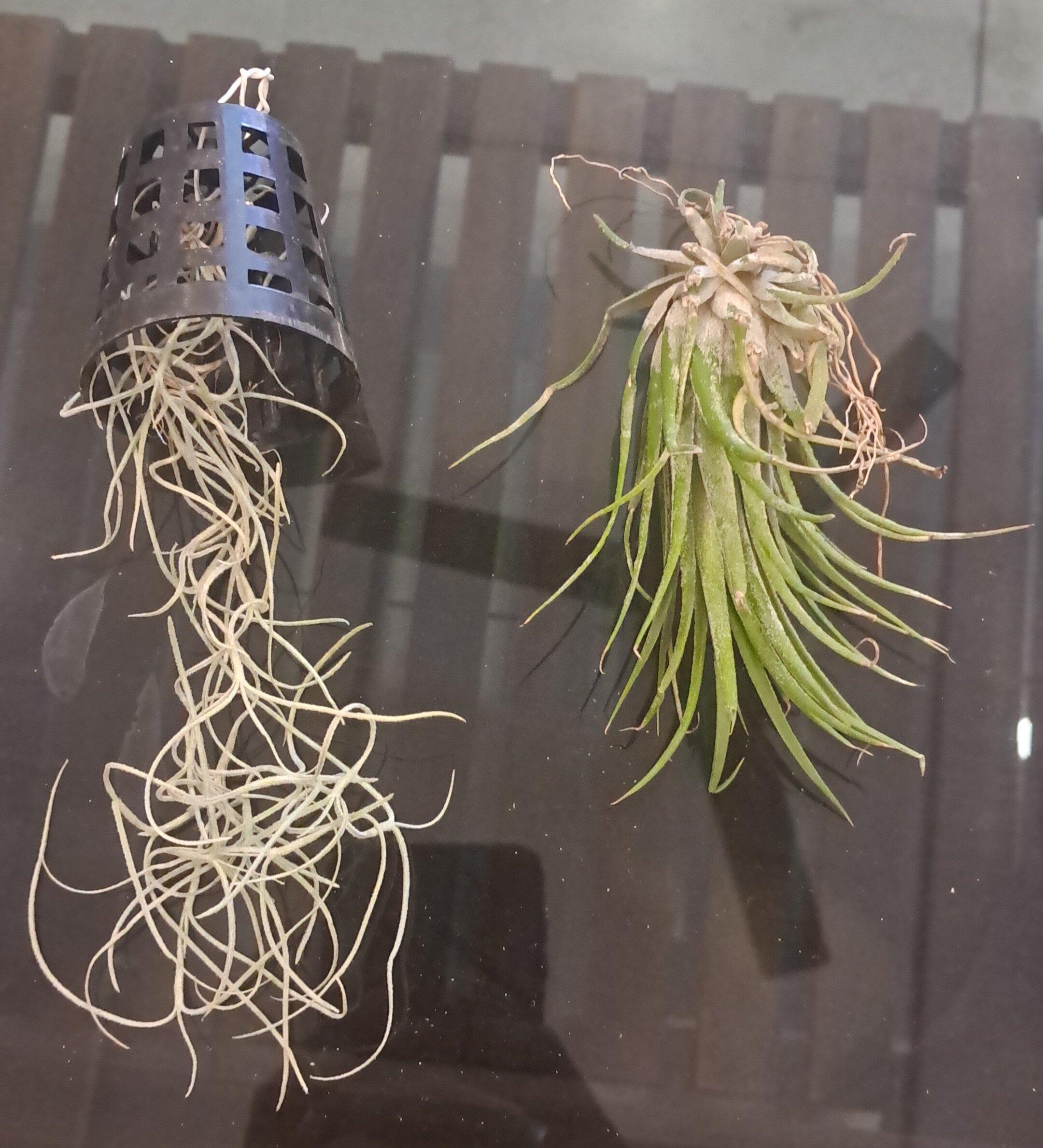
I bought Spanish moss and Tillandsia from Jiffy Plants and both came in good condition with good packing.
R
Plants are very healthy. Good packing too.
T
Excellent service and good product. Plant arrived healthy, well-packaged, and already budding. Very happy with my purchase