

Cart
0


*Images are for reference only
×



Share this product
4.4
★
★
★
★
☆
Based on 13 reviews
We deliver within 7–10 working days.
Vendor: Jiffy Plants
Couldn't load pickup availability
100% Live & Healthy Plant
Secure payment
Healthy Roots Guarantee 🌱
Guarantee safe checkout


Heliconia Aurea Sunrise
Rs. 599.00

Selling Size : Single Plant | Pot Included | Secure Packing
The Heliconia genus, including the 'Aurea Sunrise' cultivar, is prized for its dramatic, tropical look. 'Aurea Sunrise' likely refers to a variety with prominent yellow or golden coloration in its bracts (the showy, modified leaves that enclose the true flowers). Heliconias require conditions that mimic their native tropical rainforest environment.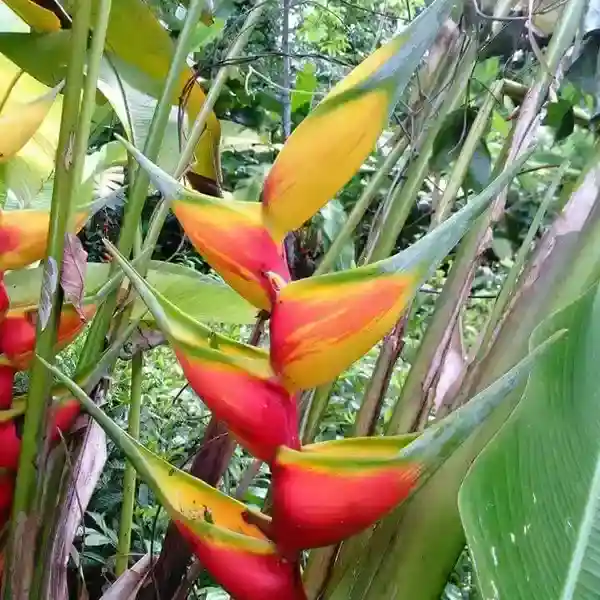 Heliconia Aurea Sunrise
 Here is a guide to caring for Heliconia Aurea Sunrise:
1. Ideal Environment & Climate
| Requirement | Details |
| Climate | Tropical to Warm Subtropical. Requires heat and high humidity to thrive. |
| Hardiness Zone | Best grown outdoors year-round in USDA Zones 10-11. In cooler zones, it must be grown in a container and protected indoors during cold weather. |
| Temperature | Prefers warm temperatures, ideally between 68∘F and 95∘F (20∘C and 35∘C). It is not frost-hardy and should be protected when temperatures drop below 50∘F (10∘C). |
| Mature Size | Size can vary greatly depending on the specific Heliconia species 'Aurea Sunrise' is derived from (e.g., H. psittacorum types are smaller, H. bihai types are larger). Most varieties are medium to large, ranging from 3 to 10 feet (1 to 3 meters) tall. |
| Placement | Choose a location sheltered from strong winds, as wind can shred the large, banana-like leaves. |
2. Light and Water
| Requirement | Details |
| Light Exposure | Full Sun to Partial Shade. While many Heliconias are understory plants, good light is essential for robust flowering. Full sun is often tolerated in the tropics, but in hot summer regions, morning sun and afternoon shade is ideal. Too little light will reduce flowering. |
| Watering | Frequent and consistent. The plant needs a lot of water to support its large foliage, especially during the growing season (spring and summer). Keep the soil consistently moist but never soggy or waterlogged. Allow the top inch of soil to feel dry before watering again. |
| Humidity | High humidity is essential. Dry air can cause the leaf edges to turn brown. Regular misting, a humidity tray, or grouping it with other plants is recommended, especially for potted indoor plants. |
3. Soil and Nutrients
| Requirement | Details |
| Soil | Rich, organic, and well-draining. Use a fertile, humus-rich soil mix. Incorporate a generous amount of compost, peat moss, or manure to ensure both fertility and good drainage. |
| Drainage | Excellent drainage is critical. Heliconias grow from rhizomes (underground stems), which will rot quickly in standing water or heavy, compacted clay. Raised beds or containers with drainage holes are excellent options. |
| Fertilizer | Heavy feeder. Fertilize regularly during the growing season (spring through fall). Use a balanced (e.g., NPK 2-1-2 or 19-19-19) or potassium-rich slow-release fertilizer every 2 to 4 months, or a liquid feed every 4 weeks. They particularly benefit from good nutrition for optimal flower color and yield. |
| Mulch | Apply a layer of organic mulch (like cane straw or bark chips) around the base of the plant to help retain moisture, keep roots cool, and suppress weeds. |
 Heliconia Aurea Sunrise
 4. Maintenance
| Requirement | Details |
| Pruning | Remove old stems: Once a stem has flowered, it will not bloom again. Cut the entire stem down to the ground to redirect energy to new shoots and encourage more flowers. |
| Foliage: Trim off dead, damaged, or yellowing leaves as they occur. | |
| Propagation | The plant spreads via rhizomes. To create new plants or manage the clump size, divide the rhizomes in spring. Ensure each new section has a bud or "eye." |
| Pests/Disease | Generally pest-resistant outdoors. Watch for common tropical pests like spider mites, aphids, or mealybugs on indoor or stressed plants. The main disease concern is rhizome or root rot, caused by poor drainage and overwatering. |
Customer Reviews for Jiffy Plants
F
Is the venus fly trap really in good condition if anyone has bought it.
A
Plant were all had pest holes
R
Plants were healthy and packing was quite good!! Happy with my plants
S
I received all the plants that I ordered in excellent condition. The packaging was perfect and the plants arrived as if I brought them from a nursery personally.
P
Excellent
S
All the plants i recieved were in a very good condition and a recieved them wothin 2 days and the price was also good
C
Received the plants in very good condition, thank you so much.
N
Excellent service and products.
T
This plant came in good condition
S
Had ordered ten plants in coco peat seeding capsules. It was delivered well packed and all the plants were healthy. Foliage.in platform friends were quick and very helpful with my queries. Appreciate the quality of plants and HR
J
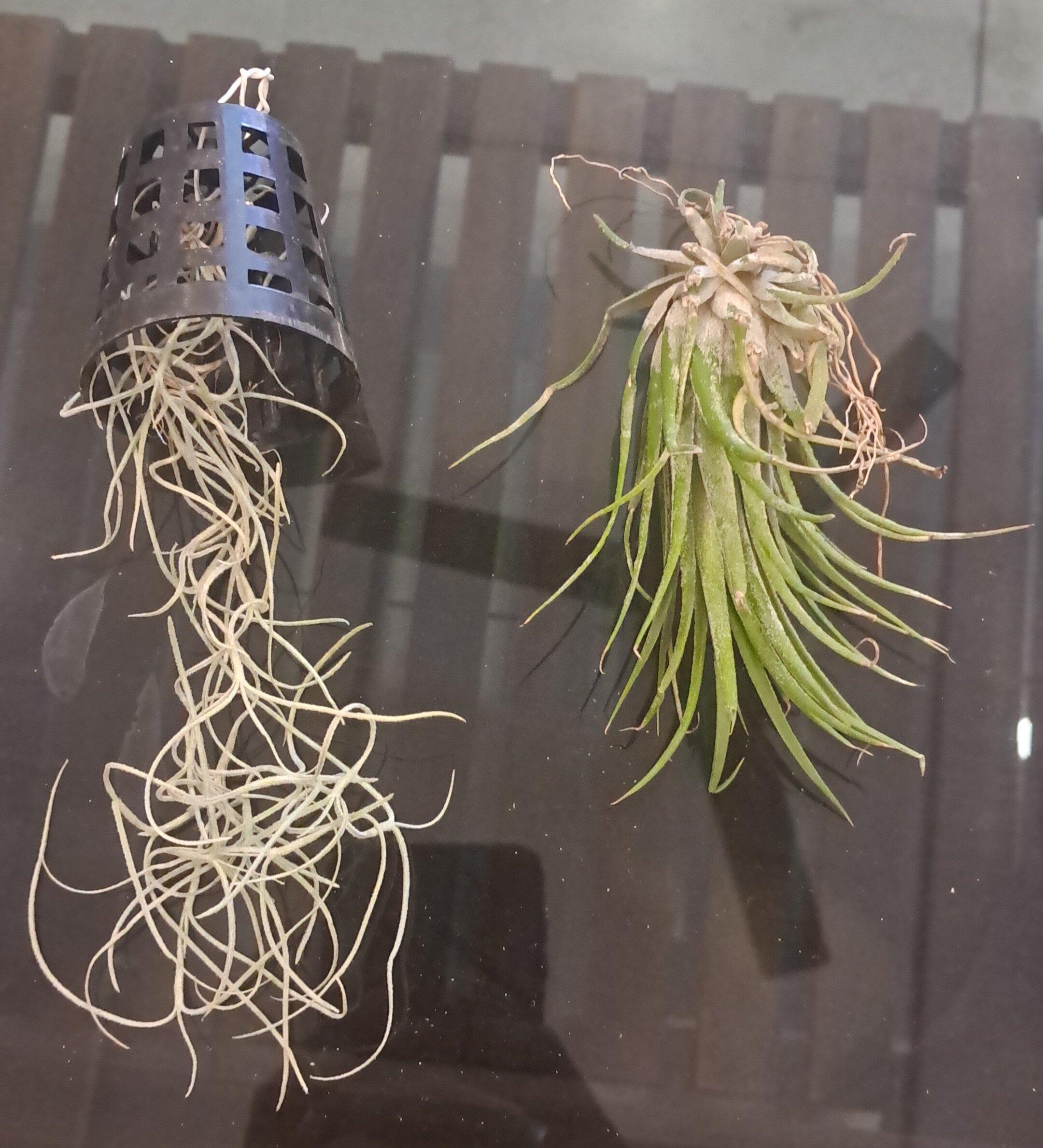
I bought Spanish moss and Tillandsia from Jiffy Plants and both came in good condition with good packing.
R
Plants are very healthy. Good packing too.
T
Excellent service and good product. Plant arrived healthy, well-packaged, and already budding. Very happy with my purchase