

Cart
0


*Images are for reference only
×



Share this product
4.4
★
★
★
★
☆
Based on 13 reviews
We deliver within 7–10 working days.
Vendor: Jiffy Plants
Couldn't load pickup availability
100% Live & Healthy Plant
Secure payment
Healthy Roots Guarantee 🌱
Guarantee safe checkout


Heliconia Latispatha
Rs. 599.00

Selling Size : Single Plant | Pot Included | Secure Packing
The Heliconia 'Latispatha' (also known as Expanded Lobsterclaw) is a popular, brightly colored tropical plant prized for its stunning, unique flower bracts. It is a robust grower and requires a warm, humid environment to truly flourish.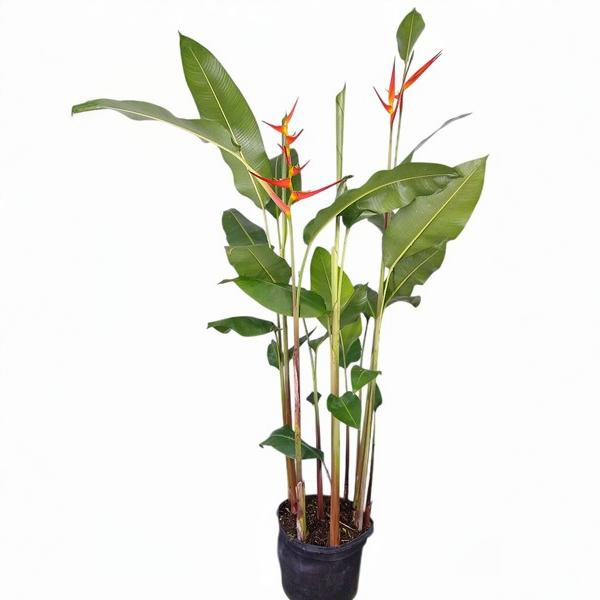 Heliconia Latispatha
 Here is a detailed guide to its care Heliconia Latispatha :
1. Light Requirements
- Preference: Full sun to partial shade.
- Outdoor: Plant it in a spot that receives 6 or more hours of direct sun for the best flowering. In extremely hot climates, some afternoon shade is beneficial to prevent leaf scorching.
- Indoor/Container: It needs the brightest possible spot. A south-facing window is ideal, but be mindful of direct intense glass-filtered sun. Full sun is best for bloom production.
2. Watering
- Consistency: Heliconias are native to rainforests and are not drought tolerant. The soil must be kept consistently moist—never allowed to dry out completely.
- Avoid Soggy Soil: While it loves water, it hates "wet feet." Ensure the soil is well-draining to prevent waterlogging, which can lead to root rot.
- Frequency: During the warm, active growing season, you may need to water every 2–3 days or more, depending on temperature and light. Reduce frequency in the winter.
3. Humidity
- Requirement: High (ideally 60% or higher).
- Symptoms of Low Humidity: Brown or crispy leaf margins.
- Solutions: Plant in a naturally humid location outdoors or, if growing in a container, use a humidifier, group it with other plants, or place it on a pebble tray filled with water.
4. Temperature
- Ideal Range: Warm, tropical temperatures, ideally between 20∘C to 35∘C (68∘F to 95∘F).
- Cold Sensitivity: It is not frost-tolerant and will suffer damage or die back below 10∘C (50∘F). If you live in a non-tropical climate, grow it in a pot and bring it indoors or into a greenhouse for the winter.
5. Soil and Fertilizing
- Soil: Use a fertile, loamy, and well-draining soil mix that is rich in organic matter. Good drainage is essential.
-
Fertilizer: It is a heavy feeder and needs regular fertilization during the active growing season (spring and summer).
- Apply a balanced slow-release fertilizer in spring.
- Supplement with a liquid fertilizer (like a 10-10-10 NPK) monthly during the summer to encourage robust growth and blooms.
- Do not fertilize in the fall and winter.
6. Pruning and Maintenance
- Flowering and Pseudostems: Heliconias grow from rhizomes and produce vertical stems called pseudostems (like a banana plant). Each pseudostem only blooms once.
- Post-Bloom Pruning: Once a stalk has bloomed, it will not flower again. Cut the spent flower stalk down to the ground to make room for new shoots and future blooms.
- Leaf Maintenance: Remove any dead, damaged, or yellowing leaves to keep the plant tidy and encourage new growth.
7. Repotting and Propagation
- Repotting: Repot every 2–3 years or when the plant becomes root-bound. Choose a large pot, as it can grow quite tall.
- Propagation: Heliconias are easily propagated by dividing the rhizomes in the spring. Dig up the clump, cut healthy rhizomes with a few growth "eyes" or buds using a clean, sharp tool, and replant the divisions.
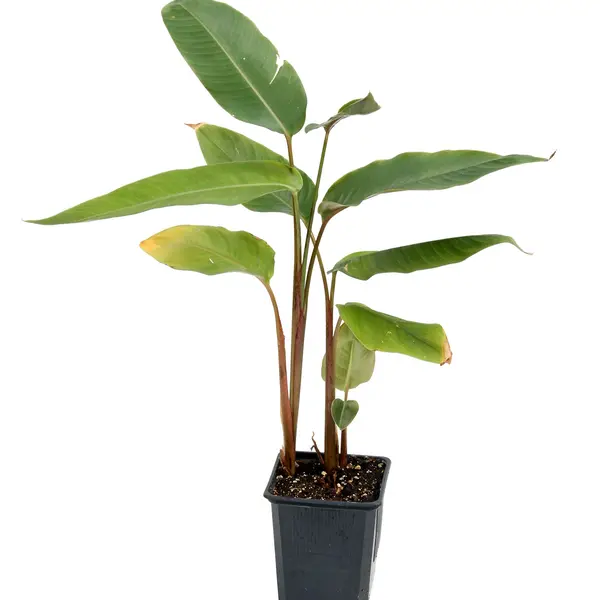 Heliconia Latispatha
 8. Common Issues Heliconia Latispatha
- Yellow Leaves: Usually a sign of overwatering (root rot) or, sometimes, a nutrient deficiency (like iron, if the soil is too alkaline). Check your watering habits first.
- No Flowers: The plant is likely not getting enough light, is too young (flowers usually appear after the first year), or needs more fertilizer.
- Pests: Watch for spider mites (often due to low humidity) and mealybugs. Treat with neem oil or insecticidal soap.
Customer Reviews for Jiffy Plants
F
Is the venus fly trap really in good condition if anyone has bought it.
A
Plant were all had pest holes
R
Plants were healthy and packing was quite good!! Happy with my plants
S
I received all the plants that I ordered in excellent condition. The packaging was perfect and the plants arrived as if I brought them from a nursery personally.
P
Excellent
S
All the plants i recieved were in a very good condition and a recieved them wothin 2 days and the price was also good
C
Received the plants in very good condition, thank you so much.
N
Excellent service and products.
T
This plant came in good condition
S
Had ordered ten plants in coco peat seeding capsules. It was delivered well packed and all the plants were healthy. Foliage.in platform friends were quick and very helpful with my queries. Appreciate the quality of plants and HR
J
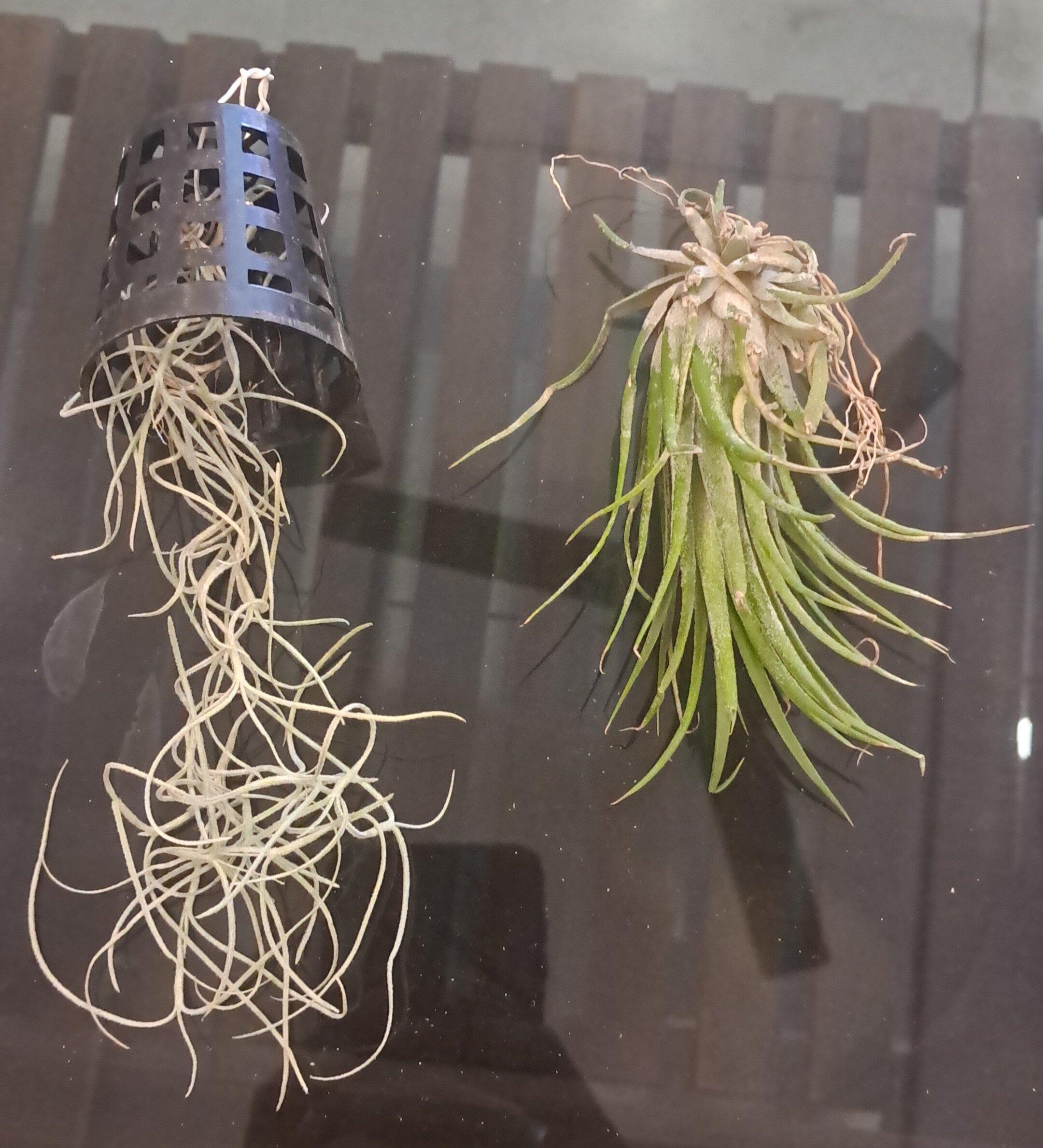
I bought Spanish moss and Tillandsia from Jiffy Plants and both came in good condition with good packing.
R
Plants are very healthy. Good packing too.
T
Excellent service and good product. Plant arrived healthy, well-packaged, and already budding. Very happy with my purchase