

Cart
0


*Images are for reference only
×



Share this product
4.4
★
★
★
★
☆
Based on 13 reviews
We deliver within 7–10 working days.
Vendor: Jiffy Plants
Couldn't load pickup availability
100% Live & Healthy Plant
Secure payment
Healthy Roots Guarantee 🌱
Guarantee safe checkout


Heliconia Mariae
Rs. 599.00

Selling Size : Single Plant | Pot Included | Secure Packing
The Heliconia Mariae (often called 'Beef Steak' or 'Lobster-claw') is a spectacular, tall tropical plant known for its large, pendent, red and yellow inflorescences.
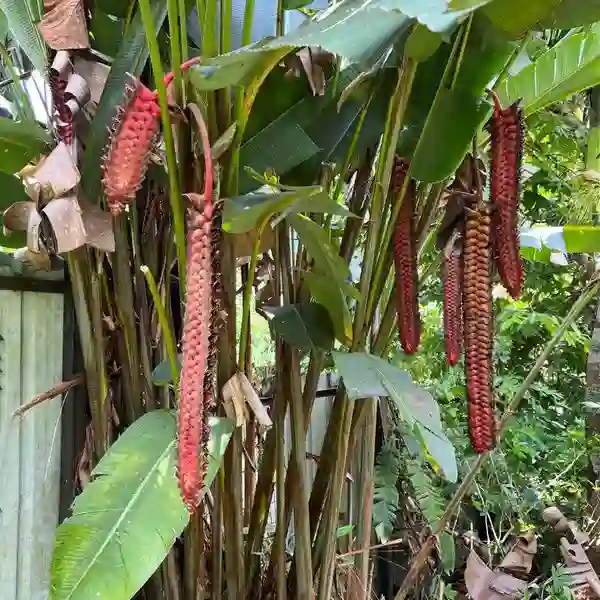 Heliconia Mariae
 Here are the key care guidelines for a Heliconia Mariae:
1. Light
- Ideal: Bright, filtered light to partial shade.
- Avoid: Too much intense, direct midday sun, which can scorch the leaves, or deep shade, which can reduce flowering.
2. Water & Humidity
- Watering: Keep the soil consistently moist but not waterlogged. They are moisture-loving plants but do not tolerate "wet feet" (root rot). Water regularly, especially during the warm growing season.
- Humidity: High humidity is essential, as they are native to tropical rainforests. If growing indoors or in a dry climate, regular misting, grouping plants, or using a pebble tray/humidifier will help.
3. Soil & Fertilizing
- Soil: Use a rich, fertile, and well-draining soil. Amending with organic matter like compost or well-rotted manure is beneficial. A slightly acidic to neutral pH (5.5-7.0) is preferred.
- Fertilizer: Feed monthly during the growing season (spring and summer) with a balanced, slow-release fertilizer or a liquid fertilizer, following the product instructions.
4. Temperature
- Warmth: Heliconia Mariae thrives in warm, tropical conditions. The ideal temperature range is typically 68∘F to 100∘F (20∘C to 38∘C).
- Cold Tolerance: They are not frost-hardy and should be protected from temperatures below 50∘F (10∘C). If growing in a cooler climate, it's best to grow them in containers to move indoors or to a sheltered location during cold weather.
5. Pruning
- Remove Spent Stems: Once a stem has flowered, that stem will not flower again. Cut back the old flower stem and any dead or damaged leaves and stems at the base to encourage new growth from the rhizomes.
- Thinning: Regular thinning helps improve air circulation, which can reduce the risk of pests and diseases. Prune in late winter or early spring.
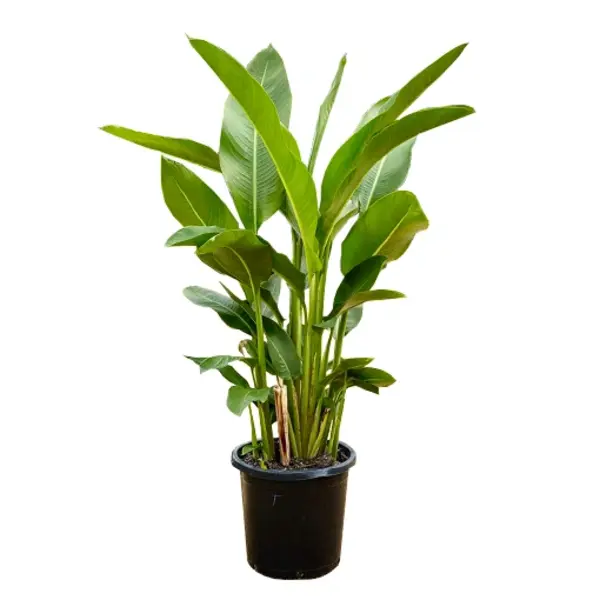 Heliconia Mariae
 6. Pests
- Keep an eye out for common pests like spider mites (especially in low humidity) and mealybugs. Treat immediately with appropriate horticultural oil or insecticidal soap.
Customer Reviews for Jiffy Plants
F
Is the venus fly trap really in good condition if anyone has bought it.
A
Plant were all had pest holes
R
Plants were healthy and packing was quite good!! Happy with my plants
S
I received all the plants that I ordered in excellent condition. The packaging was perfect and the plants arrived as if I brought them from a nursery personally.
P
Excellent
S
All the plants i recieved were in a very good condition and a recieved them wothin 2 days and the price was also good
C
Received the plants in very good condition, thank you so much.
N
Excellent service and products.
T
This plant came in good condition
S
Had ordered ten plants in coco peat seeding capsules. It was delivered well packed and all the plants were healthy. Foliage.in platform friends were quick and very helpful with my queries. Appreciate the quality of plants and HR
J
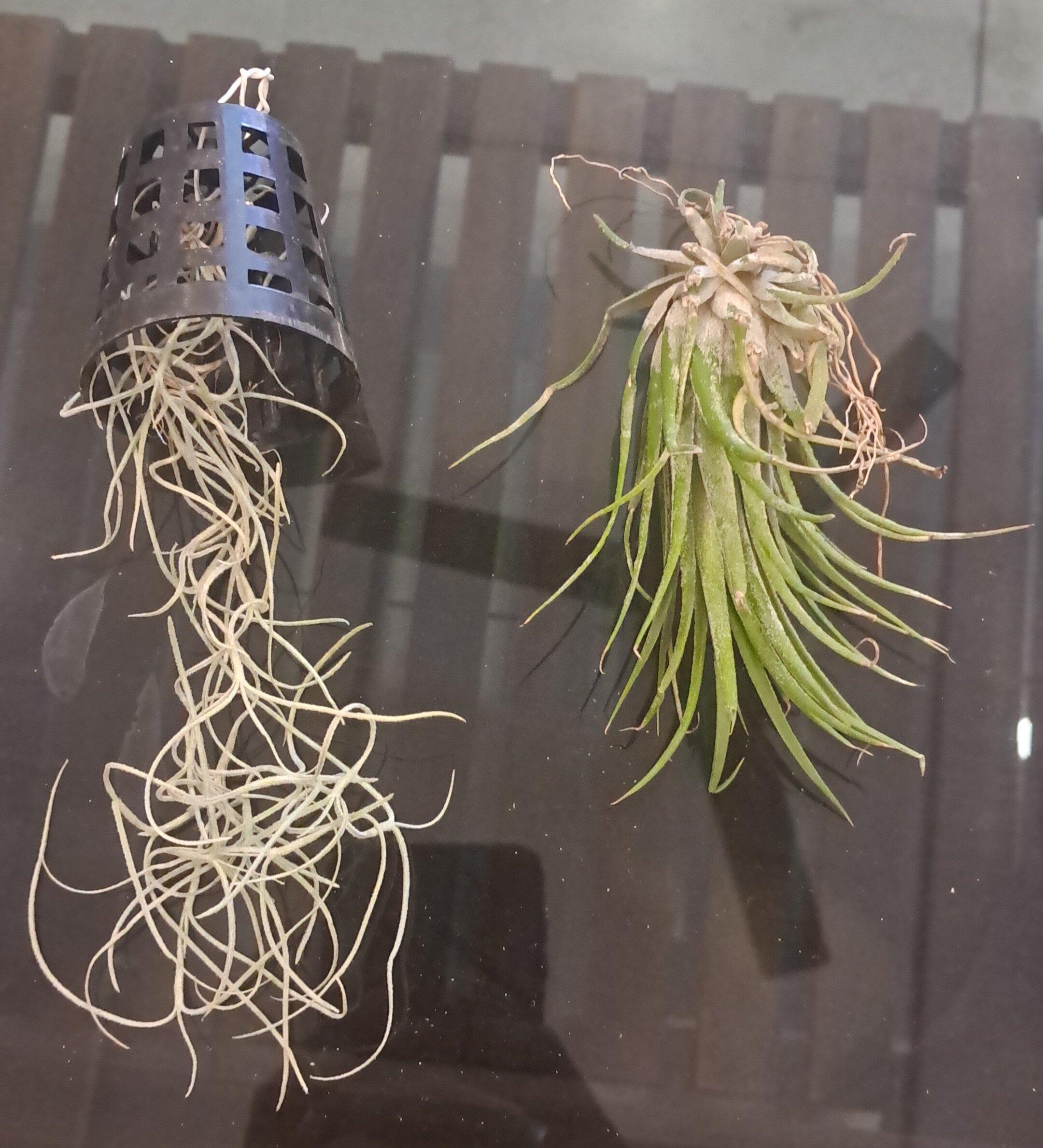
I bought Spanish moss and Tillandsia from Jiffy Plants and both came in good condition with good packing.
R
Plants are very healthy. Good packing too.
T
Excellent service and good product. Plant arrived healthy, well-packaged, and already budding. Very happy with my purchase