

Cart
0


*Images are for reference only
×



Share this product
4.4
★
★
★
★
☆
Based on 13 reviews
We deliver within 7–10 working days.
Vendor: Jiffy Plants
Couldn't load pickup availability
100% Live & Healthy Plant
Secure payment
Healthy Roots Guarantee 🌱
Guarantee safe checkout


Heliconia regalis Barnum and Bailey
Rs. 599.00

Selling Size : Single Plant | Pot Included | Secure Packing
The Heliconia regalis 'Barnum and Bailey' is a highly sought-after, rare tropical plant known for its dramatic, pendulous (hanging) inflorescences that are described as fuzzy (villous) and feature a vibrant mix of orange and yellow bracts. As a member of the Heliconia family, its care requirements follow the general needs of the genus, emphasizing warmth, high moisture, and rich soil.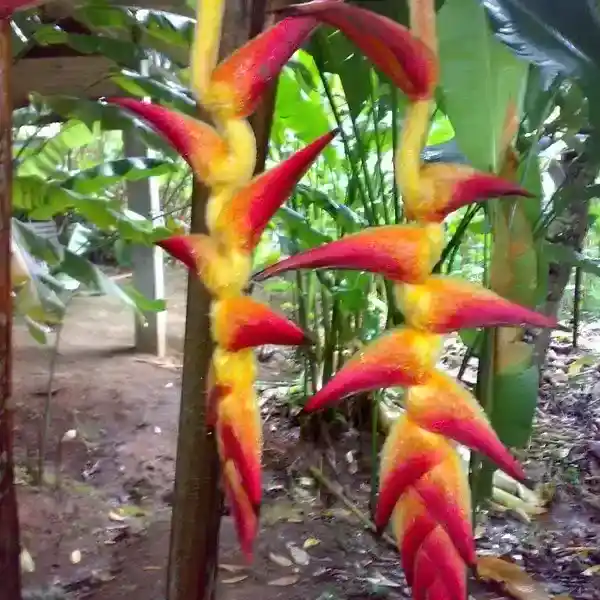 Heliconia regalis Barnum and Bailey
 Here is a detailed guide for caring for Heliconia regalis Barnum and Bailey :
1. Climate and Temperature
- Tropical Essential: This plant is native to tropical regions and requires a consistently warm environment.
- Ideal Temperature: It thrives in temperatures between $20^circtext{C}$ to $35^circtext{C}$ ($68^circtext{F}$ to $95^circtext{F}$).
- Cold Intolerance: It is not frost-hardy and should never be subjected to temperatures below $10^circtext{C}$ ($50^circtext{F}$), and ideally, mature specimens should be kept above $15^circtext{C}$ ($59^circtext{F}$). Lower temperatures are only tolerated briefly.
- Growing Outdoors: Only possible in USDA Hardiness Zones 10-11. In cooler zones, it must be grown in a large container and moved to a greenhouse or indoors for winter.
2. Light and Location
- Understory Plant: Heliconias in general are often found as understory plants in the rainforest.
-
Sunlight: Prefers partial shade to full sun.
- Partial Shade/Morning Sun: This is often the best choice, as it mimics its natural habitat and protects the large, banana-like leaves from scorching in the intense afternoon sun.
- Full Sun: Can be tolerated if the soil is kept consistently moist and the climate isn't overly hot.
- Shelter: Choose a location sheltered from strong winds, as high winds can shred the large leaves.
3. Soil and Potting
- Soil Type: Requires rich, well-drained, and loose soil with plenty of organic matter (compost, peat moss, or cured manure).
- Drainage: Excellent drainage is critical. Heliconias hate "wet feet," which can cause rhizome rot.
- Soil pH: Prefers slightly acidic to neutral soil (pH 5.5 to 7.0). Alkaline soils can lead to iron and/or magnesium deficiencies, causing yellowing foliage.
- Container Growing: If potting, use a large, heavy container to accommodate its size and prevent it from becoming top-heavy. Use a high-quality potting mix blended with perlite or coarse sand for extra drainage.
4. Watering and Humidity
-
Watering: This plant is a heavy drinker and is not drought-tolerant.
- Keep Moist: The soil should be kept consistently moist but never soggy.
- Frequency: Water regularly, especially during the warm growing season. You may need to water every 2-3 days in hot, dry weather. Reduce watering frequency in winter.
- Humidity: High humidity is essential. In dry environments, mist regularly, group plants together, or use a humidity tray.
5. Fertilizer
- Heavy Feeder: Heliconias are fast-growing and require regular fertilization to support their large size and prolific flowering.
- Growing Season (Spring/Summer): Fertilize monthly with a balanced, slow-release complete fertilizer (e.g., a palm-specific formula rich in Potassium (K)) or a liquid fertilizer.
- Nutrient Boosts: They respond well to supplementary feedings of compost, organic manure, or liquid fish and seaweed fertilizer.
- Winter: Stop or significantly reduce fertilization during the colder months.
6. Maintenance and Propagation
-
Pruning:
- Remove Spent Bracts: Cut back the entire flower stalk (culm) once the flowering is finished, as each stem only flowers once.
- Remove Dead Leaves: Remove old, damaged, or completely yellow/brown leaves to keep the clump tidy. Note: Only remove withered leaves when they are completely brown, as the plant can still draw nutrients from partially damaged leaves.
- Propagation: Propagate by dividing the rhizomes. This is also necessary every few years to thin out crowded clumps and encourage new growth.
- Relocation: Be aware that some heliconias can suffer from relocation shock. Choose a permanent site carefully, or be prepared for an adjustment period if moving the plant.
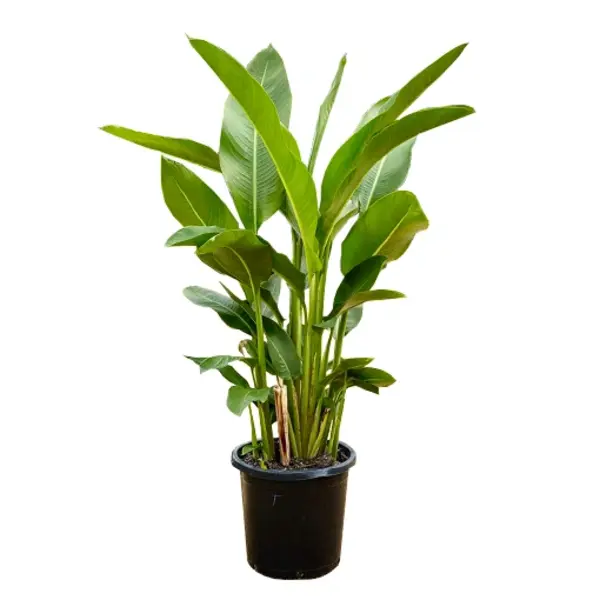 Heliconia regalis Barnum and Bailey
 7. Flowering
- Inflorescence: The 'Barnum and Bailey' is known for its pendulous (hanging) inflorescence, featuring furry, bright orange and yellow bracts.
- Bloom Time: Generally flowers during the warm months, often around July, August, and September in the Northern Hemisphere.
Customer Reviews for Jiffy Plants
F
Is the venus fly trap really in good condition if anyone has bought it.
A
Plant were all had pest holes
R
Plants were healthy and packing was quite good!! Happy with my plants
S
I received all the plants that I ordered in excellent condition. The packaging was perfect and the plants arrived as if I brought them from a nursery personally.
P
Excellent
S
All the plants i recieved were in a very good condition and a recieved them wothin 2 days and the price was also good
C
Received the plants in very good condition, thank you so much.
N
Excellent service and products.
T
This plant came in good condition
S
Had ordered ten plants in coco peat seeding capsules. It was delivered well packed and all the plants were healthy. Foliage.in platform friends were quick and very helpful with my queries. Appreciate the quality of plants and HR
J
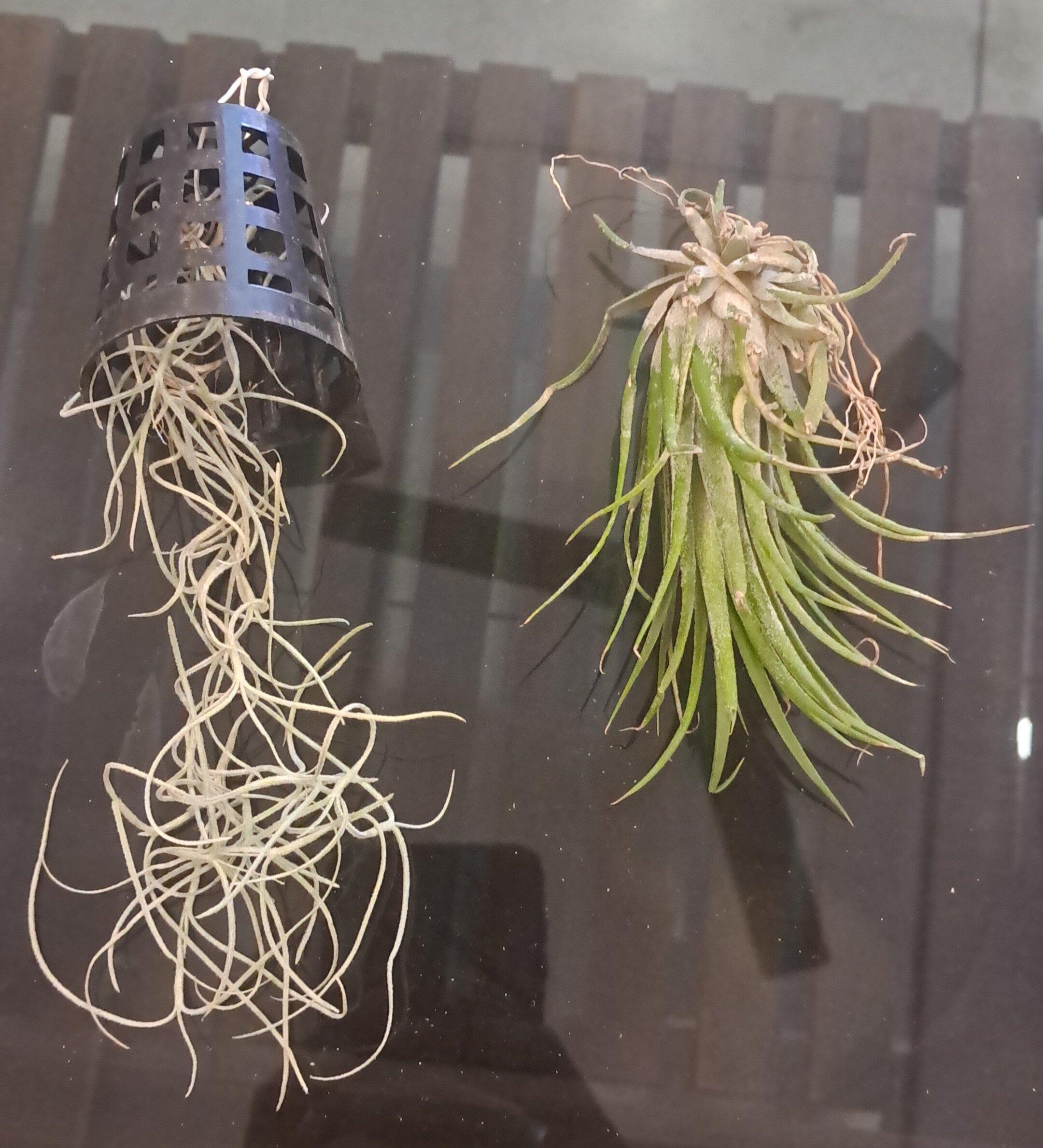
I bought Spanish moss and Tillandsia from Jiffy Plants and both came in good condition with good packing.
R
Plants are very healthy. Good packing too.
T
Excellent service and good product. Plant arrived healthy, well-packaged, and already budding. Very happy with my purchase