

Cart
0


*Images are for reference only
×



Share this product
4.4
★
★
★
★
☆
Based on 13 reviews
We deliver within 7–10 working days.
Vendor: Jiffy Plants
Couldn't load pickup availability
100% Live & Healthy Plant
Secure payment
Healthy Roots Guarantee 🌱
Guarantee safe checkout


Heliconia Yellow Dancer
Rs. 599.00

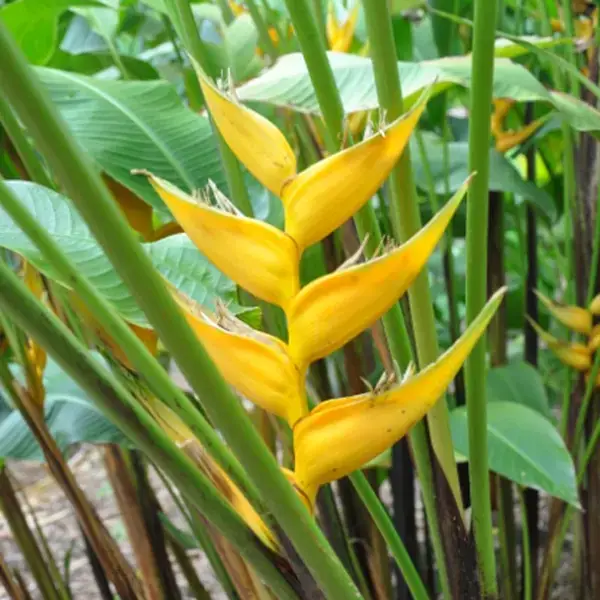 Heliconia Yellow Dancer
 Here is a comprehensive care guide for Heliconia Yellow Dancer :
1. Light Requirements
- Preference: Full sun to partial shade.
- Best Bloom Color: The most prolific flowering and brightest yellow bracts are generally achieved in full sun (at least 6 hours of direct sun).
- Too Much Shade: Will result in leggy growth and fewer or no flowers.
- Hot Climates: In areas with scorching afternoon sun, providing afternoon shade can help prevent the large, banana-like leaves from scorching or browning at the edges.
2. Watering and Humidity
-
Watering: The plant requires consistent, heavy watering. The soil should be kept consistently moist but never soggy or waterlogged.
- Water regularly, especially during warm, dry periods. The plant is not drought-tolerant.
- Ensure the pot or planting area has excellent drainage to prevent root rot.
-
Humidity: 'Yellow Dancer' thrives in high humidity, typical of tropical and subtropical environments.
- In dry climates or indoors: Frequent misting, grouping it with other plants, or using a humidity tray/humidifier will be beneficial to prevent brown leaf tips.
3. Temperature and Hardiness
- Ideal Temperature: Prefers warm conditions, ideally between 20∘C to 35∘C (68∘F to 95∘F).
- Hardiness: It is often noted as one of the more cold-tolerant heliconias, but it is still highly sensitive to frost. It is best suited for USDA Zones 10–13.
- Cold Protection: Protect it from temperatures below 5∘C (40∘F). If growing in a container outside of tropical zones, bring it indoors or into a greenhouse for the winter.
4. Soil and Fertilizing
-
Soil: Use a rich, fertile, well-draining soil that is high in organic matter. A slightly acidic to neutral pH (5.5 to 7.0) is preferred.
- Amend garden soil with plenty of compost or well-rotted manure.
- For containers, use a high-quality, well-draining potting mix.
-
Fertilizer: Heliconias are heavy feeders.
- Apply a balanced slow-release fertilizer (like 14-14-14) at the beginning of the growing season (spring).
- Supplement with a liquid balanced NPK fertilizer (like 10-10-10 or 19-19-19) monthly during the spring and summer to support its rapid growth and flowering.
5. Maintenance and Pruning
-
Pruning Spent Stalks: Heliconias grow on vertical stalks (pseudostems), and each stalk only blooms once.
- Once a stalk has finished flowering (the bracts fade), cut the entire stalk down to the ground to divert energy into new shoots (rhizomes) which will produce future blooms.
- Tidiness: Remove any dead, damaged, or fully yellowed leaves regularly.
- Wind Protection: The large leaves can be easily shredded by strong winds, which doesn't harm the plant but looks messy. Plant in a sheltered location for the best appearance.
6. Growth Habit and Propagation
- Growth: 'Yellow Dancer' is a clumping perennial, meaning it spreads via rhizomes beneath the soil to form a dense clump. It typically reaches a mature height of 2–4 meters (6–13 feet).
-
Propagation: It is easily propagated by dividing the rhizomes in the spring. Dig up a clump and separate a section of the rhizome that has at least one or two "eyes" (growth points).
 Heliconia Yellow Dancer
Customer Reviews for Jiffy Plants
F
Is the venus fly trap really in good condition if anyone has bought it.
A
Plant were all had pest holes
R
Plants were healthy and packing was quite good!! Happy with my plants
S
I received all the plants that I ordered in excellent condition. The packaging was perfect and the plants arrived as if I brought them from a nursery personally.
P
Excellent
S
All the plants i recieved were in a very good condition and a recieved them wothin 2 days and the price was also good
C
Received the plants in very good condition, thank you so much.
N
Excellent service and products.
T
This plant came in good condition
S
Had ordered ten plants in coco peat seeding capsules. It was delivered well packed and all the plants were healthy. Foliage.in platform friends were quick and very helpful with my queries. Appreciate the quality of plants and HR
J
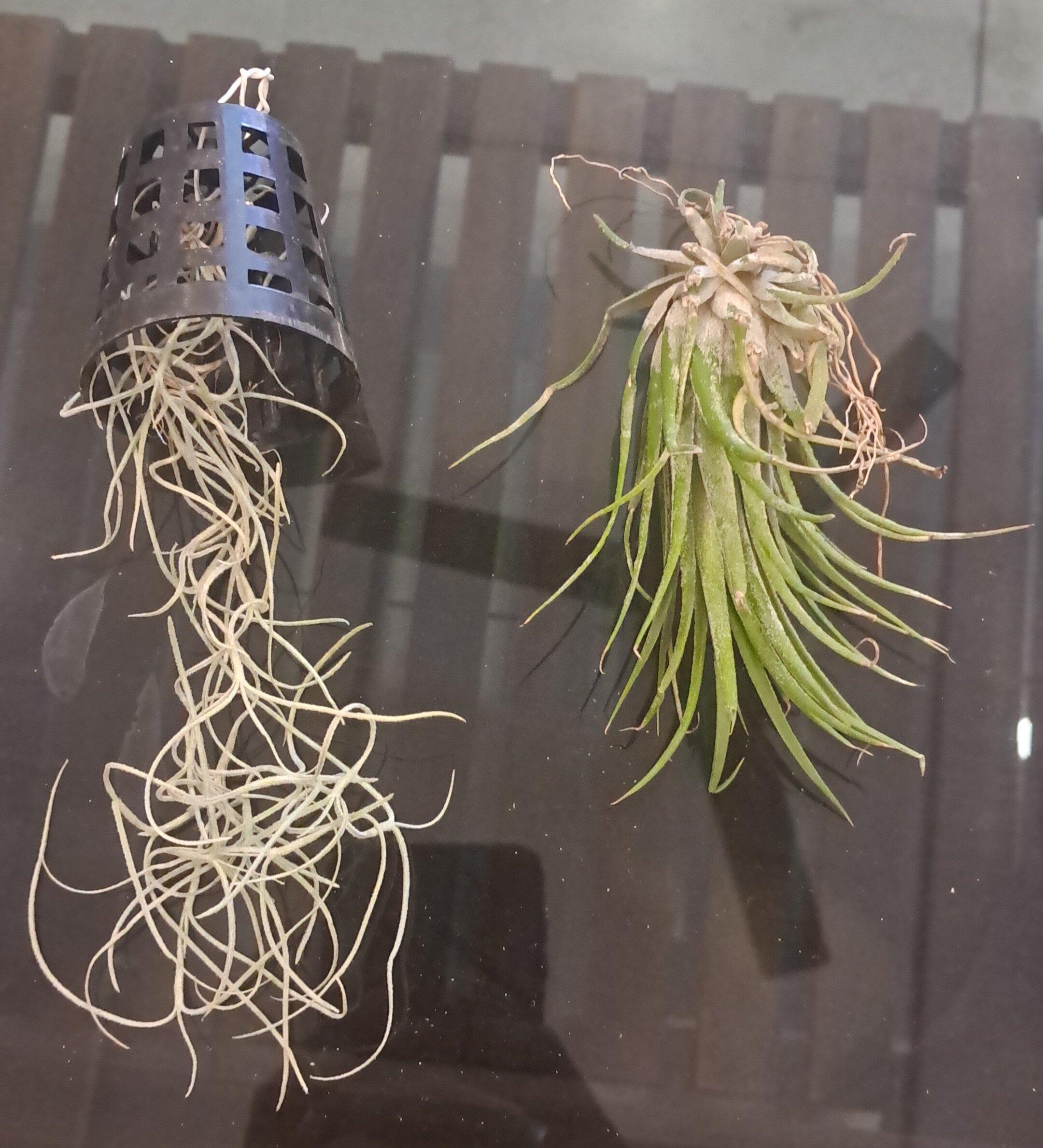
I bought Spanish moss and Tillandsia from Jiffy Plants and both came in good condition with good packing.
R
Plants are very healthy. Good packing too.
T
Excellent service and good product. Plant arrived healthy, well-packaged, and already budding. Very happy with my purchase