

Cart
0


*Images are for reference only
×



Share this product
4.4
★
★
★
★
☆
Based on 13 reviews
We deliver within 7–10 working days.
Vendor: Jiffy Plants
Couldn't load pickup availability
100% Live & Healthy Plant
Secure payment
Healthy Roots Guarantee 🌱
Guarantee safe checkout


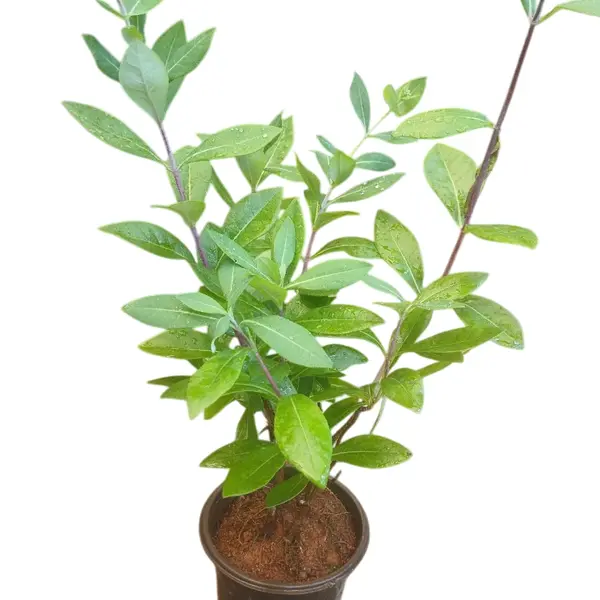
Honeysuckle, Pink Lemonade
Rs. 475.00

Selling Size : Single Plant | Pot Included | Secure Packing
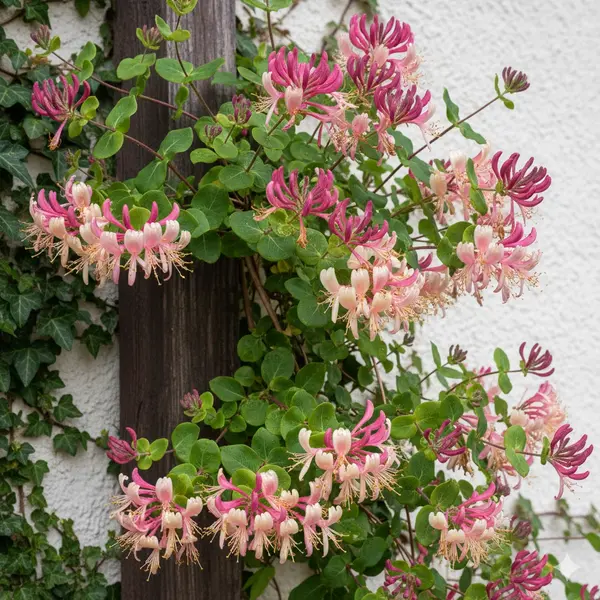
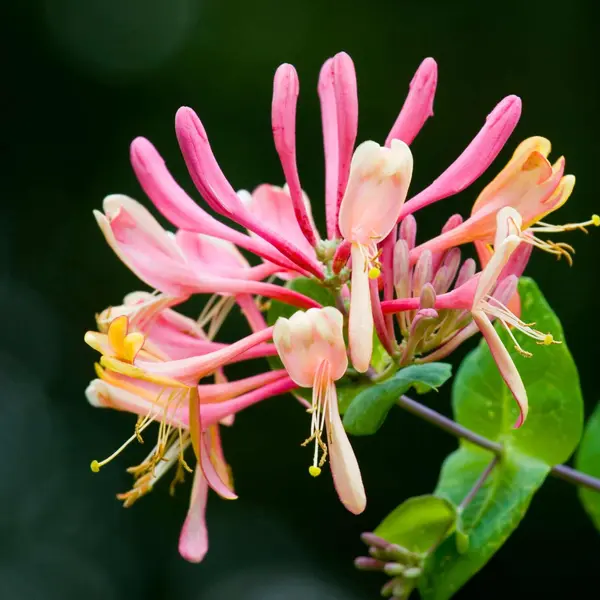
Honeysuckle ‘Pink Lemonade’, known for its fragrant pink-and-yellow tubular flowers and vigorous climbing habit, is one of the most beautiful ornamental vines for home gardens. It attracts butterflies, bees, and hummingbirds, blooms repeatedly through the warm season, and is fairly easy to care for once established. With proper sunlight, pruning, and watering, it becomes a long-lived garden favourite.
 Honeysuckle, Pink Lemonade
 Honeysuckle ‘Pink Lemonade’ – Care Guide :
🌞 Light Requirements
Pink Lemonade Honeysuckle grows best in:
-
Full sun to partial shade
-
At least 5–6 hours of direct sunlight daily
-
Afternoon shade is beneficial in regions with intense summer heat
Full sun encourages maximum flowering and strong growth. Too much shade reduces blooms and causes leggy vines.
💧 Watering
This plant enjoys evenly moist soil, especially when young.
Watering guidelines:
-
Water 2–3 times per week during establishment (first 2–3 months).
-
Once mature, water deeply once a week.
-
Increase watering during hot summers.
-
Reduce watering in winter but do not let the soil dry out completely.
Avoid:
-
Waterlogging, which causes root rot
-
Severe drought, which reduces flowering
Mulching around the base helps retain moisture.
 Honeysuckle, Pink Lemonade
 🪴 Soil
Pink Lemonade Honeysuckle prefers:
-
Loose, fertile, well-drained soil
-
Slightly acidic to neutral pH (6.0–7.0)
Ideal soil mix for pots:
-
40% garden soil
-
30% compost
-
20% coco peat
-
10% perlite
Good drainage is essential because the roots dislike soggy conditions.
🌡️ Temperature & Humidity
-
Thrives in 15–32°C
-
Can tolerate mild cold, but protect from frost
-
Moderate humidity is ideal
In very hot regions, provide shade during peak afternoon hours.
🌱 Fertilizing
Feed lightly but regularly for best flowering.
Best routine:
-
Use a balanced NPK (10-10-10 or 14-14-14) every 4–6 weeks during the growing season (spring through rainy season).
-
For more blooms, switch to a phosphorus-rich fertilizer (like NPK 5-10-5) before flowering flushes.
-
Avoid heavy nitrogen fertilizers—they promote leaves instead of flowers.
🌿 Support & Training
Pink Lemonade Honeysuckle is a climbing vine and needs support.
Provide:
-
Trellis
-
Pergola
-
Fence
-
Balcony railings
-
Archway
Tie young stems gently to guide growth.
✂️ Pruning
Pruning keeps the plant healthy, promotes flowering, and controls its shape.
When to prune:
-
Late winter or early spring before new growth
-
Light pruning can also be done after each blooming cycle
How to prune:
-
Remove dead, dry, or weak stems
-
Trim overly long vines to maintain shape
-
Thin out tangled growth to improve airflow
Avoid heavy pruning during flowering season.
🌸 Flowering
Pink Lemonade Honeysuckle blooms from spring to late monsoon, repeating several times.
For better flowering:
-
Provide full sun
-
Use bloom booster fertilizer
-
Water consistently
-
Avoid pruning during active flowering periods
The sweet fragrance increases in the evening and early morning.
🌿 Propagation
Best methods:
1. Stem Cuttings
-
Take a 10–15 cm semi-hardwood cutting
-
Remove lower leaves
-
Dip in rooting hormone
-
Plant in moist mix (coco peat + perlite)
-
Keep in bright, indirect light
2. Layering
-
Bend a healthy stem to the soil
-
Pin it down and cover with soil
-
Roots will form in 4–6 weeks
 Honeysuckle, Pink Lemonade
 🐛 Common Problems & Solutions
1. Aphids / Mealybugs
-
Symptoms: sticky leaves, curled tips
-
Solution: neem oil 2–3 times weekly
2. Powdery mildew
-
White powdery coating
-
Improve airflow, avoid overhead watering
-
Use organic fungicide
3. Yellow leaves
-
Overwatering or poor drainage
-
Adjust watering, check soil aeration
4. Reduced flowering
-
Not enough sunlight
-
Excess nitrogen
-
Incorrect pruning time
🌼 Summary
Honeysuckle ‘Pink Lemonade’ is a rewarding, fragrant climbing vine perfect for Indian gardens and balconies. With bright sunlight, regular pruning, moderate watering, and proper support, it thrives beautifully and offers long-lasting blooms in shades of pink and lemon-yellow.
Customer Reviews for Jiffy Plants
F
Is the venus fly trap really in good condition if anyone has bought it.
A
Plant were all had pest holes
R
Plants were healthy and packing was quite good!! Happy with my plants
S
I received all the plants that I ordered in excellent condition. The packaging was perfect and the plants arrived as if I brought them from a nursery personally.
P
Excellent
S
All the plants i recieved were in a very good condition and a recieved them wothin 2 days and the price was also good
C
Received the plants in very good condition, thank you so much.
N
Excellent service and products.
T
This plant came in good condition
S
Had ordered ten plants in coco peat seeding capsules. It was delivered well packed and all the plants were healthy. Foliage.in platform friends were quick and very helpful with my queries. Appreciate the quality of plants and HR
J
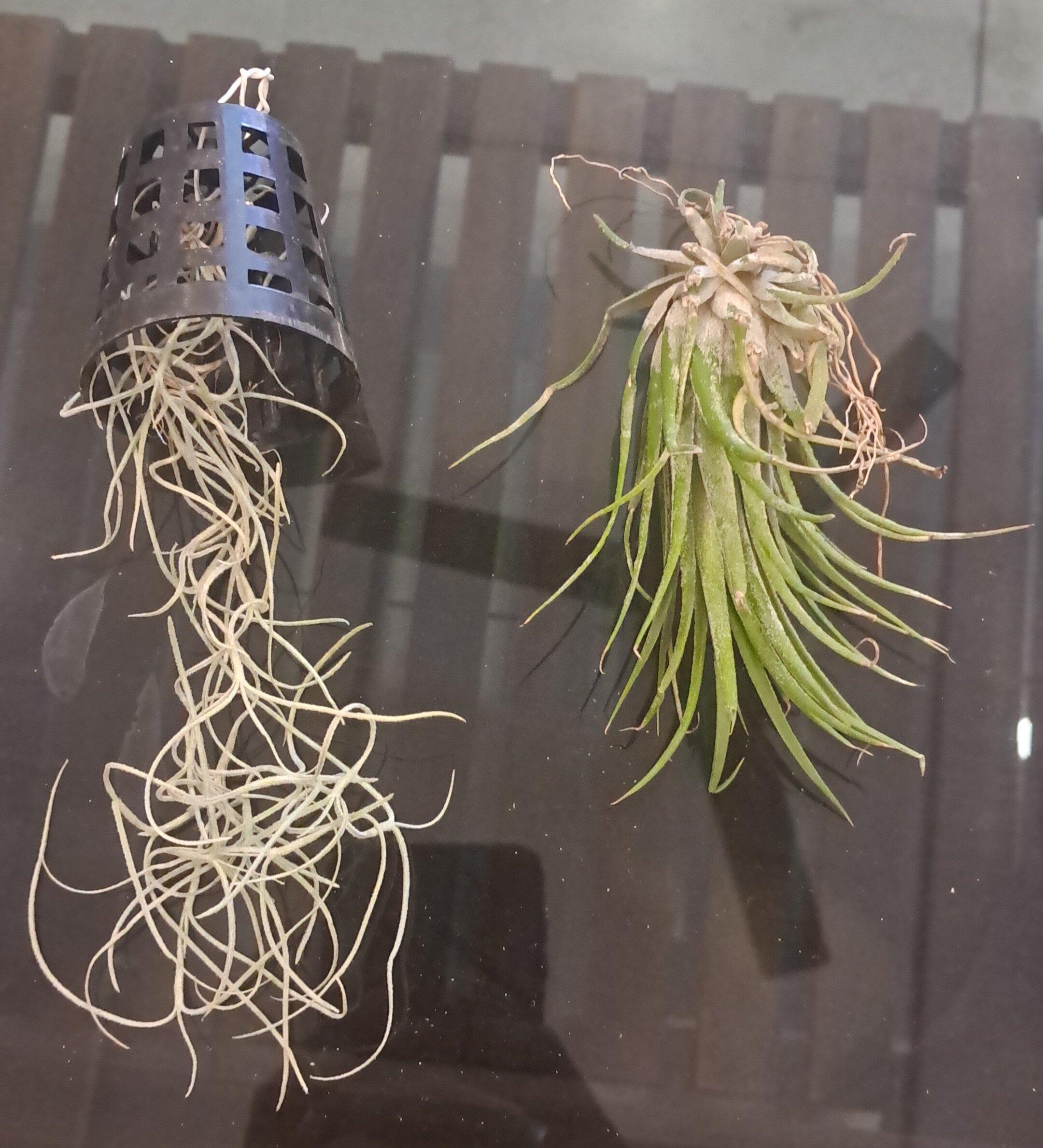
I bought Spanish moss and Tillandsia from Jiffy Plants and both came in good condition with good packing.
R
Plants are very healthy. Good packing too.
T
Excellent service and good product. Plant arrived healthy, well-packaged, and already budding. Very happy with my purchase