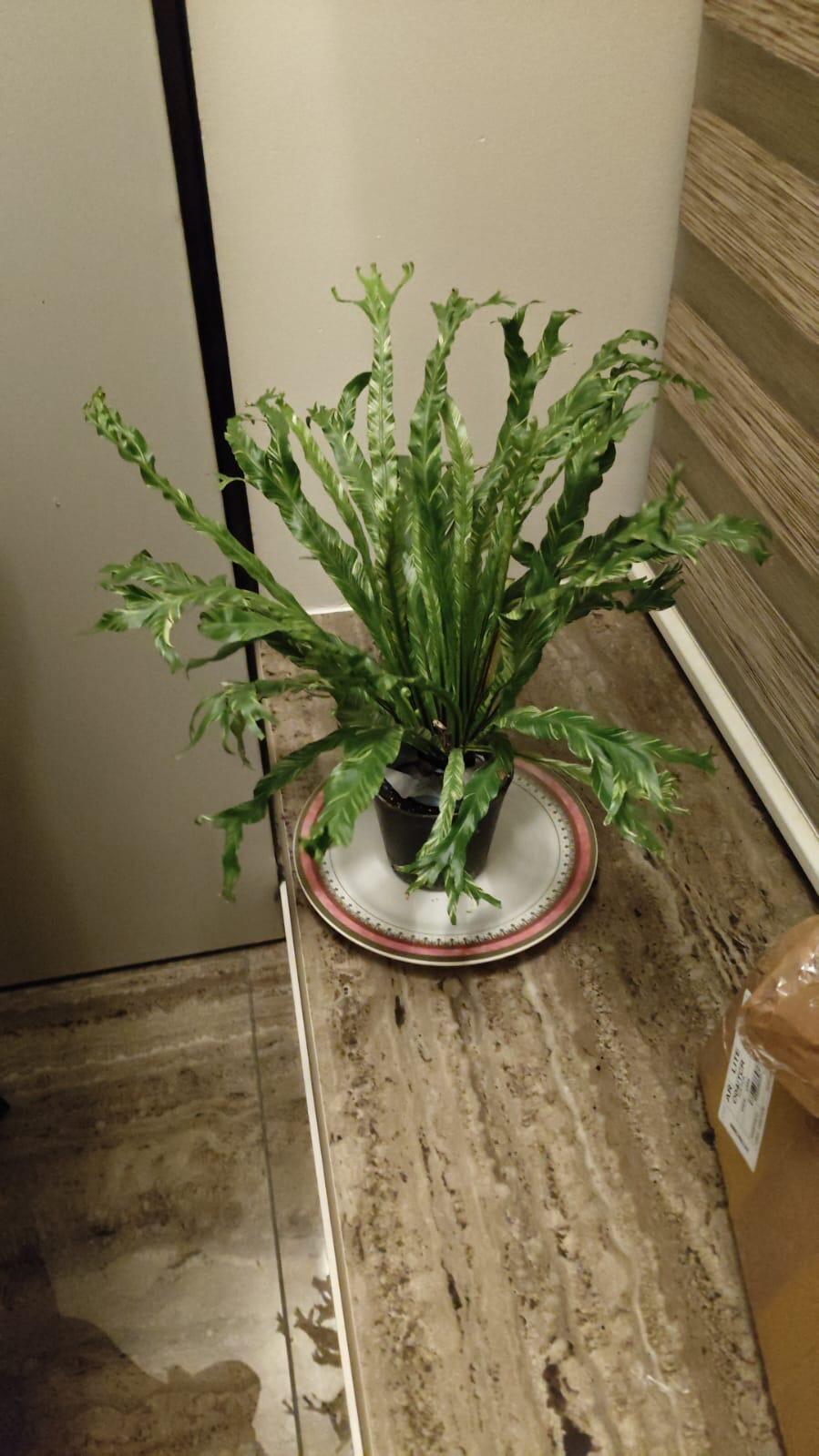
The Hope Selloum, a stunning cultivar of the Thaumatophyllum bipinnatifidum family, captivates with its deeply lobed, glossy green leaves that unfurl to create a lush, tropical canopy. Originating from the humid rainforests of South America, this magnificent plant brings an exotic architectural beauty indoors, transforming any space into a vibrant jungle oasis with its intricate foliage and impressive stature.
🌟 Overview
-
Dramatic Foliage: Features large, deeply dissected leaves that create a stunning visual impact.
-
Air Purifier: Excellent at improving indoor air quality, contributing to a healthier home environment.
-
Adaptable: Thrives in various indoor settings, making it a popular choice for both homes and offices.
-
Statement Plant: Its impressive size and unique leaf structure make it a focal point in any room.
☀️ Light Requirements
-
Bright Indirect Light: Prefers bright, indirect sunlight to maintain vibrant foliage and robust growth.
-
Avoid Direct Sun: Direct, harsh sunlight can scorch its leaves, leading to yellowing or brown spots.
-
Low Light Tolerance: Can tolerate lower light conditions, but growth may be slower and less dense.
💧 Water Requirements
-
Consistent Moisture: Keep the soil consistently moist but never waterlogged.
-
Allow Topsoil to Dry: Water thoroughly when the top 2-3 inches of soil feel dry to the touch.
-
Drainage is Key: Ensure pots have good drainage to prevent root rot.
-
Humidity: Appreciates high humidity; consider misting or a pebble tray, especially in dry environments.
📏 Size & Growth
-
Mature Size: Can grow quite large indoors, reaching heights of 4-6 feet with a similar spread.
-
Growth Rate: A fast-growing plant under optimal conditions, quickly filling out its space.
-
Potting: Best in large pots that allow for its extensive root system and provide stability.
🌍 Origin & Characteristics
-
Native Habitat: Hails from the tropical rainforests of South America, particularly Brazil.
-
Distinctive Leaves: Known for its deeply lobed, finger-like leaves that mature into complex, split patterns.
-
Tree-like Stems: Develops a thick, woody stem over time, giving it a tree-like appearance.
-
Aerial Roots: Produces aerial roots that can seek out moisture and support.
📇 Toxicity & Safety Warning
-
Mildly Toxic: Contains calcium oxalate crystals, which can cause irritation if ingested.
-
Keep Away from Pets & Children: It is advisable to keep this plant out of reach of curious pets and small children.
-
Symptoms: Ingestion may cause oral irritation, burning sensation, swelling of the mouth and throat, and digestive upset.
❓ Frequently Asked Questions (FAQs)
Q: Why are my Hope Selloum leaves turning yellow?
A: Yellowing leaves are often a sign of overwatering or underwatering. Check your soil moisture. If it's consistently soggy, reduce watering. If it's bone dry, increase frequency. It can also be due to a lack of nutrients or insufficient light.
Q: How often should I fertilize my Hope Selloum?
A: During the growing season (spring and summer), fertilize every 2-4 weeks with a balanced liquid fertilizer diluted to half strength. Reduce or stop fertilization in fall and winter when growth slows.
Q: Can the Hope Selloum tolerate low light conditions?
A: While it can tolerate lower light, it will not thrive. For robust growth and vibrant, large leaves, provide bright, indirect light. Insufficient light can lead to leggy growth and smaller leaves.