

Cart
0


*Images are for reference only
×



Share this product
4.4
★
★
★
★
☆
Based on 11 reviews
We deliver within 7–10 working days.
Vendor: Jiffy Plants
Couldn't load pickup availability
100% Live & Healthy Plant
Secure payment
Healthy Roots Guarantee 🌱
Guarantee safe checkout


Hoya Densifolia - Yellow Flower
Rs. 99.00

Selling size: Well rooted plant in a jiffy bag
Hoya Densifolia - Yellow Flower is a beautiful and relatively low-maintenance Hoya species, often appreciated for its dense foliage and unique yellow, star-shaped flowers that can have a sweet, gardenia-like, or even citrus-coconut scent.
Here's a comprehensive guide to Hoya Densifolia - Yellow Flowers care:
 Hoya Densifolia - Yellow Flower
 1. Light:
- Bright, indirect light is key. Hoya densifolia thrives in bright conditions but should be protected from direct, harsh sunlight, especially in the afternoon. Direct sun can scorch its leaves.
- An east or west-facing window is often ideal. If you have a south-facing window, use a sheer curtain to filter the light.
- Lack of sufficient light can hinder growth and prevent flowering. If your plant is leggy or not blooming, it likely needs more light.
- It can also do well under artificial grow lights.
2. Watering:
- Allow the soil to dry out between waterings. Hoya densifolia, like many Hoyas, has succulent-like leaves that store water, making it tolerant of short dry periods.
- Water thoroughly when the top layer (or majority) of the substrate feels dry to the touch.
- Avoid overwatering at all costs. This is the most common killer of Hoyas and can lead to root rot. Ensure your pot has excellent drainage.
- Watering frequency will depend on your environment (temperature, humidity, soil mix) and the season. You might water once a week or more often in hot, dry conditions, and less frequently in winter.
3. Soil:
- Well-draining, airy mix is crucial. As an epiphyte in its natural habitat, Hoya densifolia needs a substrate that mimics its growing conditions on trees.
- A chunky mix that allows for good aeration and drainage is best. Consider a blend of:
- Orchid bark
- Perlite
- Coco coir/chunks
- Pumice
- Horticultural charcoal
- A small amount of good quality potting mix or cactus mix can also be included.
- Some growers successfully use only sphagnum moss.
4. Humidity:
- Hoya densifolia appreciates higher humidity. Being native to tropical regions of Java and the Philippines, it thrives in humidity levels of 60-80%.
- While it can adapt to average household humidity (40-60%), providing higher humidity will promote healthier growth and better flowering.
- You can increase humidity by:
- Using a humidifier.
- Placing the plant on a pebble tray with water (ensure the pot is not sitting directly in the water).
- Occasional misting can help, especially in dry environments, but it's not a substitute for consistent ambient humidity.
 Hoya Densifolia - Yellow Flower
 5. Temperature:
- Warm temperatures are preferred. Hoya densifolia does best in temperatures between 18°C to 35°C (65°F to 90°F).
- Avoid temperatures below 15°C (59°F), as it can be sensitive to cold. Protect it from cold drafts.
6. Fertilizing:
- Fertilize during the growing season (spring and summer). Use a balanced liquid fertilizer for indoor plants, diluted to half the recommended strength, every 2-4 weeks.
- A fertilizer with higher phosphorus content can encourage flowering.
- Reduce or stop fertilizing in fall and winter when growth naturally slows down.
7. Potting:
- Hoyas prefer to be slightly pot-bound. They often flower more prolifically when their roots are a bit snug.
- Choose a pot with drainage holes.
- You won't need to repot frequently; typically, every 2 years or when the plant has significantly outgrown its pot.
8. Flowering:
- Hoya densifolia produces clusters of 10-20 small, star-shaped yellow flowers, often with a deep red corona (the inner part).
- Flowers are typically fragrant, especially in the evening, and can last for several days.
- Adequate light, proper watering, and consistent care are essential for encouraging blooms.
- The plant typically flowers after rain or during the warmer growing seasons.
9. Pests:
- Keep an eye out for common Hoya pests like aphids, mealybugs, and spider mites.
- Treat infestations with neem oil or an appropriate insecticidal solution.
10. Toxicity:
- Hoya densifolia is considered toxic upon ingestion. Keep it away from children and pets.
- The milky white sap can cause skin irritation in some individuals, so it's advisable to wear gloves when handling or pruning.
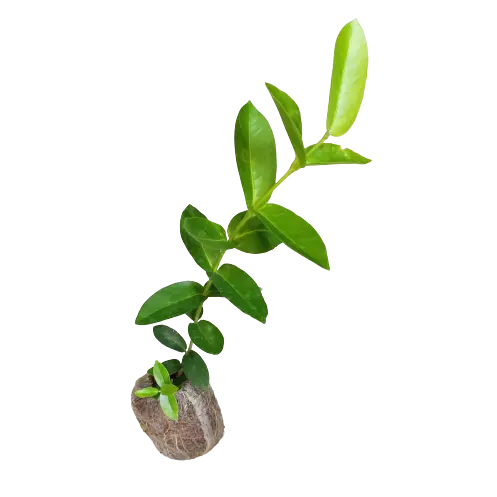 Hoya Densifolia – Yellow Flower
 By following these care tips, your Hoya 'Densifolia' should thrive and reward you with its beautiful yellow blooms!
Customer Reviews for Jiffy Plants
F
Is the venus fly trap really in good condition if anyone has bought it.
A
Plant were all had pest holes
R
Plants were healthy and packing was quite good!! Happy with my plants
S
I received all the plants that I ordered in excellent condition. The packaging was perfect and the plants arrived as if I brought them from a nursery personally.
S
All the plants i recieved were in a very good condition and a recieved them wothin 2 days and the price was also good
C
Received the plants in very good condition, thank you so much.
N
Excellent service and products.
S
Had ordered ten plants in coco peat seeding capsules. It was delivered well packed and all the plants were healthy. Foliage.in platform friends were quick and very helpful with my queries. Appreciate the quality of plants and HR
J
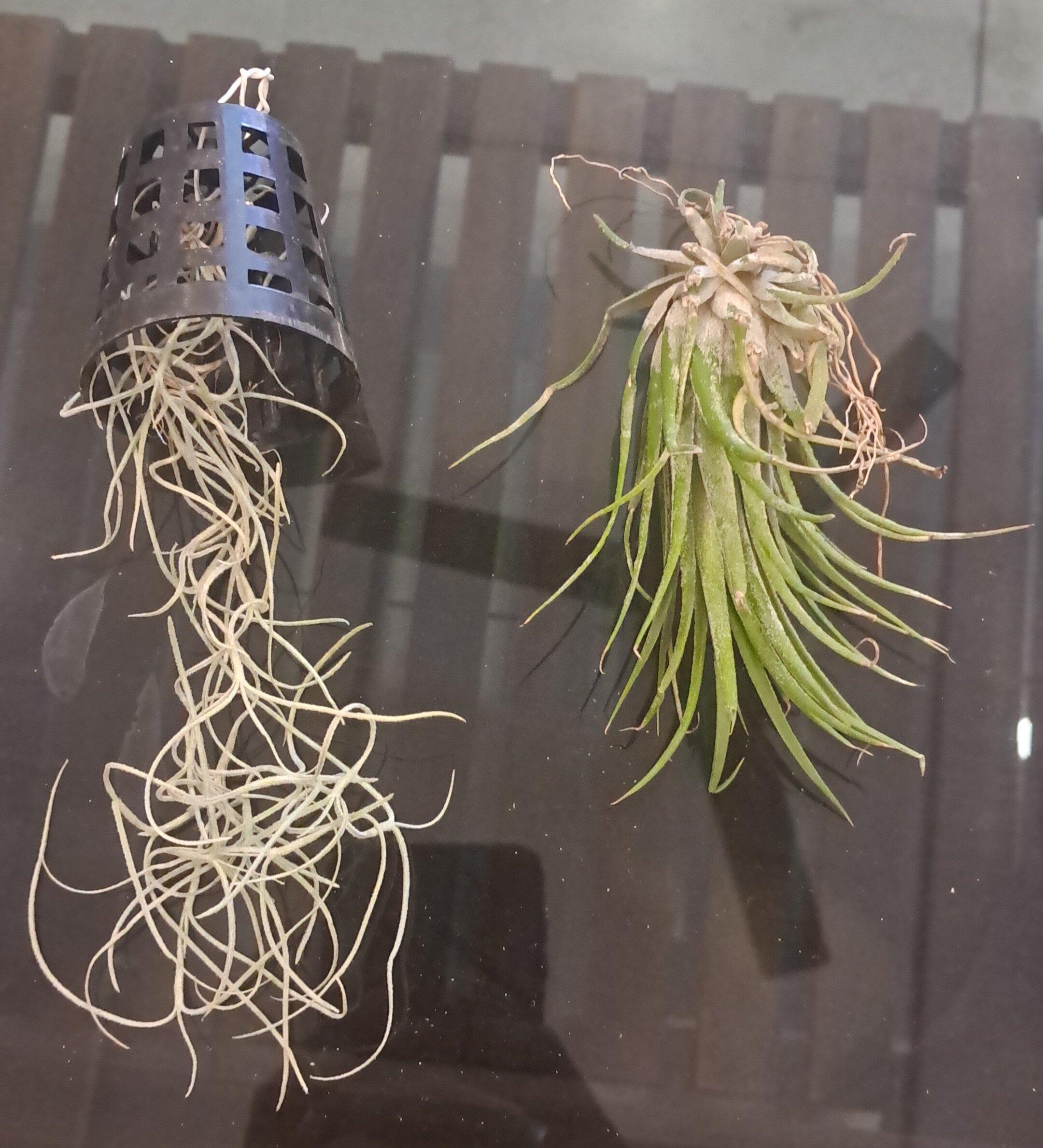
I bought Spanish moss and Tillandsia from Jiffy Plants and both came in good condition with good packing.
R
Plants are very healthy. Good packing too.
T
Excellent service and good product. Plant arrived healthy, well-packaged, and already budding. Very happy with my purchase


