Cart
0








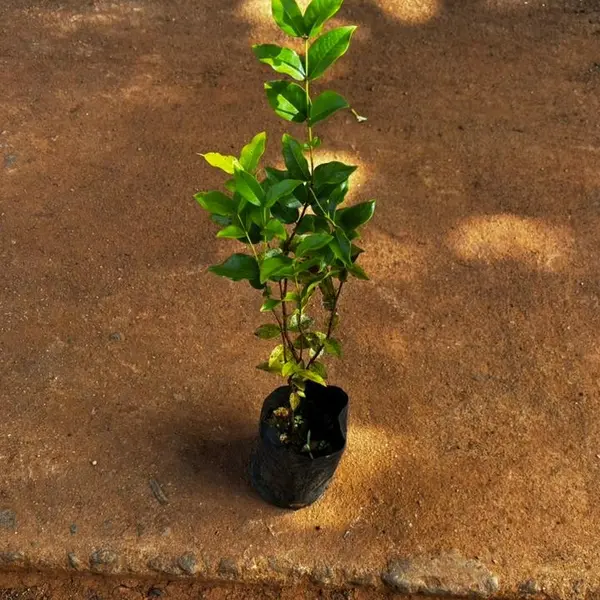
Selling Size : Single Plant | Pot Included | Secure Packing
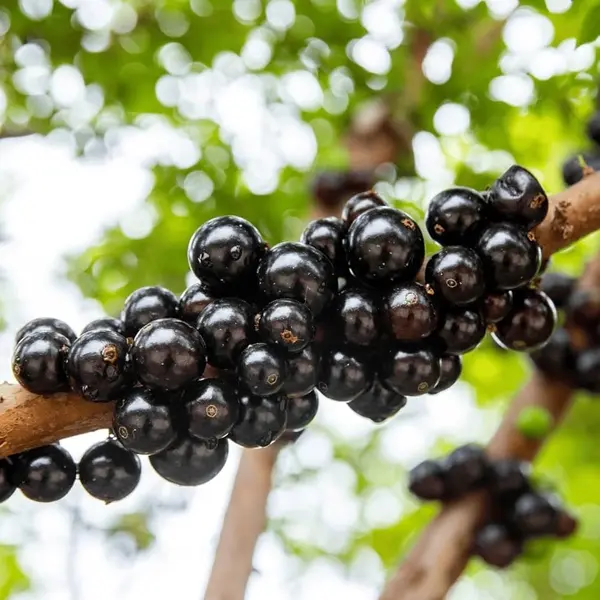
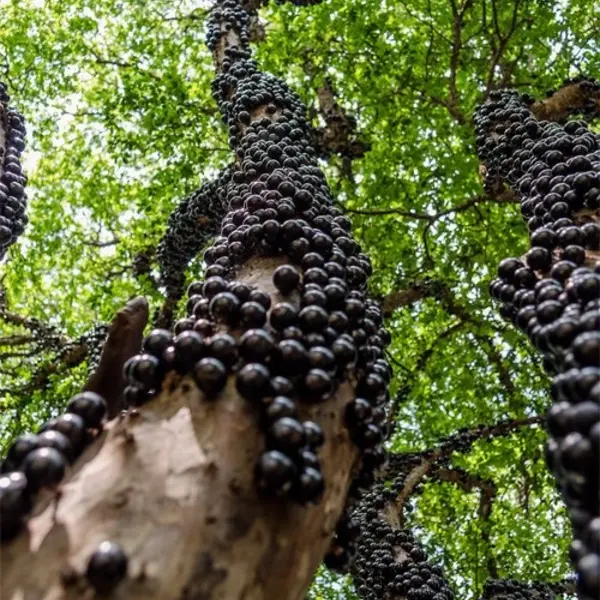
Jabuticaba (Plinia cauliflora), also known as the Brazilian Grape Tree, is a unique and highly ornamental fruit plant famous for producing grape-like fruits directly on its trunk and branches. Native to Brazil, Jabuticaba is loved for its glossy evergreen foliage, smooth bark, and sweet, juicy fruits. With proper care and patience, this slow-growing tree can thrive well in Indian climates, containers, and home gardens.
 Jabuticaba
 Jabuticaba Plant Care Guide :
Light Requirements
Jabuticaba grows best in bright sunlight to partial shade. For healthy growth and fruiting, provide at least 5–6 hours of direct sunlight daily. Young plants appreciate some protection from harsh afternoon sun, especially in very hot regions. When grown indoors or on balconies, place the plant near a bright south- or east-facing location. Insufficient light can result in weak growth and delayed fruiting.
Watering
Consistent moisture is crucial for Jabuticaba. The plant prefers evenly moist soil, especially during active growth and flowering. Water thoroughly whenever the top 2–3 cm of soil feels slightly dry. Do not allow the soil to dry out completely, as drought stress can cause leaf drop and poor fruit development.
However, avoid waterlogging. Ensure excess water drains freely from the pot. During summer, watering may be needed more frequently, while in cooler months, reduce slightly but never let the soil become bone dry.
Soil and Potting
Jabuticaba prefers slightly acidic, rich, and well-draining soil. A good mix includes garden soil, coco peat, compost or well-rotted manure, and perlite or sand. The soil should retain moisture while allowing air circulation around the roots.
For container growing, choose a deep pot with excellent drainage holes. Jabuticaba adapts well to pots and can remain container-grown for many years if repotted every 2–3 years as it grows.
 Jabuticaba
 Temperature and Climate
This plant thrives in warm, humid climates. Ideal temperatures range between 20–32°C. Jabuticaba can tolerate short periods of cooler weather but may suffer damage if temperatures drop below 5–7°C. Protect young plants from cold winds and frost. High humidity supports healthy foliage and flowering.
Fertilization
Jabuticaba is a moderate feeder. Feed the plant every 4–6 weeks during the growing season with an organic fertilizer rich in nitrogen, phosphorus, and potassium. Adding compost, vermicompost, or well-rotted cow manure helps improve soil fertility.
Because Jabuticaba prefers acidic soil, occasional supplementation with iron or micronutrients can prevent yellowing leaves (chlorosis), especially in alkaline soils.
Pruning and Maintenance
Pruning requirements are minimal. Remove dead, weak, or crossing branches to improve airflow and shape the plant. Light pruning after fruiting helps encourage new growth. Avoid heavy pruning, as fruits form directly on mature wood.
Keep the area around the trunk clean, and regularly check for pests such as aphids, scale insects, or mealybugs.
Flowering and Fruiting
Jabuticaba is slow to mature and may take 5–8 years to fruit when grown from seed, though grafted plants may fruit earlier. Adequate sunlight, regular watering, and balanced nutrition are essential for flowering. Once established, the plant may flower and fruit multiple times a year under favorable conditions.
The fruits should be harvested when fully dark purple to black and slightly soft. They are best consumed fresh.
 Jabuticaba
 Common Problems
-
Yellow leaves: Nutrient deficiency or alkaline soil
-
Leaf drop: Irregular watering or drought stress
-
Poor fruiting: Insufficient light or plant immaturity
With patience and proper care, Jabuticaba becomes a stunning ornamental and fruiting tree, rewarding growers with its unusual trunk-borne fruits and lush evergreen beauty.