

Cart
0


*Images are for reference only
×



Share this product
4.4
★
★
★
★
☆
Based on 13 reviews
We deliver within 7–10 working days.
Vendor: Jiffy Plants
Couldn't load pickup availability
100% Live & Healthy Plant
Secure payment
Healthy Roots Guarantee 🌱
Guarantee safe checkout


Mammillaria camptotricha cv. Curvispina
Rs. 475.00

Selling Size : Single Plant | Pot Included | Secure Packing
The Mammillaria camptotricha cv. 'Curvispina', often called the Bird's Nest Cactus, is a relatively easy-to-care-for cactus that forms attractive, dense clumps with its characteristic curly, golden-yellow spines.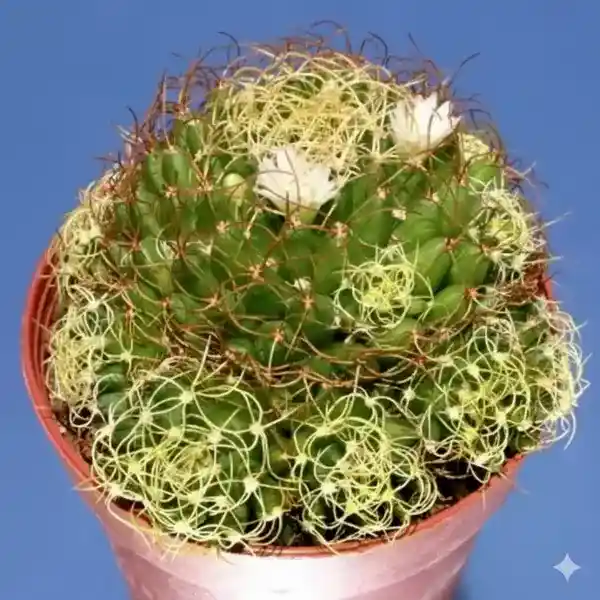 Mammillaria camptotricha cv. Curvispina
 Here is a guide to its care for Mammillaria camptotricha cv. Curvispina :
1. Light
- Bright Light is Best: It prefers bright light and can handle some direct morning sun.
- Protect from Intense Afternoon Sun: In very hot climates, it's best to provide some filtered sunlight or afternoon shade to prevent the plant from getting sunburned or developing a reddish hue.
- Indoors: Place it on a south-facing or very bright east/west-facing windowsill.
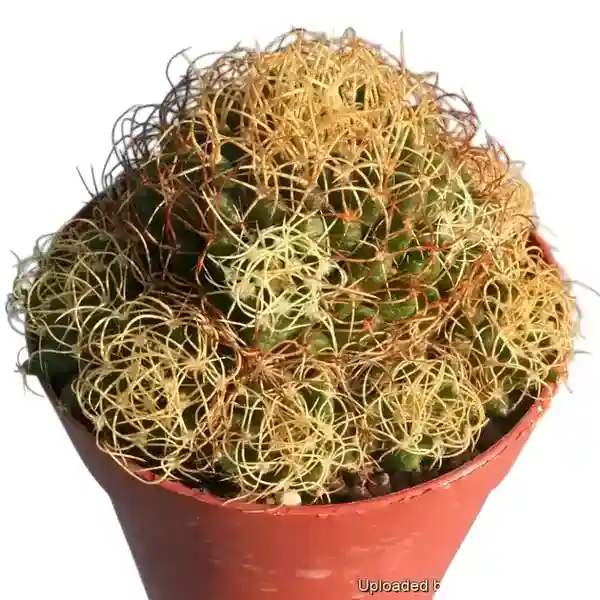 Mammillaria camptotricha cv. Curvispina
 2. Watering
- Water Sparingly: Like most cacti, it is drought-tolerant and very sensitive to overwatering, which can easily cause root rot.
- Growing Season (Spring and Summer): Water thoroughly only when the soil has completely dried out. This may be every 1-2 weeks, depending on your climate and pot size.
- Dormancy (Winter): Reduce or stop watering completely. Keep the soil dry during the coldest months to encourage a necessary rest period and prevent rot.
3. Soil and Potting
- Well-Draining Soil is Crucial: Use a very porous, mineral-based potting mix. A standard cactus/succulent mix can be improved by adding 50-70% mineral grit like perlite, pumice, coarse sand, or horticultural grit. Avoid soil mixes with a lot of peat moss.
- Good Drainage: Always use a pot with a drainage hole.
- Repotting: Repot every 2-3 years, or when the offsets become very crowded, into a pot that is only slightly larger than the root ball.
4. Temperature and Hardiness
- Warm Temperatures: It thrives in warm conditions during the growing season (ideally 70°F - 80°F).
- Winter Rest: During the winter dormancy, it prefers cooler temperatures (ideally 45°F - 55°F) but must be kept dry.
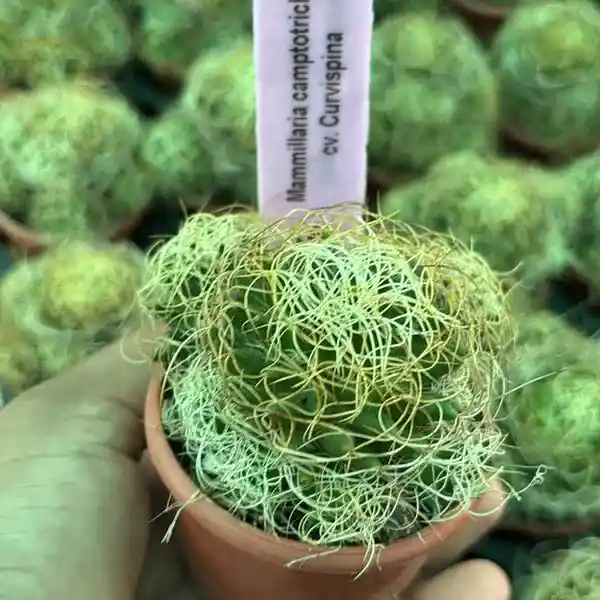 Mammillaria camptotricha cv. Curvispina
 5. Fertilizing
- Feeding: Fertilize sparingly, only during the spring and summer growing season (once a month or every other month).
- Fertilizer Type: Use a high-potassium, low-nitrogen fertilizer diluted to half the recommended strength.
6. Common Issues for Mammillaria camptotricha cv. Curvispina
- Rot: The most common problem, caused by overwatering or poor drainage. If the stem becomes mushy, you need to stop watering immediately and check the roots.
- Pests: Watch out for common pests like mealybugs (especially at the base or roots) and red spider mites. Good ventilation helps prevent pests.
Customer Reviews for Jiffy Plants
F
Is the venus fly trap really in good condition if anyone has bought it.
A
Plant were all had pest holes
R
Plants were healthy and packing was quite good!! Happy with my plants
S
I received all the plants that I ordered in excellent condition. The packaging was perfect and the plants arrived as if I brought them from a nursery personally.
P
Excellent
S
All the plants i recieved were in a very good condition and a recieved them wothin 2 days and the price was also good
C
Received the plants in very good condition, thank you so much.
N
Excellent service and products.
T
This plant came in good condition
S
Had ordered ten plants in coco peat seeding capsules. It was delivered well packed and all the plants were healthy. Foliage.in platform friends were quick and very helpful with my queries. Appreciate the quality of plants and HR
J
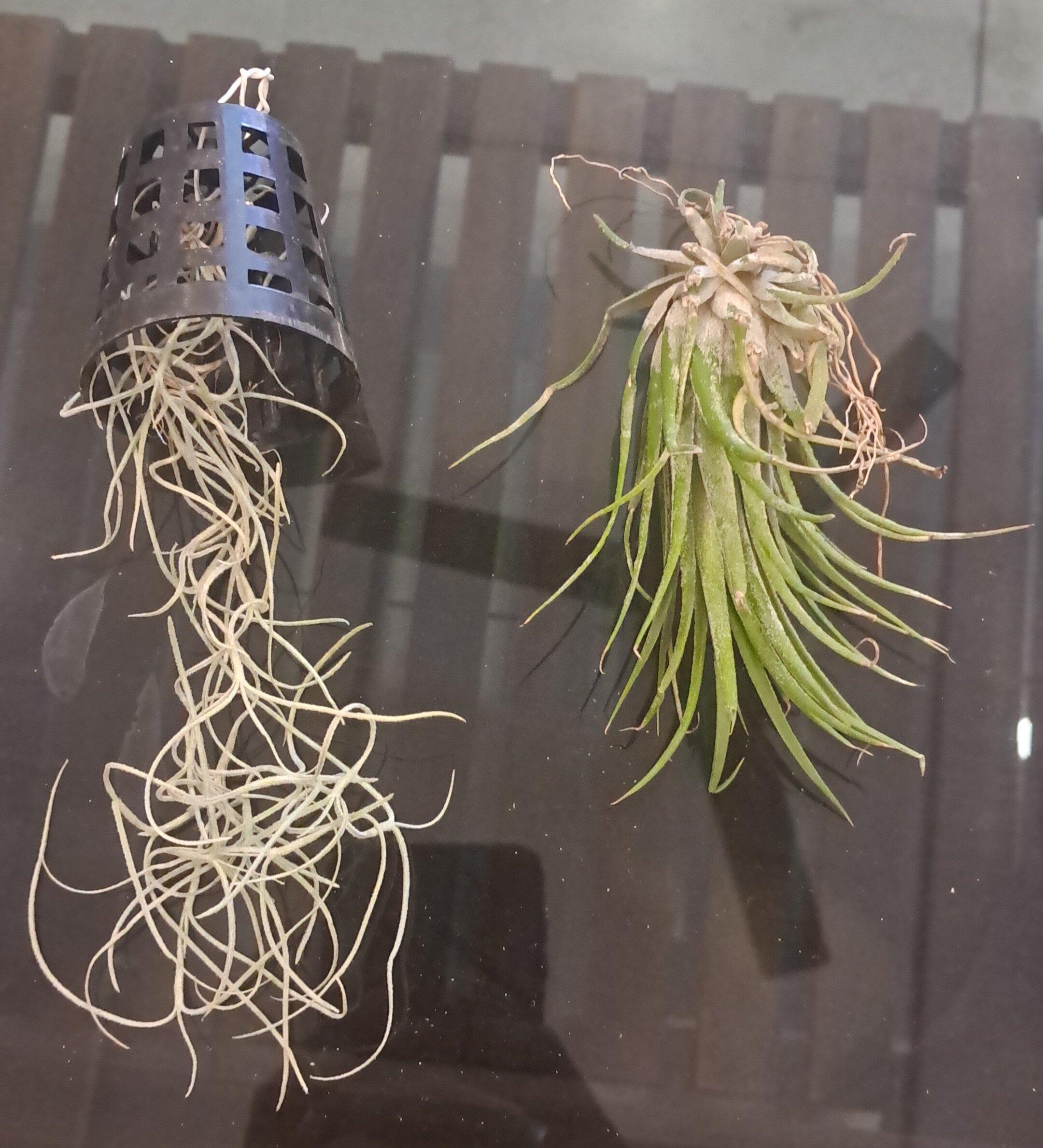
I bought Spanish moss and Tillandsia from Jiffy Plants and both came in good condition with good packing.
R
Plants are very healthy. Good packing too.
T
Excellent service and good product. Plant arrived healthy, well-packaged, and already budding. Very happy with my purchase