

Cart
0


*Images are for reference only
×



Share this product
4.4
★
★
★
★
☆
Based on 13 reviews
We deliver within 7–10 working days.
Vendor: Jiffy Plants
Couldn't load pickup availability
100% Live & Healthy Plant
Secure payment
Healthy Roots Guarantee 🌱
Guarantee safe checkout


Marble Queen Pothos – Money Plant
Rs. 149.00

Selling size : Single plant| 2.5" pot included
The Marble Queen Pothos (Epipremnum aureum ’Marble Queen’), a beautiful variegated cultivar of the common Pothos or Devil's Ivy, is a popular and relatively easy-to-care-for houseplant. Its striking green and white leaves make it a favorite for adding a touch of natural elegance to any indoor space.
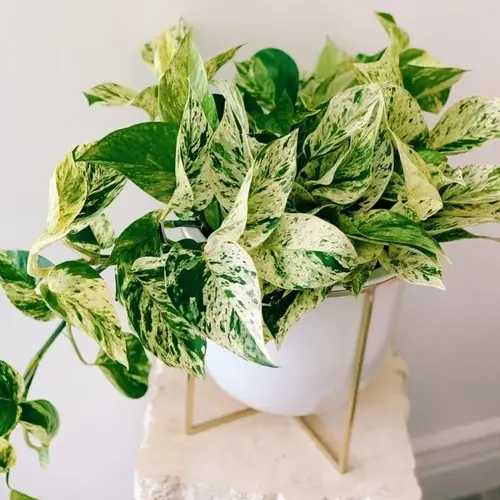 Marble Queen Pothos
 Here's a comprehensive guide to caring for your Marble Queen Pothos:
1. Light:- Bright, Indirect Light is Ideal: Marble Queen Pothos thrives in bright, indirect light. This helps maintain its vibrant white variegation.
- Can Tolerate Medium to Low Light: While it can adapt to lower light conditions, prolonged low light may cause the white areas to revert to green, and growth may slow down.
- Avoid Direct Sunlight: Direct sunlight, especially harsh afternoon sun, can scorch the delicate leaves, causing brown, crispy patches or curling. If your plant is near a sunny window, use sheer curtains to diffuse the light or move it a few feet away.
- Rotate Regularly: Rotate your plant every few weeks to ensure even light distribution and promote balanced growth.
- Allow Soil to Dry Out Between Waterings: Pothos prefer to be on the drier side. Water thoroughly when the top 50% of the soil feels dry to the touch. You can use your finger or a moisture meter to check.
- Err on the Side of Underwatering: It's generally better to underwater than overwater, as overwatering can lead to root rot, which is a common problem for Pothos.
- Signs of Thirst: Drooping leaves are a clear sign that your Marble Queen Pothos needs water. It will usually perk up within a day of watering.
- Signs of Overwatering: Yellowing leaves (especially widespread yellowing), mushy stems, and root rot are indicators of overwatering. Ensure your pot has drainage holes to prevent water from sitting at the bottom.
- Adjust Seasonally: Water less frequently in the fall and winter months when the plant's growth slows down.
- Well-Draining Potting Mix: Marble Queen Pothos thrives in a well-draining potting mix. A standard indoor potting mix is usually sufficient.
- Enhance Drainage: To improve drainage, you can mix in perlite, orchid bark, or horticultural charcoal (around 25% perlite to 75% potting soil is a good ratio). This is especially helpful if you tend to overwater.
- Slightly Acidic pH: They prefer a slightly acidic soil pH.
- Average Room Temperatures: Marble Queen Pothos is well-suited for average household temperatures, ideally between 65-85°F (18-29°C).
- Avoid Cold Drafts: They are not cold-tolerant and should be protected from temperatures below 50°F (10°C).
- Prefers Average to High Humidity: While not strictly required, Marble Queen Pothos appreciates higher humidity. Average household humidity (30-60%) is generally fine, but providing extra humidity can promote more vigorous growth.
-
Increase Humidity: You can increase humidity by:
- Placing the plant in a naturally humid room like a bathroom or kitchen.
- Using a humidifier nearby.
- Placing the pot on a pebble tray filled with water (ensure the pot is not sitting directly in the water).
- Occasional misting can offer a temporary boost.
- Light Feeder: Marble Queen Pothos is not a heavy feeder.
- During Growing Season: Fertilize once a month during the spring and summer growing seasons with a balanced liquid houseplant fertilizer at half strength.
- Reduce or Stop in Winter: Reduce or stop fertilizing during the fall and winter months when the plant is dormant.
 Marble Queen Pothos 6. Pruning:
 - Maintain Shape and Bushiness: Prune your Marble Queen Pothos regularly to maintain its desired shape and encourage bushier growth.
- Trim Leggy Stems: Cut back any leggy or sparse vines to promote new growth closer to the base of the plant.
- Propagate Cuttings: The trimmed stems can be used for propagation (see below).
- Clean Pruners: Always use clean, sharp pruning shears or scissors to avoid introducing diseases.
- When to Repot: Repot your Marble Queen Pothos when it becomes root-bound, meaning roots are growing out of the drainage holes or circling the top of the soil, or if the soil dries out very quickly. This typically happens every 1-2 years.
- Choose a Slightly Larger Pot: Select a pot that is only about 2 inches larger in diameter than the current one. Pothos prefer to be slightly root-bound.
- Ensure Drainage: Always use a pot with drainage holes.
- Repotting Process: Water the plant thoroughly the day before repotting. Gently remove the plant from its old pot, loosen the roots, place it in the new pot with fresh, well-draining soil, and water thoroughly again.
- Easy to Propagate: Marble Queen Pothos is very easy to propagate from stem cuttings, either in water or soil.
-
Water Propagation:
- Take stem cuttings with at least 3-4 nodes (the bumps where leaves and roots grow).
- Remove the bottom leaves so no leaves are submerged in water.
- Place the cuttings in a glass of fresh, room-temperature water, ensuring the nodes are submerged.
- Change the water weekly to keep it fresh.
- Roots should appear within a few weeks. Once the roots are 1-2 inches long, you can transfer the cuttings to soil.
-
Soil Propagation:
- Take stem cuttings with at least 1-2 nodes.
- Plant the cuttings directly into moist, well-draining potting soil, burying the nodes about 1-2 inches deep.
- Keep the soil consistently moist but not soggy.
- Place in a spot with bright, indirect light.
- Roots should form within a few weeks. You can gently tug on the cutting to check for resistance.
 Marble Queen Pothos 9. Common Problems:
 - Yellowing Leaves: Often a sign of overwatering or sometimes underwatering. Check soil moisture.
- Browning/Crispy Leaves: Usually indicates underwatering, low humidity, or too much direct sunlight.
- Leggy Growth/Loss of Variegation: Insufficient light can cause the plant to stretch and the white variegation to fade. Move to a brighter spot.
- Root Rot: Caused by overwatering and poor drainage. Signs include mushy stems and roots. Repot into fresh, well-draining soil and reduce watering.
- Pests: Relatively pest-resistant, but keep an eye out for common houseplant pests like mealybugs, spider mites, and scale insects. Treat with insecticidal soap or neem oil if necessary.

Customer Reviews for Jiffy Plants
F
Is the venus fly trap really in good condition if anyone has bought it.
A
Plant were all had pest holes
R
Plants were healthy and packing was quite good!! Happy with my plants
S
I received all the plants that I ordered in excellent condition. The packaging was perfect and the plants arrived as if I brought them from a nursery personally.
P
Excellent
S
All the plants i recieved were in a very good condition and a recieved them wothin 2 days and the price was also good
C
Received the plants in very good condition, thank you so much.
N
Excellent service and products.
T
This plant came in good condition
S
Had ordered ten plants in coco peat seeding capsules. It was delivered well packed and all the plants were healthy. Foliage.in platform friends were quick and very helpful with my queries. Appreciate the quality of plants and HR
J
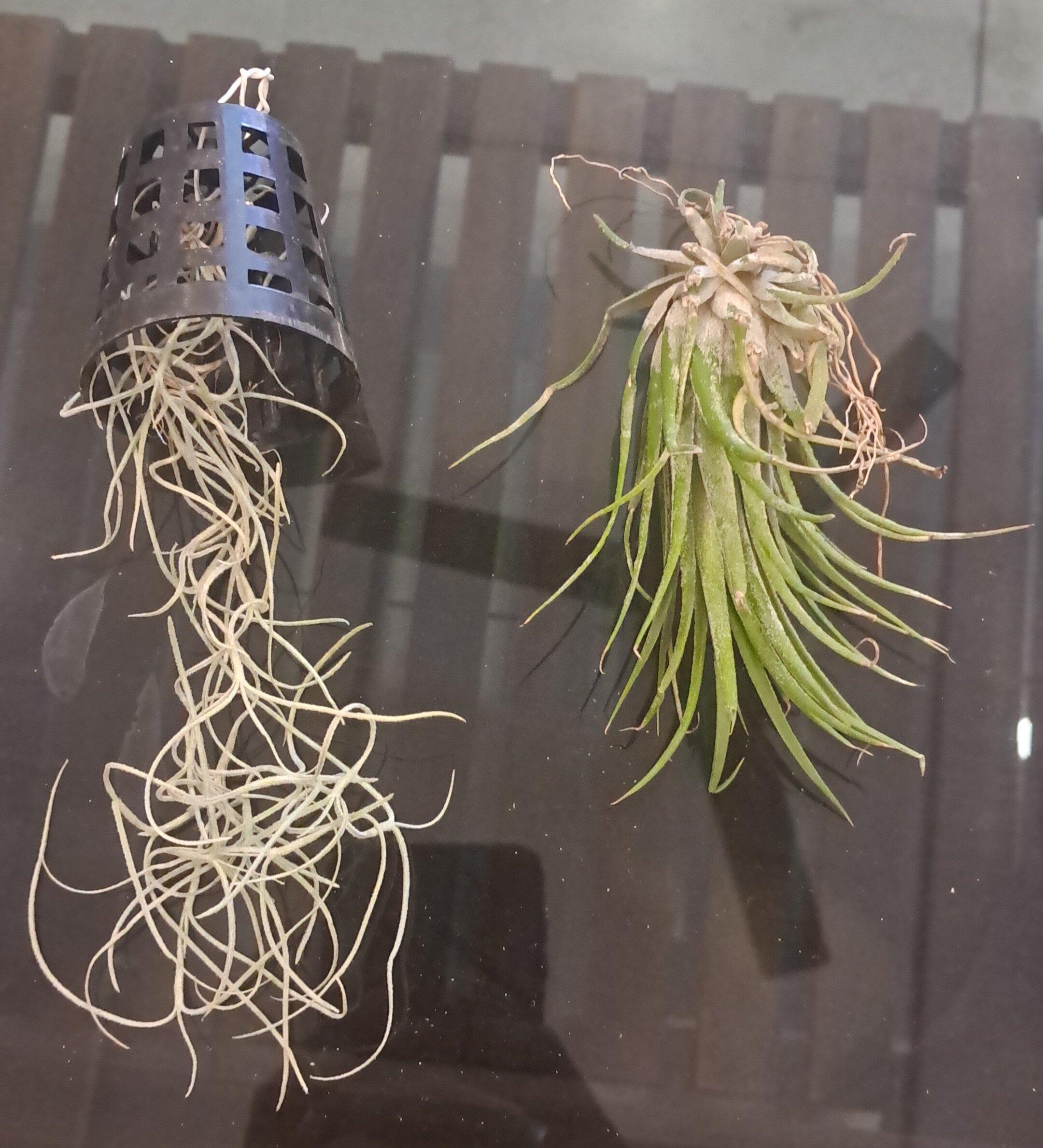
I bought Spanish moss and Tillandsia from Jiffy Plants and both came in good condition with good packing.
R
Plants are very healthy. Good packing too.
T
Excellent service and good product. Plant arrived healthy, well-packaged, and already budding. Very happy with my purchase