

Cart
0


*Images are for reference only
×



Share this product
4.4
★
★
★
★
☆
Based on 13 reviews
We deliver within 7–10 working days.
Vendor: Jiffy Plants
Couldn't load pickup availability
100% Live & Healthy Plant
Secure payment
Healthy Roots Guarantee 🌱
Guarantee safe checkout


Mexican States, Mammillaria Vetula
Rs. 475.00

Selling Size : Single Plant | Pot Included | Secure Packing
The information you've requested covers two main areas: the native Mexican states for Mammillaria vetula (Thimble Cactus) and its care requirements.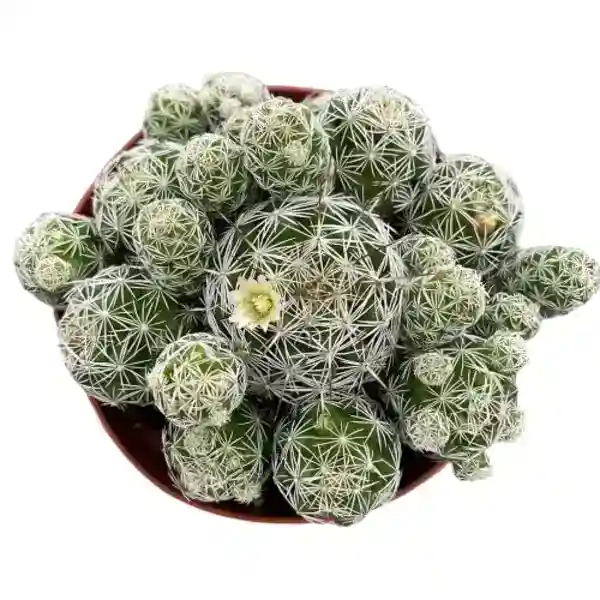 Mexican States, Mammillaria Vetula
 Mexican States for Mammillaria Vetula
Mammillaria vetula is native to the dry shrublands and rocky slopes of the following Mexican states:- Hidalgo
- Guanajuato
- Querétaro
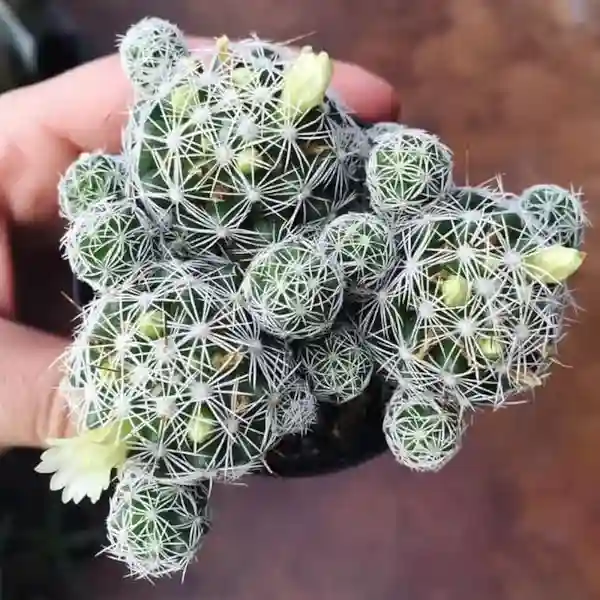 Mexican States, Mammillaria Vetula
 Mammillaria Vetula Care Guide :
Mammillaria vetula is generally considered an easy-to-maintain cactus, thriving in conditions that mimic its arid, rocky natural habitat.| Care Aspect | Recommendation |
| Light | Full sun to bright, direct light (at least 6-8 hours a day). In extremely hot climates, some afternoon shade can be beneficial to prevent scorching. |
| Soil | Requires a well-draining soil mix to prevent root rot. A specialized cactus or succulent mix, often amended with extra grit, perlite, or pumice, is ideal. |
| Watering | Water sparingly and deeply during the active growing season (spring and summer). Allow the soil to dry out completely between waterings. |
| Winter Rest | During the dormant season (fall and winter), significantly reduce or stop watering altogether, especially if kept in a cool location (around 45∘F to 55∘F). A cool, dry rest helps encourage flowering in the spring. |
| Temperature | Prefers warm temperatures (between 60∘F and 80∘F is often cited). It is quite hardy but should be protected from frost and freezing temperatures (though it can tolerate light frost down to around 20∘F / −4∘C for short periods). |
| Fertilizer | Fertilize with a low-nitrogen cactus fertilizer (like a 5-10-10) sparingly, about once a month, during the active growing season. |
| Propagation | Easily propagated by separating the offsets (or "pups") that cluster around the base of the plant. Allow the offsets to dry and callous for a few days before planting in fresh cactus mix. |
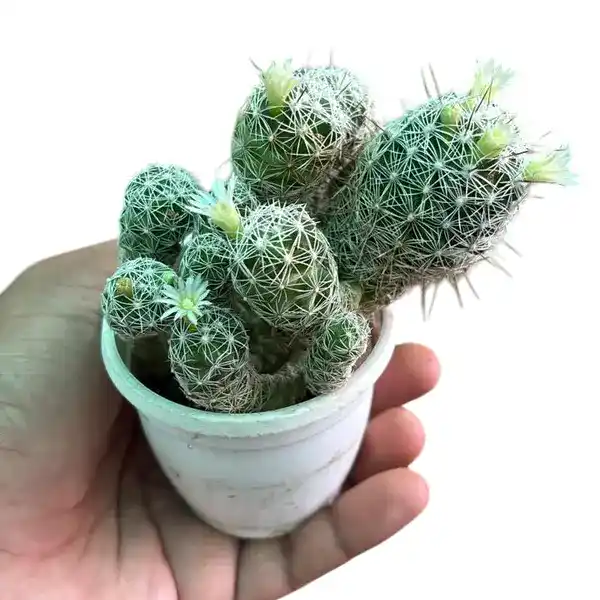 Mexican States, Mammillaria Vetula Key Caution: The most common cause of death for this and many other cacti is overwatering, which leads to root rot. Ensure excellent drainage and err on the side of underwatering.
Customer Reviews for Jiffy Plants
F
Is the venus fly trap really in good condition if anyone has bought it.
A
Plant were all had pest holes
R
Plants were healthy and packing was quite good!! Happy with my plants
S
I received all the plants that I ordered in excellent condition. The packaging was perfect and the plants arrived as if I brought them from a nursery personally.
P
Excellent
S
All the plants i recieved were in a very good condition and a recieved them wothin 2 days and the price was also good
C
Received the plants in very good condition, thank you so much.
N
Excellent service and products.
T
This plant came in good condition
S
Had ordered ten plants in coco peat seeding capsules. It was delivered well packed and all the plants were healthy. Foliage.in platform friends were quick and very helpful with my queries. Appreciate the quality of plants and HR
J
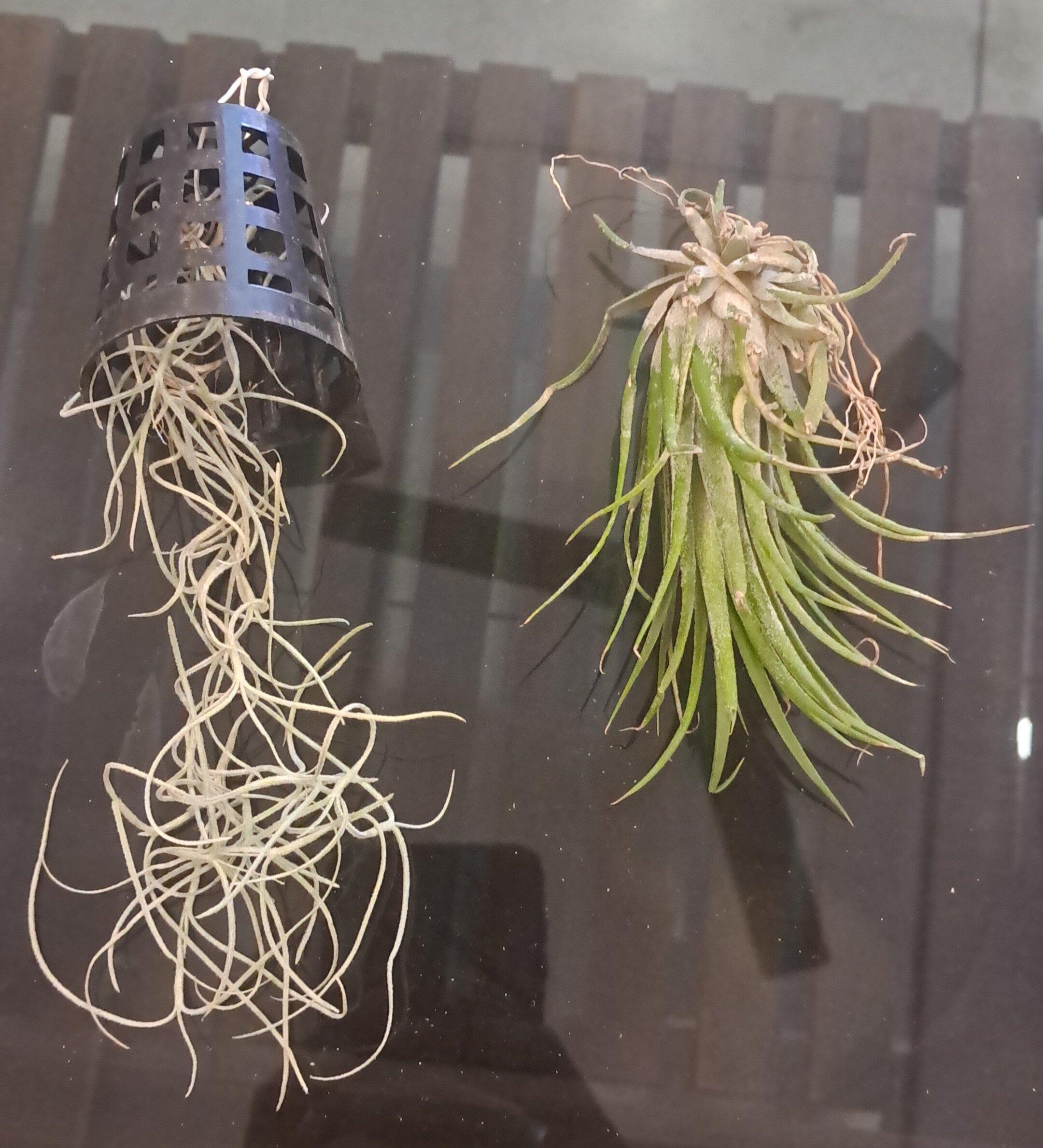
I bought Spanish moss and Tillandsia from Jiffy Plants and both came in good condition with good packing.
R
Plants are very healthy. Good packing too.
T
Excellent service and good product. Plant arrived healthy, well-packaged, and already budding. Very happy with my purchase