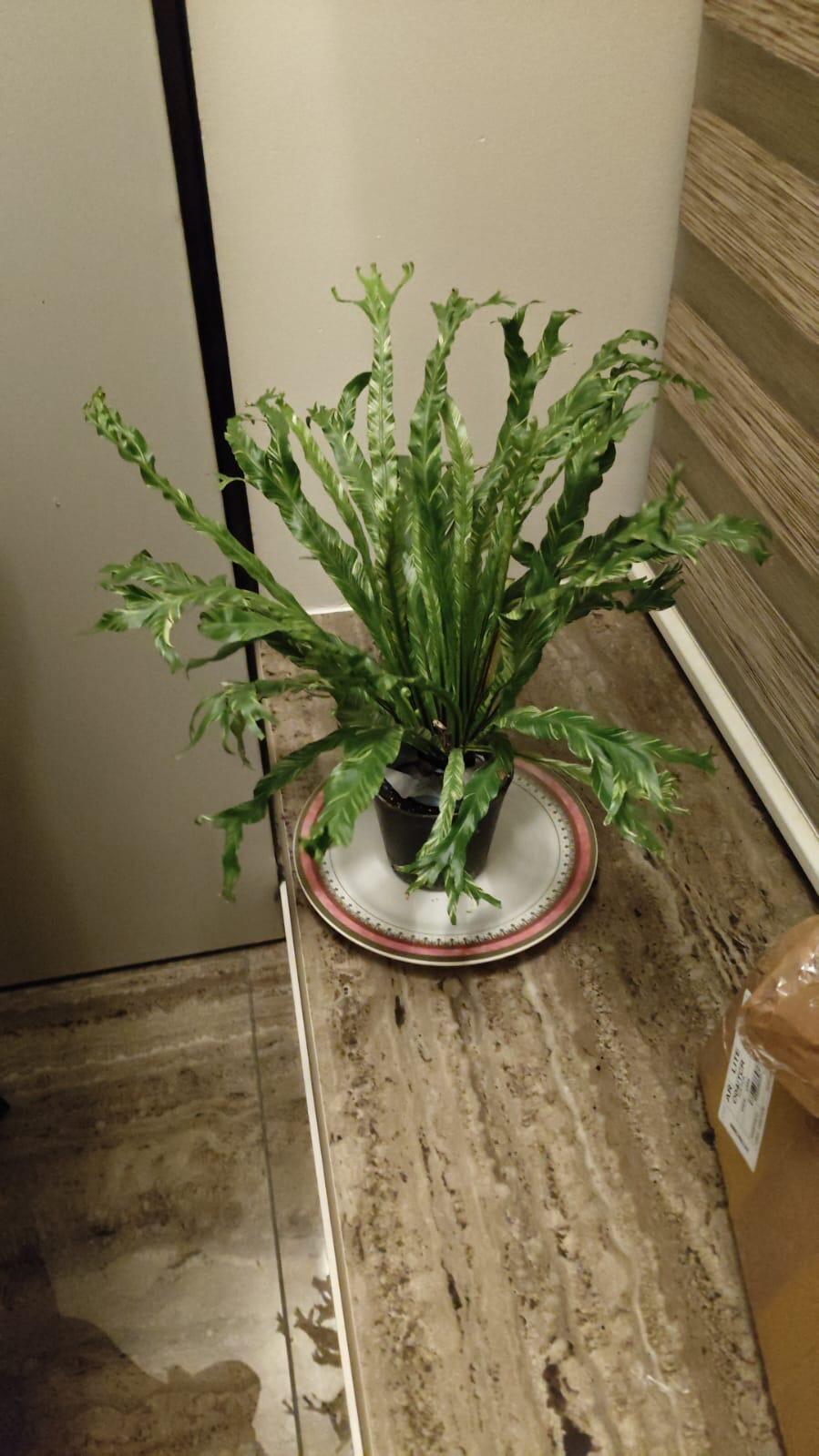
Hailing from the lush, humid rainforests of Central and South America, the Monstera pinnatipartita is a captivating aroid cherished for its dramatic foliage and unique growth habit. This exceptional Monstera species stands out with its deeply lobed, almost 'pinnate' leaves that develop exquisite fenestrations as they mature, creating a striking visual texture. Its vibrant green leaves bring an immediate touch of the exotic tropics, making it a prized addition for any indoor plant enthusiast seeking to elevate their botanical collection and enhance their home's natural beauty.
🌟 Overview
- The Monstera Pinnatipartita is renowned for its distinctive deeply lobed leaves that unfurl to reveal intricate splits and perforations, a hallmark of mature plants.
- It exhibits a vining, epiphytic growth habit, naturally climbing on trees in its native habitat, making it an excellent candidate for support poles indoors.
- This species offers a more compact growth form compared to some larger Monsteras, making it suitable for a wider range of indoor spaces.
☀️ Light Requirements
- Thrives in bright, indirect light. Place near an east or west-facing window, or a few feet from a south-facing window.
- Avoid direct, harsh sunlight, which can scorch its delicate leaves.
- Can tolerate medium light conditions, but growth may be slower and fenestrations less pronounced.
💧 Water Requirements
- Water thoroughly when the top 2-3 inches of soil feel dry to the touch.
- Allow excess water to drain completely from the pot.
- Avoid overwatering, as this can lead to root rot. Reduce watering frequency in cooler months.
- Prefers high humidity; consider misting regularly or using a pebble tray.
📏 Size & Growth
- As a vining plant, it can grow several feet long indoors with proper support (e.g., a moss pole or trellis).
- Leaves can reach impressive sizes, with the characteristic pinnate splits developing as the plant matures.
- Growth rate is moderate to fast under optimal conditions.
🌍 Origin & Characteristics
- Native to the tropical regions of Central and South America, particularly countries like Costa Rica and Peru.
- Belongs to the Araceae family, known for its diverse range of unique foliage plants.
- The name "pinnatipartita" refers to its deeply divided, feather-like (pinnate) leaves, which become more pronounced with age.
📇 Toxicity & Safety Warning
-
Mildly Toxic: Monstera Pinnatipartita contains calcium oxalate crystals, which can cause irritation to the mouth, throat, and digestive tract if ingested.
- Keep out of reach of pets and small children.
- Handle with care and wash hands after contact, especially if you have sensitive skin.
❓ Frequently Asked Questions
Q: How can I encourage my Monstera Pinnatipartita to develop fenestrations?
A: Providing bright, indirect light, consistent humidity, adequate support for climbing, and allowing the plant to reach maturity are key factors in promoting those beautiful splits.
Q: My Monstera leaves are turning yellow. What's wrong?
A: Yellowing leaves often indicate overwatering or underwatering. Check the soil moisture and adjust your watering schedule. It can also be a sign of nutrient deficiency or insufficient light.
Q: What kind of soil is best for Monstera Pinnatipartita?
A: A well-draining, aerated potting mix is ideal. A mix containing perlite, orchid bark, and peat moss or coco coir will provide the drainage and moisture retention this tropical plant loves.